 Bellingham
 Why Edgemoor Roofs Take a Different Kind of Beating
Edgemoor sits close enough to Bellingham Bay that salt-laden air is a constant companion to every roof in the neighborhood, not just an occasional nuisance. Combine that with Whatcom County's driving winter rain and a moss season that can stretch from October through May, and you have a roofing environment that punishes shortcuts. A repair that would hold up fine in a drier inland climate can fail here in a single wet winter if it isn't done with this specific exposure in mind.
Storm damage in Edgemoor rarely shows up as a single dramatic event. More often it's a windstorm off the water that lifts a few shingles, followed by weeks of rain finding that opening before anyone notices a stain on a ceiling. By the time water is visible indoors, the damage has usually been building for longer than the storm itself lasted. That's the core challenge with storm repair here: catching and correctly fixing the entry point before secondary damage compounds.
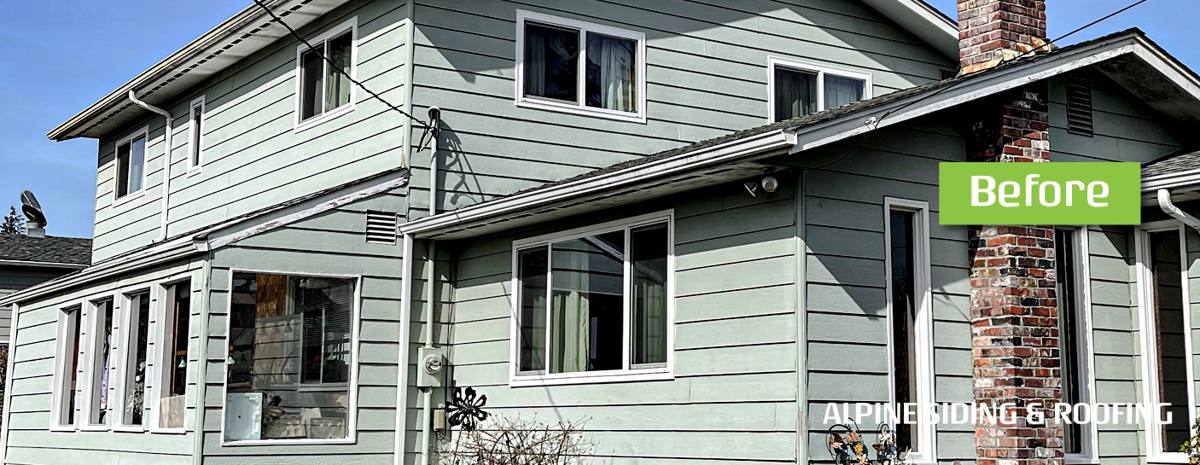
What Storm Damage Actually Looks Like on a Bellingham Roof
Homeowners often expect storm damage to be obvious — a missing section of roof, a tree branch through the decking. Sometimes it is. More often it's subtler, and subtle damage is exactly what gets missed by a quick look from the ground.
Wind Damage
Coastal wind gusts don't need to remove shingles outright to cause a problem. Repeated flexing loosens the seal strip on asphalt shingles, and once that bond breaks, wind-driven rain can work its way underneath even if every shingle still looks like it's in place. On steeper Edgemoor rooflines facing the water, this is one of the most common failure modes we find.
Wind-Driven Rain and Flashing Failure
Flashing around chimneys, skylights, and roof-to-wall transitions is designed to shed water moving in one direction — straight down. Storms here frequently push rain sideways and even upward under eaves, which exposes weaknesses in flashing that would never show up in ordinary weather. A flashing seam that's been fine for years can suddenly leak during one hard blow off the bay.
Moss and Trapped Moisture
Moss doesn't cause storm damage directly, but it sets the stage for it. A moss mat holds moisture against the shingle surface long after a storm has passed, softening the granule layer and shortening the life of the roofing material underneath. When wind then lifts a moss-weakened shingle, the shingle itself is often too degraded to reseal properly even after the storm clears.
Debris Impact
Edgemoor's tree cover is part of what makes the neighborhood attractive, but mature trees also mean branch and limb debris during high wind events. Impact damage can crack shingles, puncture underlayment, or dent metal roofing without leaving an opening large enough to spot from the driveway.
Why a "Quick Patch" Often Costs More Later
After a storm, it's tempting to have someone slap a tarp or a bead of sealant over the obvious problem and call it handled. In this climate, that approach tends to buy a few dry weeks and not much more. Sealant applied over a wet or moss-contaminated surface doesn't bond properly, and it rarely gets inspected again once the immediate leak stops. We've replaced plenty of decking that only rotted because an earlier patch held just well enough to hide a slow leak for a year or two.
A correct storm repair starts with figuring out how water is actually getting in, not just where it's showing up inside the house. Those are frequently two different locations, since water can travel along rafters or sheathing before dripping somewhere visible.
What a Correct Storm Repair Involves
- Identifying the true entry point, which may be several feet from where the interior stain appears
- Removing and inspecting shingles or panels around the damaged area, not just the single piece that looks broken
- Checking the decking underneath for soft spots, delamination, or rot before any new material goes down
- Replacing compromised underlayment, not just the visible roofing surface
- Re-securing or replacing flashing at any nearby penetration, since storm stress often affects more than one component at once
- Matching shingle or panel type, color, and exposure so the repair doesn't stand out or create a mismatched wear pattern later
- Clearing moss and debris from the surrounding area so the repair isn't undermined by the same conditions that contributed to the original damage
Our Process for Edgemoor Storm Repairs
1. Prompt Inspection
After a storm, we prioritize getting eyes on the roof quickly, both from the ground and, when it's safe to do so, up close. Speed matters here — the longer an opening sits exposed to Whatcom County rain, the more the damage spreads past the original point of failure.
2. Honest Documentation
We document what we find with photos and a plain-language explanation of what's damaged, what's at risk, and what isn't affected. You should never be left guessing whether a recommended repair is actually necessary.
3. Temporary Protection When Needed
If more rain is forecast before permanent repairs can be completed, we'll secure the area with appropriate temporary protection so the interior of your home stays dry in the meantime. This is a stopgap, not a substitute for the real fix, and we're clear with you about that distinction.
4. Permanent Repair
Once the scope is confirmed, we complete the repair using materials matched to your existing roof, with attention to the flashing, underlayment, and decking — not just the top layer. We test the repaired area for proper water shedding before we consider the job finished.
5. Insurance Coordination
Storm damage repairs often involve a homeowner's insurance claim. We provide the documentation and scope detail adjusters need, and we're straightforward about what is storm-related damage versus what is pre-existing wear, since conflating the two can complicate a claim rather than help it.
Why Local Experience in Edgemoor Specifically Matters
A crew that mostly works inland jobs may not think twice about salt exposure on fasteners and flashing, or about how much faster moss returns this close to the water. Working Edgemoor roofs regularly means we already know the kinds of failure points that show up again and again in this exact setting — the roof-to-wall transitions that take the brunt of wind-driven rain, the north-facing slopes that stay damp longest and grow moss fastest, and the fastener corrosion patterns that come from years of salt air.
That familiarity shortens the inspection process and reduces the chance of missing a secondary problem. It also means the materials and fastener types we recommend are chosen with this specific coastal exposure in mind, not a generic specification pulled from a manufacturer's manual written for a different climate.
Cost Factors in Storm Damage Repair
Every storm repair is different, but a few factors consistently drive cost up or down. Knowing them ahead of time helps you understand an estimate rather than just react to a number.
| Factor | Lower Cost Scenario | Higher Cost Scenario |
|---|---|---|
| Extent of decking damage | Surface-level shingle or flashing repair only | Rotted or delaminated decking requiring replacement |
| Number of affected areas | Single, localized failure point | Multiple penetrations or slopes affected by the same storm |
| Material match | Common shingle type still available and in stock | Discontinued or specialty material requiring sourcing or a wider repair area to blend properly |
| Access and roof pitch | Low-slope, easily accessible roof sections | Steep or high sections requiring additional safety equipment |
| Moss or moisture history | Roof with regular maintenance and clear moss control | Long-term moss buildup that has already weakened surrounding shingles |
What to Check After a Storm, and What to Leave to a Professional
There's a limit to what a homeowner should reasonably do after a storm, and safety comes first. Still, a quick, careful check from the ground or an upstairs window can help you decide how urgent a professional inspection is.
- Look for shingle granules collecting in gutters or at downspouts — a sign of accelerated wear or impact damage
- Check for visible gaps, lifted edges, or missing shingle sections from a safe vantage point
- Note any new water stains on interior ceilings, especially near chimneys, skylights, or exterior walls
- Watch for musty odors in attic spaces, which can indicate moisture intrusion before it's visible elsewhere
- Avoid climbing onto the roof yourself, particularly on wet or moss-covered surfaces where footing is unreliable
- Don't ignore a small, slow drip — in this climate it rarely stays small for long
Preventing the Next Storm From Doing the Same Damage
Once a storm repair is complete, a few ongoing habits make a real difference in how the roof holds up through the next one. Regular moss treatment and gentle removal keeps moisture from being trapped against the shingle surface, which is one of the biggest contributors to storm vulnerability in Bellingham and the surrounding county. Keeping gutters and downspouts clear ensures that even a well-sealed roof isn't undermined by water backing up at the edges. And a periodic flashing check, especially around chimneys and skylights, catches the slow seal failures that turn into storm-triggered leaks before they become urgent.
None of this requires constant attention, but a roof that's checked once a year holds up dramatically better against Edgemoor's combination of salt air, wind, and rain than one that's only looked at after something goes wrong.
Get a Straightforward Assessment
If you're dealing with storm damage on an Edgemoor roof, or you just want a second opinion after a recent windstorm, we're happy to take a look. There's no pressure and no obligation — just an honest read on what's actually going on up there and what it would take to fix it right. Use the form below to request a free estimate.