 Bellingham
 Two Different Materials, Two Different Bets
If you've spent any time researching siding replacement in Whatcom County, you've probably run into these two names: James Hardie fiber cement and LP SmartSide engineered wood. Both are marketed as upgrades over vinyl. Both come with manufacturer warranties, factory finishes, and dealer networks. But underneath the marketing, they're fundamentally different materials that respond to Bellingham's weather in different ways — and that difference is why we build every project we take on around James Hardie and don't install LP SmartSide.
This page walks through what each product actually is, how they hold up in a marine climate with salt air, driving rain, and a long moss season, and why we made the call we made. We're not here to trash LP SmartSide — it's a legitimate product with a real track record. We just think homeowners deserve the honest version of the comparison before they sign a contract.
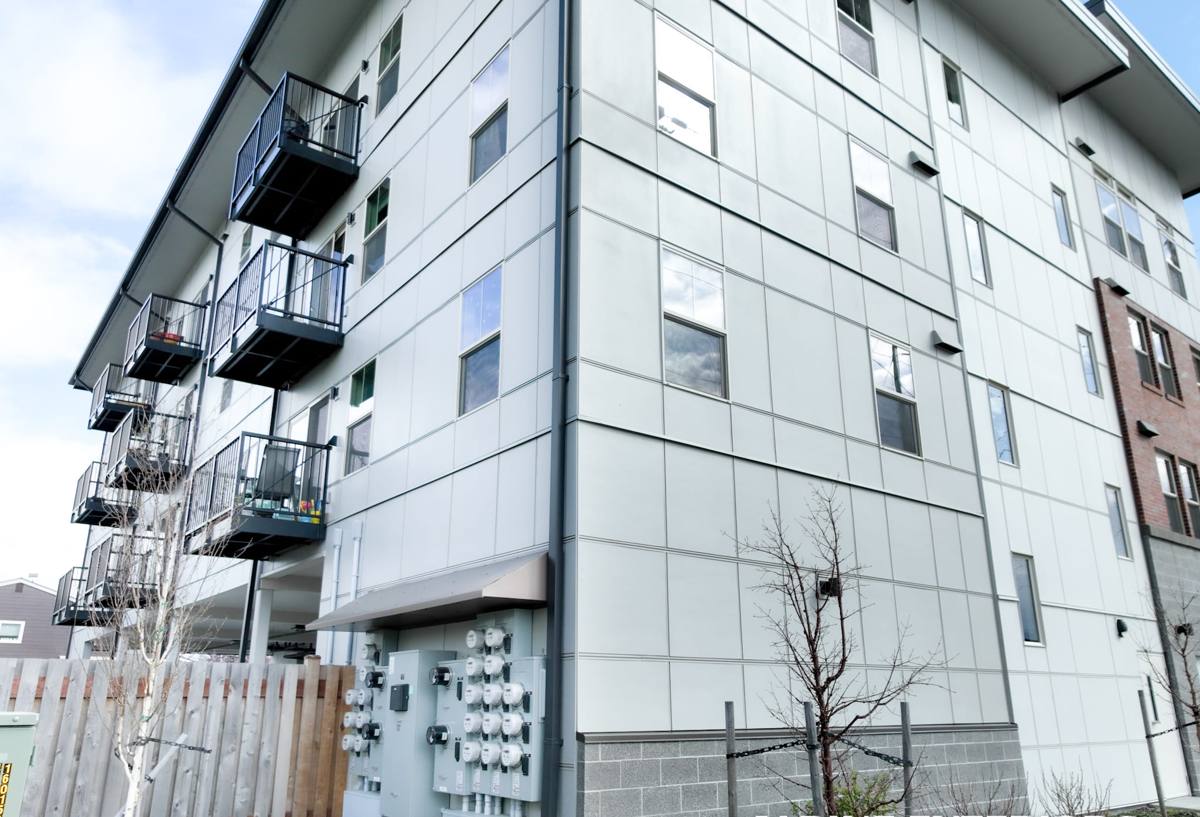
What James Hardie Fiber Cement Actually Is
James Hardie siding is made from Portland cement, sand, and cellulose fibers, cured under pressure into dense, stable boards. It's not wood, it doesn't have wood grain running through it that can wick water, and it's non-combustible — it won't ignite, warp from heat, or contribute fuel to a wildfire the way wood-based products can. That matters more every year as wildfire smoke and dry-season risk creep further into the Pacific Northwest's summer conversation.
James Hardie also builds region-specific product lines, called HZ10 and HZ5, engineered for different climate zones. Coastal Whatcom County — with its combination of salt-laden air off the Strait of Georgia and Bellingham Bay, near-constant winter rain, and shaded, moisture-holding tree cover in a lot of established neighborhoods — falls squarely into the zone Hardie designs its wetter-climate formulations for. That's not a marketing footnote; it's an engineering decision about how the board resists moisture cycling over decades.
ColorPlus Factory Finish
Most Hardie installs we do use ColorPlus Technology — a baked-on, multi-coat finish applied in a controlled factory environment rather than sprayed or brushed on site. It resists fading, chalking, and chipping far longer than field-applied paint, and touch-up product is available so small scratches from moving or landscaping don't turn into a repaint project. In a climate where UV exposure is lower but moisture exposure is constant, a finish that's cured and bonded at the factory — not drying on a wall in 55-degree drizzle — makes a real difference in how long the color holds.
What LP SmartSide Actually Is
LP SmartSide is an engineered wood product — strand-based, similar in concept to OSB, treated with a zinc borate additive for insect and fungal resistance and coated with a resin-saturated overlay. It's genuinely a step up from old-fashioned untreated wood or hardboard siding from decades past, and LP has worked hard to engineer out the failures that plagued earlier generations of wood composite siding.
It's also lighter than fiber cement, which some installers find easier to handle, and it holds a screw or nail without pre-drilling the way cement board sometimes requires. Those are real practical advantages during installation. Where it runs into trouble is over the long haul, in exactly the kind of weather Bellingham gets a lot of.
The Core Trade-Off: It's Still Wood-Based
Engineered wood, no matter how well it's treated, is still a cellulose product at its core. That means its long-term durability depends heavily on the finish and caulking staying intact and on installers following LP's moisture-management details to the letter — proper clearance off grade, correct flashing at every penetration, and gaps sealed exactly as specified. Miss one detail, and moisture has a pathway into a material that swells, and in worse cases delaminates or rots, when it stays wet. In a climate with our rain totals and our moss season — where north-facing walls and shaded siding can stay damp for weeks at a stretch — that installation margin for error is thinner than we're comfortable with.
Fiber cement doesn't eliminate the need for good flashing and installation practice — no siding does — but the base material itself doesn't rot, swell, or feed fungal growth the way a wood-based product can if water does get behind it. That's the difference between a installation mistake causing a repair and a installation mistake causing a rebuild.
Side-by-Side Comparison
| Factor | James Hardie Fiber Cement | LP SmartSide Engineered Wood |
|---|---|---|
| Base material | Cement, sand, cellulose fiber | Strand wood with resin overlay |
| Combustibility | Non-combustible | Combustible (treated, not fireproof) |
| Moisture behavior | Does not rot or swell from water exposure | Can swell, delaminate, or decay if water gets behind the panel |
| Climate-specific engineering | Regional HZ formulations for wet vs. dry zones | One core formulation nationwide |
| Factory finish option | ColorPlus baked-on finish, long fade resistance | Factory primed or prefinished; field paint common |
| Weight / handling | Heavier, more labor to install correctly | Lighter, faster to handle on site |
| Warranty structure | Long-term, transferable to one subsequent owner | Manufacturer warranty, terms vary by product line |
| Moss and algae resistance | Non-organic surface resists growth | Wood-based surface can support growth if damp long-term |
How Bellingham's Climate Changes the Calculus
Every siding comparison changes depending on where the house sits. A dry climate with occasional summer rain treats these two products very differently than a marine climate does. Whatcom County gives us three specific stressors worth naming directly:
- Salt air: Homes near Bellingham Bay, Lake Whatcom's shoreline communities, or anywhere with a clear exposure to the Strait see airborne salt that accelerates finish breakdown and metal fastener corrosion over time.
- Driving rain: Wind-driven rain off the water pushes moisture sideways into wall assemblies, not just straight down — which puts more stress on flashing details and butt joints than a calm-rain climate does.
- Moss season: Long stretches of overcast, damp weather from fall through spring keep north- and west-facing walls wet for days at a time, especially under mature tree canopy common in older Bellingham neighborhoods.
None of those three conditions are dealbreakers for a well-installed product. But they raise the stakes on moisture management, and they're exactly the conditions where a non-organic base material has a structural advantage that no amount of careful installation can fully replicate on a wood-based board.
Cost and Longevity, Honestly
LP SmartSide typically installs for less than James Hardie fiber cement, both in material cost and labor, since it's lighter and faster to cut and hang. That upfront savings is real and we're not going to pretend otherwise. The question we ask homeowners to think through is what that gap looks like over 20 or 30 years in this climate — repainting cycles, caulk maintenance, and the risk exposure if a flashing detail fails somewhere on the house during year twelve instead of year two, when it's easy to miss until damage has already spread.
Fiber cement carries a higher installed cost but a longer realistic service life with less maintenance drag in a wet climate, plus the ColorPlus finish stretches out repainting well beyond what field-painted wood composite typically needs. Neither product is "cheap" in an absolute sense — this is a mid-to-upper tier siding decision either way — but the cost delta between them is smaller over the life of the siding than it looks on day one.
Why We Only Install James Hardie
We made a decision as a company to standardize on one product line rather than offer a menu of options with different risk profiles. It's simpler for us to install one system correctly, every time, with crews who know its details cold — flashing sequences, fastener patterns, joint treatment — rather than switching between materials with different failure modes on every job. Given our climate, fiber cement's non-combustible, non-organic composition, the availability of a wet-climate-specific HZ10 formulation, the ColorPlus factory finish, and a strong transferable warranty made it the product we're willing to stand behind on every home we side.
That's a professional standard, not a claim that LP SmartSide can't work anywhere. Plenty of installers use it successfully, particularly in drier climates. We just don't think it's the right bet for a house that sits under Bellingham's rain and moss for eight or nine months a year.
What to Ask Any Contractor Before You Decide
- What product line and climate-specific formulation are they proposing, and why that one for your exposure?
- How do they detail flashing at windows, doors, and butt joints — can they walk you through it, not just say "to code"?
- What's the manufacturer warranty, and is it transferable if you sell the house?
- Do they offer a factory-applied finish, or will the siding be field-painted or field-primed on site?
- Can they point to homes they've sided in your specific neighborhood or similar wind/moisture exposure?
- What's their plan for the trim, water table, and any wood-to-siding transitions where most real-world leaks originate?
Making the Right Call for Your House
The right siding decision depends on your home's exposure, your budget, and how long you plan to own the house. We're always straightforward about the trade-offs, and we'd rather explain our reasoning than oversell you on a single product. If you're weighing siding materials for a home in Bellingham or elsewhere in Whatcom County, we're happy to walk your property, point out the exposure and moisture risks specific to your walls, and give you a straight answer about what we'd install and why. Reach out for a free, no-pressure estimate — there's no obligation, just an honest look at your options.