 Bellingham
 Ferndale's Climate Is Harder on a House Than It Looks
Ferndale sits in a part of Whatcom County where the weather doesn't do anything dramatic — it just doesn't let up. Homes here deal with a long, wet season that stretches from fall through spring, salt-laden air moving in off the water, and driving rain that comes sideways more often than straight down. None of that is unusual for northwest Washington, but it adds up differently depending on what's actually on the outside of your house.
Wood siding and trim take on moisture and hold it. Vinyl flexes and gaps as temperatures swing, giving wind-driven rain a place to work its way behind the panel. Cheaper fiber cement, or fiber cement installed without attention to flashing and clearances, can fail the same way wood does if water gets trapped instead of shed. The material matters, but so does whether the person installing it understands what this specific climate does to a wall assembly over ten, twenty, thirty years.
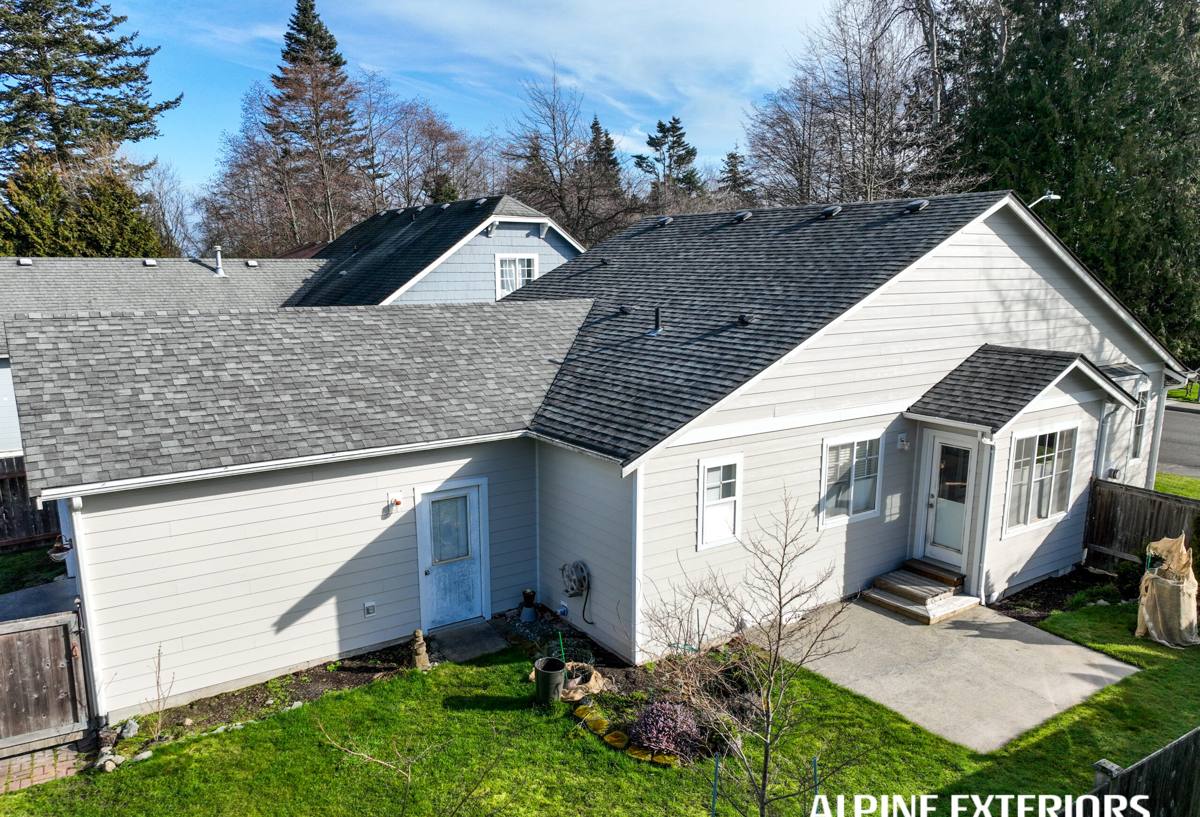
What We See on Ferndale Homes
Salt Air and Slow Corrosion
Proximity to the water means airborne salt finds its way onto siding, trim, fasteners, and metal flashing. Over time it accelerates corrosion on anything not rated for it and can dull or degrade paint finishes that weren't built to handle a marine-influenced environment. It's a slow process, which is exactly why it gets ignored until a homeowner is looking at chalky, pitted siding a decade earlier than they expected.
Driving Rain
Storms off the Strait of Georgia and Puget Sound don't fall straight down — wind pushes rain into vertical siding, window trim, and any gap or seam that isn't properly lapped or flashed. A siding system with poor water management doesn't just look bad when this happens; it lets moisture behind the cladding, where it can sit against sheathing and framing unseen.
The Long Moss Season
Shade, moisture, and moderate temperatures are exactly what moss wants, and Ferndale's tree cover and damp winters give it plenty of both. Moss and algae growth on siding and roofing isn't just cosmetic — it holds moisture against the surface longer than it would otherwise sit there, which matters most on materials that absorb water rather than shed it.
Why We Install James Hardie and Nothing Else
We made a decision a long time ago to install James Hardie fiber cement siding exclusively — not vinyl, not LP SmartSide, not Cemplank or Allura, not primed spruce or cedar. That's a narrower lineup than a lot of contractors offer, and we're upfront about why.
Fiber cement as a category resists the two things that cause the most damage in this climate: moisture absorption and pest activity. James Hardie's HZ5 product line is engineered specifically for climates with freeze-thaw cycles and sustained moisture exposure, which describes a typical Whatcom County winter well. The ColorPlus factory finish is baked on under controlled conditions rather than field-applied, which means better adhesion and more consistent resistance to fading and chipping than a job-site paint job can reliably deliver — a real advantage when salt air is already working against any finish.
It's non-combustible, which matters more each year as wildfire smoke and dry summer stretches become a bigger part of the regional conversation even on the wetter west side of the state. And it carries a strong transferable warranty, which protects the investment for whoever owns the house next, not just the person paying for the install.
None of this means other products are worthless — it means we'd rather stand behind one system we trust completely than offer a menu of materials with different weak points depending on your budget.
How the Common Alternatives Compare in This Climate
| Material | Moisture Behavior | Salt Air / Coastal Exposure | Long-Term Maintenance |
|---|---|---|---|
| James Hardie Fiber Cement | Doesn't absorb and swell; engineered water-resistant core | Factory finish holds up well; not vulnerable to rot | Repaint interval is long; no rot risk to manage |
| Vinyl Siding | Sheds water on the face but gaps/seams can let water behind panels | Can become brittle and discolor faster in coastal UV/salt exposure | Low upkeep but limited repair options if damaged |
| Wood / Cedar | Absorbs moisture readily; prone to rot without diligent upkeep | Salt air accelerates weathering of finishes | Requires regular refinishing and rot inspection |
| LP SmartSide / Engineered Wood | Resistant but still wood-based; edge sealing is critical | Performs reasonably if installed and sealed correctly | Moderate; installation quality is the deciding factor |
Siding Is the Start — Not the Whole Job
A siding replacement is also a good time to take an honest look at the rest of the exterior, because it's all connected. Roofing, windows, and siding all manage water together, and a problem in one area often shows up as damage in another.
Roofing
The same moss and moisture that affect siding show up on roofs first — usually as granule loss, dark streaking, or moss buildup along shaded slopes and valleys. A roof that's shedding water poorly will eventually push moisture toward the siding and trim below it.
Windows
Window flashing and trim are common weak points for driving rain. Old or poorly flashed windows are one of the most frequent sources of hidden water intrusion we find when siding comes off a wall, especially on homes exposed to wind off the water.
Decks
Ferndale's damp winters are tough on ground-level and attached decks, particularly ledger connections and any spot where the deck meets the house. A deck built or maintained without attention to water management can quietly feed moisture into the same wall assembly you just re-sided.
Handling siding, roofing, windows, and decks as one connected system — rather than four separate vendors with four different opinions about how water should move around your house — is a big part of why homeowners bring us in rather than piecing the job out.
Why a Local Crew Matters Here
A crew that works Whatcom County regularly knows what a Ferndale winter actually does to a house, because they've seen it firsthand — not read about it in a manufacturer's install guide written for a different region. That shows up in the small decisions: how flashing is lapped, how much clearance is left at grade and roofline, how fastener spacing is handled given the wind exposure this area gets. James Hardie siding performs the way it's supposed to when it's installed to spec — and installation quality is the single biggest factor in whether it lives up to its 30+ year potential or runs into problems early.
Local also means being reachable after the job is done. If a question comes up two years down the road, you're not tracking down a crew that worked one job in the area and moved on.
What to Expect From the Process
- Assessment: We look at the whole exterior — siding, trim, flashing, roof condition, window condition — not just the material you called about.
- Honest scope: If moisture damage is found behind existing siding, we tell you before work starts, not after the wall is already open.
- Product selection: We walk through James Hardie's lines and ColorPlus color options so the choice fits the house and the neighborhood, not just the budget.
- Installation to spec: Correct clearances, fastening, and flashing details — the parts that determine whether the material performs for decades or years.
- Cleanup and walkthrough: A final walk of the property so you know what was done and what to watch for going forward.
Questions Worth Asking Any Exterior Contractor Before You Hire
- Are you licensed and insured to work in Whatcom County?
- Who is actually on the crew doing the install — subcontracted or in-house?
- What's your plan for flashing around windows, doors, and roof transitions?
- What warranty applies to materials, and separately, to labor?
- Can you explain why you'd choose one siding product over another for my specific house?
Cost Factors Worth Understanding
Every house is different, so we won't put a number here that doesn't mean anything without seeing your project. What actually drives cost on a Ferndale exterior job usually comes down to a handful of factors:
| Factor | Why It Matters |
|---|---|
| Existing wall condition | Hidden rot or water damage found during tear-off adds repair scope before new siding goes on |
| House size and complexity | More corners, gables, and trim detail means more labor and material |
| Siding profile and color | Lap width, shingle-style panels, and ColorPlus vs. field-painted options vary in cost |
| Scope of work | Siding alone vs. siding paired with roofing, window, or deck work |
| Access and site conditions | Steep lots, mature landscaping, or limited access can affect labor time |
If you're in Ferndale and thinking about siding, roofing, windows, or a deck, we're happy to come take an honest look and put together a free, no-pressure estimate — no obligation, just a clear picture of what your house needs and what it would take to do it right.