 Bellingham
 Exterior Work in Sehome: A Neighborhood That Wears Its Weather
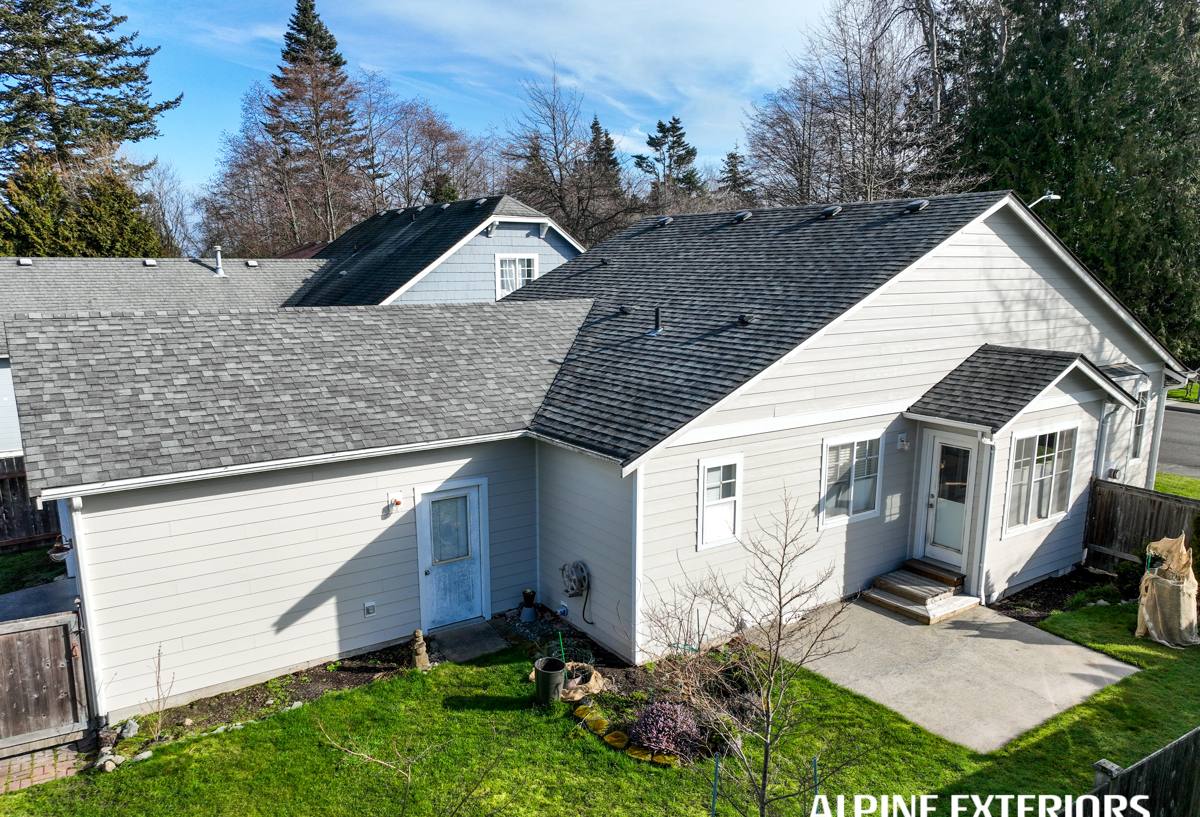
Sehome sits close to the heart of Bellingham, wedged between downtown and the wooded rise of Sehome Hill, with plenty of homes built decades ago when the neighborhood grew up around the university and the older residential streets nearby. That mix of age, tree cover, and proximity to Bellingham Bay means exterior surfaces here take a specific kind of beating. Homes in Sehome deal with damp, shaded lots under mature trees, salt-tinged air drifting in off the water, and driving rain that comes in sideways more often than most homeowners would like. We've worked on siding, roofing, windows, and decks across this part of Bellingham long enough to know what actually holds up here and what quietly fails a few years after installation.
What Whatcom County Weather Does to a House
Bellingham's climate isn't dramatic — no hurricanes, no extreme heat — but it's relentless in a way that punishes cheap materials and sloppy installation. The combination that matters most for exterior siding in Sehome is:
- Salt air: Even a few miles inland from Bellingham Bay, airborne salt accelerates corrosion on fasteners, flashing, and any siding product that isn't engineered to resist it.
- Driving rain: Wind-driven rain off the Strait doesn't just fall straight down — it gets pushed sideways into wall assemblies, which is exactly the condition that exposes weak seams, poor caulking, and undersized overhangs.
- A long moss season: Shade, moisture, and mild temperatures for most of the year add up to moss and algae growth that can run from fall through spring on north-facing walls and anywhere tree cover blocks the sun.
Individually, none of these is unusual for Western Washington. Together, over years, they're what separates a siding job that looks good at installation from one that still looks good a decade later.
Why Older Sehome Homes Show These Problems First
A lot of housing stock in and around Sehome predates modern building science — house wraps, rainscreen gaps, and correctly flashed window and door openings weren't always standard practice when these homes went up. That means when we're re-siding a home in this neighborhood, we're not just swapping material, we're often correcting decades-old moisture management issues at the same time. Skipping that step and just re-cladding over old problems is one of the most common mistakes we see from less careful contractors.
Why We Install James Hardie Fiber Cement — And Nothing Else
We made a decision as a company to install only James Hardie fiber cement siding. Not vinyl, not LP SmartSide, not Cemplank or Allura, not primed spruce or cedar. That's not a marketing position — it's a practical one, built on what actually performs in Whatcom County conditions over 20, 30, and 40 years.
How Hardie Handles What Sehome Throws At It
- Non-combustible: Fiber cement doesn't burn, which matters as wildfire smoke seasons have become a more regular part of Pacific Northwest summers.
- Moisture-stable: Unlike wood-based products, fiber cement doesn't swell, rot, or delaminate when it stays damp for long stretches — a real advantage on shaded, moss-prone walls.
- Factory-applied ColorPlus finish: The finish is baked on in a controlled factory environment rather than field-painted, which gives far more consistent coverage and adhesion than job-site painting, especially in a climate where you rarely get more than a few dry days in a row.
- Climate-engineered HZ product lines: Hardie's HZ10 formulation is built specifically for colder, wetter regions like ours, which matters more than most homeowners realize when comparing siding on paper.
- A strong, transferable warranty: Backed by a manufacturer with the volume and track record to stand behind it for the long haul, and transferable if the home sells.
We're not going to tell you vinyl or LP SmartSide are bad products in some absolute sense — they have their place, and plenty of homes wear them fine in drier climates. But vinyl expands and contracts with temperature swings and can crack in cold snaps, engineered wood products are more sensitive to sustained moisture exposure at cut edges and seams, and cedar demands a maintenance schedule most homeowners underestimate until the finish starts failing. In a neighborhood dealing with salt air, driving rain, and months of moss pressure every year, those trade-offs show up faster than they would somewhere drier. That's why we standardized on Hardie: it's the product we're comfortable putting our name behind for the long term, not just the install day.
Siding Material Comparison for Sehome Conditions
| Factor | James Hardie Fiber Cement | Vinyl | Cedar / Wood |
|---|---|---|---|
| Moisture resistance | Excellent — won't rot or swell | Good, but seams can trap moisture | Poor without diligent maintenance |
| Salt air / corrosion resistance | Strong, non-metallic core | Moderate — fasteners can corrode | Moderate — finish breaks down faster |
| Fire resistance | Non-combustible | Melts/deforms in heat | Combustible |
| Finish longevity | 15+ years factory finish | Color baked in, but can fade/chalk | Repaint/restain every 3-7 years |
| Typical lifespan | 30-50+ years with upkeep | 20-30 years | 15-25 years with heavy maintenance |
Roofing, Windows, and Decks: The Rest of the Envelope
Siding is only part of what keeps a Sehome home dry and comfortable. We handle roofing, windows, and decks too, because they all interact — a failing roof edge can rot a wall from the top down, an old window can be the real source of a "siding leak," and a deck built without proper ledger flashing can rot the wall it's attached to.
Roofing
Bellingham roofs deal with moss and sustained wet-season loading more than they deal with heat or hail. We check ventilation, flashing details, and moss-resistant treatment as part of any roofing conversation, since a roof that sheds water properly protects the siding below it.
Windows
Old, poorly flashed windows are one of the most common hidden water entry points we find when we open up a wall during a siding project. Replacing windows at the same time as siding — when it makes sense for the home — lets us integrate flashing correctly instead of caulking around an old opening and hoping for the best.
Decks
Decks in shaded, damp Sehome yards need the same moisture discipline as siding: proper ledger flashing, spacing that allows airflow, and materials that won't trap water against the house.
What Correct Installation Actually Involves
Fiber cement siding performs the way it's supposed to only when it's installed to spec. Cutting corners on installation is where most siding "failures" actually start, not with the product itself. On every Hardie project we run in Sehome, that means:
- Proper water-resistive barrier and, where appropriate, a rainscreen gap to let moisture drain and walls dry
- Correct flashing at every window, door, and roofline intersection — the details that matter most in driving rain
- Manufacturer-specified fastener spacing, clearances, and caulking practices
- Proper clearance from grade, decks, and roof lines to keep siding out of standing moisture and away from constant moss exposure
- Factory-finished ColorPlus panels installed with touch-up rather than field painting, preserving the factory warranty
Why a Local Crew Matters Here
A contractor based outside Whatcom County can install siding, but they haven't necessarily learned what this specific climate does to a wall assembly over a full Bellingham winter and the wet shoulder seasons on either side of it. A local crew knows which walls in a neighborhood like Sehome hold moss longest, which orientations take the worst of the wind-driven rain off the bay, and how mature tree canopy changes drying time after a storm. That knowledge shapes decisions on flashing details, ventilation, and even color and texture choices that hold up visually in a shaded, damp setting.
A Practical Checklist Before You Hire
- Ask what siding product they install and why — and whether they'll stand behind it in writing
- Confirm they're pulling permits and following manufacturer installation specs, not just "how we've always done it"
- Ask specifically about rainscreen/drainage plane details for a wet, shaded lot
- Check how they handle window and door flashing integration during a siding project
- Ask about moss and algae considerations for north-facing or heavily shaded walls
- Get a warranty explanation in plain language — manufacturer warranty vs. workmanship warranty
Getting Started
If you're weighing a siding, roofing, window, or deck project on a Sehome home, we're happy to take a look, walk the exterior with you, and explain what we're seeing and why — no pressure, no obligation. Reach out for a free estimate and we'll give you a straight answer about what your home actually needs.