 Bellingham
 Ferndale's Coastal Climate Is Hard on Roofs
Ferndale sits close enough to Bellingham Bay and the Nooksack River lowlands that homes here deal with a specific mix of weather most inland roofing crews rarely see day to day: salt-tinged air drifting off the water, long stretches of driving rain pushed sideways by wind off the Sound, and a moss season that can run from October clear through April. None of these things ruin a roof by themselves. Combined, over years, they wear on fasteners, undercut flashing, and turn a roof that looked fine last spring into one that's leaking by the following winter.
A roof built for Arizona or even inland Washington isn't automatically built for Ferndale. The materials, the flashing details, and the ventilation all need to account for near-constant moisture exposure and the organic growth that comes with it. That's the lens we use on every replacement we quote in this part of Whatcom County.
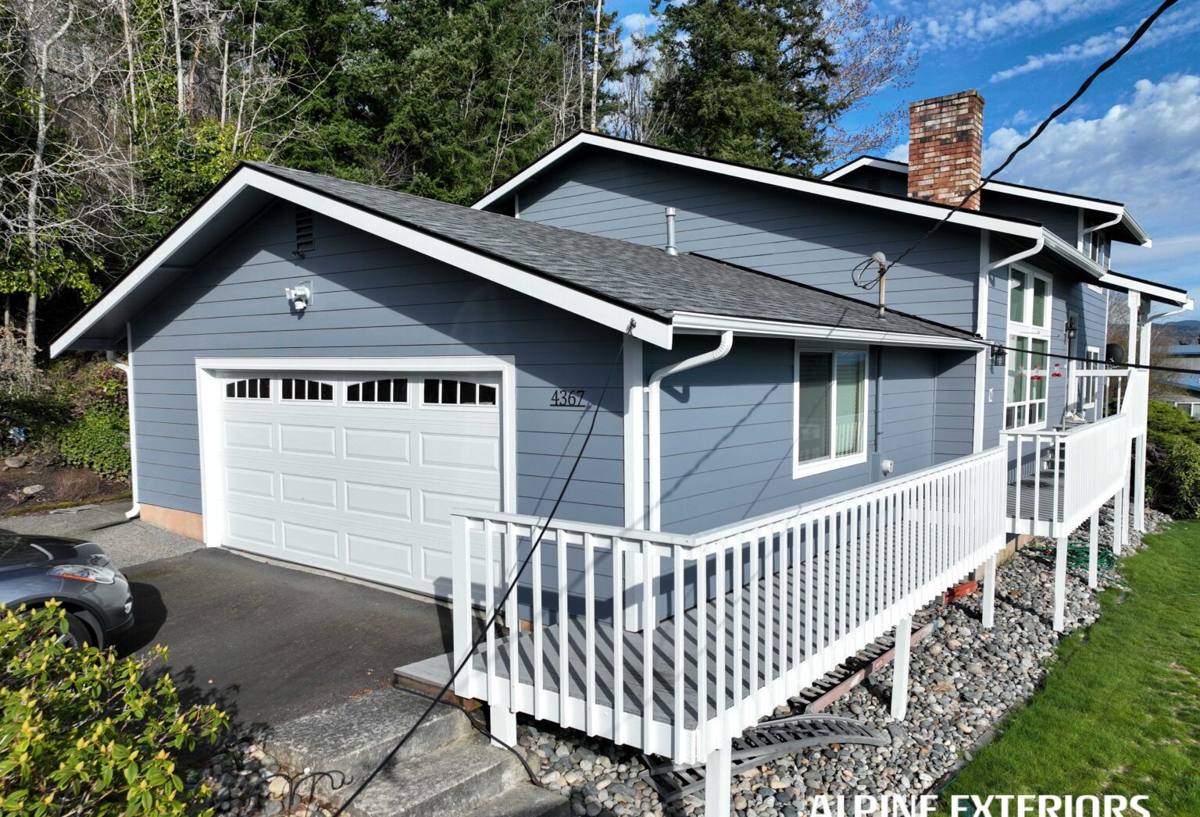
Repair or Replace: Recognizing the Signs
Not every roof problem means a full replacement. But there's a point where patching starts costing more, over time, than doing the job right once. Here's how we help Ferndale homeowners tell the difference.
Granule Loss and Shingle Curling
Asphalt shingles shed their protective granules as they age — you'll often see them collecting in gutters or downspouts. Once granule loss is widespread, or shingle edges start curling and cupping, the roof has lost most of its UV and water resistance. Repairs at that stage are cosmetic at best.
Soft Decking and Sagging
Persistent moss and moisture intrusion can work their way under shingles and into the roof deck itself. A soft spot underfoot, visible sagging between rafters, or dark staining on the underside of the deck in the attic are all signs that water has been getting into the structure — not just the shingles.
Chronic Moss and Moisture Staining
A little surface moss on a north-facing slope is common in this climate and not automatically a red flag. But moss that keeps returning within a season or two of cleaning, especially combined with interior staining on ceilings or in the attic, usually means the underlayment and flashing are no longer doing their job and the roof is past the point where cleaning alone helps.
What a Correct Roof Replacement Actually Involves
A roof replacement is more than swapping old shingles for new ones. Done right, it's a full system rebuild, and the parts you don't see matter as much as the ones you do.
Tear-Off and Deck Inspection
We remove the existing roofing down to the deck rather than layering over it. That's the only way to actually inspect the plywood or sheathing underneath for soft spots, delamination, or rot — problems that are common on older Ferndale homes where moisture has been working on the deck for years without anyone knowing.
Underlayment and Water Protection
With the deck exposed and any damaged sections replaced, we install underlayment rated for sustained wet exposure, with self-adhering ice-and-water membrane at the eaves, valleys, and any low-slope transitions — the places where wind-driven rain is most likely to find a way in.
Ventilation
Attic ventilation gets overlooked constantly, but it directly affects how long a roof lasts in a wet climate. Poor airflow traps moisture against the underside of the deck, which accelerates rot and gives moss and mildew a head start from the inside. We check and correct intake and exhaust balance as part of every replacement, not as an upsell.
Flashing and Penetrations
Chimneys, vents, skylights, and roof-to-wall transitions are where most leaks actually start — not out in the open field of the roof. We replace flashing rather than reusing old pieces, and we pay particular attention to any flashing near the coast-facing side of a house, since salt air accelerates corrosion on lower-grade metal faster than people expect.
A complete replacement, at minimum, should include:
- Full tear-off to the deck, not an overlay
- Deck inspection and repair or replacement of any damaged sheathing
- New underlayment, with ice-and-water membrane at vulnerable areas
- New flashing at all penetrations, valleys, and wall transitions
- Balanced intake and exhaust ventilation
- Proper fastening spec for the wind exposure of the site
- Cleanup and magnetic sweep for nails and debris
Matching Roofing Materials to Ferndale's Weather
There's no single "best" roofing material for every home — it depends on the roof's pitch, the tree cover on the lot, the budget, and how much long-term maintenance the homeowner wants to take on. Here's how the common options compare for a coastal Whatcom County home.
| Material | Moss Resistance | Salt Air / Corrosion | Typical Lifespan | Relative Cost |
|---|---|---|---|---|
| Architectural asphalt shingle | Moderate; benefits from copper or zinc strips | Good with corrosion-resistant fasteners and flashing | 25-30 years | $ |
| 3-tab asphalt shingle | Lower; flatter profile sheds debris less easily | Fair; more sensitive to wind uplift over time | 15-20 years | $ |
| Metal (standing seam or panel) | Very good; smooth surface discourages growth | Requires marine-grade coatings/fasteners near the water | 40-50+ years | $$$ |
| Synthetic/composite shingle | Good; engineered surface resists organic growth | Good; less prone to corrosion issues than metal fasteners | 30-50 years | $$ |
We don't push any one product as the answer for every roof. Metal has an excellent lifespan but a higher upfront cost and needs the right coating and fastener spec to hold up near salt air. Composite and synthetic shingles split the difference on cost and durability. Standard 3-tab asphalt is the most affordable option but carries a shorter service life and more sensitivity to the wind and moisture cycle this area sees every winter — which is why we typically steer budget-conscious homeowners toward a well-installed architectural shingle instead, as a better balance of cost and longevity, rather than the base-grade 3-tab product.
What Drives the Cost of a Ferndale Roof Replacement
Full tear-off replacements on typical Ferndale homes generally land somewhere in the broad range of roughly $8,000 to $20,000 or more, but that spread is wide for a reason — the real number depends on specifics we can only pin down with an on-site look. The main variables:
- Roof size and pitch — steeper roofs take longer and require more safety staging
- Number of existing layers — tearing off two layers of old shingles costs more than one
- Deck condition — hidden rot found during tear-off means added repair
- Material choice — asphalt, composite, and metal carry different material and labor costs
- Roof complexity — valleys, dormers, chimneys, and skylights all add flashing work
- Access — tree cover, steep lots, or tight driveways can affect staging and disposal costs
We'd rather walk your roof and give you a real number than quote a range that doesn't hold up once the tear-off starts.
Our Process, Start to Finish
- Estimate and roof inspection — we look at the current roof, the deck where accessible, attic ventilation, and any trouble spots you've already noticed.
- Written scope and material selection — you get a clear, itemized quote before any work starts, with material options explained honestly.
- Permitting — depending on whether the property falls under City of Ferndale or Whatcom County jurisdiction, we handle the permit process as part of the job.
- Scheduling around the weather — we build in realistic windows for this area's rain patterns rather than promising a start date we can't hit.
- Tear-off and deck inspection — old roofing comes off, the deck gets inspected, and any repairs are discussed with you before we cover them back up.
- Installation — underlayment, flashing, ventilation, and the new roofing system go on to spec.
- Cleanup and walkthrough — full site cleanup, a magnetic nail sweep, and a walkthrough so you know exactly what was done.
Living with Moss and Algae After Replacement
A new roof doesn't make moss season disappear — it just gives you a system built to handle it. A few habits go a long way toward protecting that investment:
Keep gutters clear heading into fall, since clogged gutters back water up under the eave line, exactly where ice-and-water membrane is doing its most important work. Trim back tree limbs that shade the roof and drop needles or leaves, since shaded, debris-covered sections are where moss takes hold first. And have the roof looked at every couple of years rather than waiting for a visible problem — small maintenance is a lot cheaper than another full replacement down the line.
Why a Crew That Already Works Ferndale Matters
Roofing crews that only occasionally work this far north tend to underestimate two things: how much wind-driven rain this area gets off the water, and how quickly moss re-establishes itself in the shoulder seasons. A crew that works Ferndale and the greater Bellingham area regularly schedules around those patterns instead of getting caught by them, knows which flashing and fastener upgrades are worth the extra cost this close to salt air, and is familiar with the permitting path for both in-city Ferndale addresses and unincorporated Whatcom County parcels nearby. That local familiarity shows up less in the sales pitch and more in the details — the flashing choices, the fastener spec, the way the job is sequenced around the forecast.
If you're weighing repair versus replacement, or just want an honest look at where your current roof stands, we're glad to come out and take a look. The estimate is free, there's no pressure either way, and you can start with the form below.