 Bellingham
 Decks in Barkley Take a Different Kind of Beating
Barkley sits close enough to the water and open enough to weather that decks here age differently than decks fifty miles inland. Homeowners in this part of Bellingham deal with a specific combination: salt-tinged air moving in off Bellingham Bay, long stretches of driving rain that comes in sideways more often than straight down, and a moss season that can run eight months out of the year in shaded yards. None of those things are dramatic on their own. Together, over ten or fifteen years, they're what turns a solid deck into a soft, spongy, slippery liability.
We work in this neighborhood regularly, which matters more than it sounds like it should. A deck built to a generic spec sheet and a deck built for Barkley's specific exposure — tree cover, prevailing wind direction, how much afternoon sun a yard actually gets — are not the same project, even if they look identical from the street.
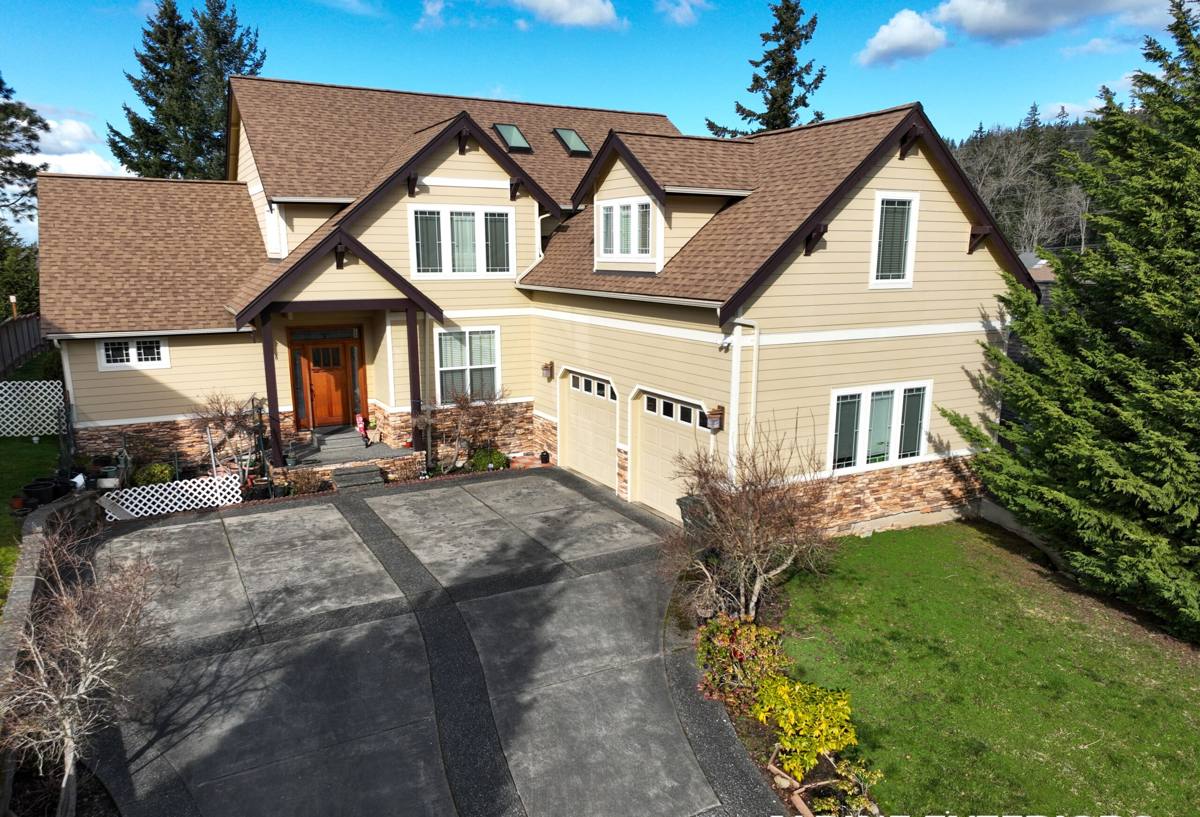
Why Whatcom County Weather Wears Decks Out Faster
Salt Air and Metal Fasteners
Coastal moisture carries salt, and salt accelerates corrosion in anything metal — fasteners, joist hangers, flashing. When a deck was built with standard hot-dip galvanized hardware instead of coated or stainless fasteners rated for coastal exposure, that hardware can start failing well before the wood does. You often can't see this from the top of the deck; it's happening underneath, at the connections that hold the whole structure together.
Driving Rain and Water That Won't Shed
Bellingham doesn't just get rain, it gets rain pushed sideways by wind off the water. That matters for deck boards laid flat with tight gaps, for ledger board flashing, and for any horizontal surface that wasn't sloped enough to shed water quickly. Water that sits — even briefly, even in small amounts — is the single biggest driver of rot in this climate.
Moss, Shade, and Trapped Moisture
Whatcom County's tree cover is part of what makes neighborhoods like Barkley pleasant to live in, but shade plus moisture is exactly what moss needs. Moss on a deck surface isn't just a slip hazard — it holds water against the wood surface long after the rain has stopped, which is a slower but steadier path to rot than a single hard storm.
Repair or Replace? What We Actually Look At
Not every tired-looking deck needs full replacement, and we won't tell you it does just to sell a bigger job. What actually determines the call is the structure underneath, not the surface.
- Ledger board attachment — where the deck connects to the house. If this connection is compromised, that's a safety issue, not a cosmetic one.
- Joists and beams — probe for soft, spongy, or dark/discolored wood, especially near ground contact points and under the decking boards where water collects.
- Support posts and footings — check for movement, rot at the base, or footings that were undersized or poured shallow to begin with.
- Railing posts — a wobbly railing post is one of the most common signs of failing structural wood, and one of the most dangerous to ignore.
- Surface boards — splintering, graying, and cupping on the decking itself can often be a resurfacing job rather than a full teardown, if the frame underneath is sound.
If the frame is solid, we'll say so and talk about resurfacing instead. If the frame is compromised, patching the surface just hides the problem for another season or two.
What a Correct Deck Replacement Actually Involves
A deck replacement done right is mostly about what you don't see once it's finished.
Structural Work
This starts with proper ledger board flashing where the deck meets the house — a step that, when skipped or done wrong, is the single most common cause of hidden rot and water damage to the home itself, not just the deck. Framing gets sized to current code for the deck's load and span, posts get set on footings appropriate for our soil and frost conditions, and every connection uses fasteners and hardware rated for coastal, high-moisture exposure.
Drainage and Slope
Decking gets installed with a slight slope away from the house and consistent board spacing so water actually moves off the surface instead of collecting. This is a small detail on paper and a major factor in how long the deck lasts.
Material Selection for the Site
A shaded, tree-covered lot and a sun-exposed lot in the same neighborhood can call for different material choices. We factor in how much direct sun and airflow a specific deck will get, since that affects moisture retention and moss growth as much as the material itself does.
Permitting
Most deck replacements in Bellingham require a permit, particularly when structural elements like footings, ledger attachment, or railings are involved. We handle that as part of the process rather than leaving it on the homeowner's plate.
Decking Material Comparison for This Climate
| Material | How It Handles Our Climate | Maintenance | Typical Lifespan |
|---|---|---|---|
| Pressure-treated lumber | Good rot resistance when properly sealed and maintained; needs re-staining to shed water well | Annual cleaning, periodic re-sealing | 10–15 years with upkeep |
| Cedar | Naturally moisture-resistant and handles our humidity well; softer, so more prone to surface wear | Regular sealing to maintain color and water resistance | 15–20 years with upkeep |
| Composite decking | Very stable in wet, shaded conditions; doesn't absorb water like wood, less prone to splintering | Periodic washing to prevent moss/algae film; no staining or sealing | 25–30 years, manufacturer-dependent |
There's no single "right" material for every home in Barkley — it depends on budget, how much shade the deck sits in, and how much upkeep a homeowner actually wants to do. We'll walk through the honest trade-offs for your specific yard rather than push whatever has the best margin.
Our Process, Start to Finish
- On-site assessment — we inspect the existing structure, note moisture and rot patterns specific to your deck's sun/shade exposure, and give you a straight answer on repair vs. replacement.
- Design and material selection — sizing, layout, railing style, and decking material chosen for your site conditions and budget.
- Permitting — we pull the necessary permits and coordinate inspections so the job is done to code, not just to look right.
- Demolition and disposal — full removal of the old deck, including hauling debris off-site.
- Framing and structural build — ledger flashing, joists, beams, posts, and footings built to current code and coastal-exposure hardware standards.
- Decking, railing, and finish work — boards installed with proper spacing and slope, railings set and secured, final detailing.
- Final walkthrough — we go over the finished deck with you, including basic care guidance for your specific material.
What Drives the Cost of a Deck Replacement
| Factor | Why It Matters |
|---|---|
| Deck size and shape | Square footage and complexity of the layout (multi-level, angled corners, built-in seating) directly affect labor and material. |
| Material choice | Pressure-treated, cedar, and composite decking carry different upfront costs and different long-term maintenance costs. |
| Structural condition | Rotted framing, undersized footings, or a compromised ledger connection add scope beyond a straight resurface. |
| Height and railing requirements | Elevated decks need more substantial framing and code-required guardrails, which adds material and labor. |
| Site access | Sloped lots, tight side-yard access, or established landscaping around the deck can affect demolition and hauling. |
We're not going to throw out a number without seeing the deck — anyone who quotes a full replacement over the phone without looking at your framing is guessing. What we can promise is a written estimate that breaks down exactly what you're paying for before any work starts.
Why a Crew That Works Barkley Already Matters
Deck-building fundamentals don't change from one Bellingham neighborhood to the next, but the exposure conditions do. A crew that already works in Barkley has a working sense of which yards run shadier and hold moss longer, which lots catch more wind off the bay, and what the local permitting office actually wants to see on a deck application before it moves through review. That familiarity shows up in fewer surprises — less back-and-forth on permits, fewer assumptions that turn out wrong once we open up the old structure.
It also means we're not driving across the county for a warranty callback. If something needs a second look after the job is done, we're already in the neighborhood.
Keeping a New Deck in Good Shape
- Sweep leaves and debris off the surface regularly, especially in fall — trapped organic matter holds moisture and feeds moss.
- Wash the deck surface once or twice a year to remove algae and moss film before it takes hold, particularly on shaded sections.
- Check railings and stair connections annually for looseness — this is often the first sign of a developing problem.
- For wood decking, re-seal or re-stain on the schedule your material calls for; don't wait until water stops beading on the surface.
- Keep gutters and downspouts near the deck clear so runoff isn't dumping extra water onto or under the structure.
- Trim back overhanging branches where practical to improve airflow and sun exposure across the deck surface.
Let's Take a Look at Your Deck
If your deck in Barkley is showing soft spots, a wobbly railing, or just years of wear from Bellingham's rain and moss, we're happy to come take an honest look. There's no pressure and no obligation — just a straight assessment of what your deck actually needs, and a written estimate you can think over. Use the form below to request your free estimate.