 Bellingham
 Why Birchwood Homes Put Windows Through More Than People Expect
Birchwood sits close enough to the water and the wet Whatcom County weather pattern that windows here work harder than they do in drier parts of the state. Between salt-laden air drifting in off Bellingham Bay, driving rain that comes in sideways during winter storms, and a moss season that can stretch from October through May, window frames, seals, and glazing take a steady beating year after year. Most homeowners don't notice the damage until it shows up as a draft, a foggy pane, or a sash that won't latch right anymore.
Energy-efficient windows aren't just about a lower power bill, though that's part of it. In this climate, an energy-efficient window is really a window built to keep moisture, wind, and temperature swings outside where they belong. When that seal fails, you don't just lose efficiency — you open the door to rot in the surrounding framing, which is a much bigger and more expensive problem than the window itself.
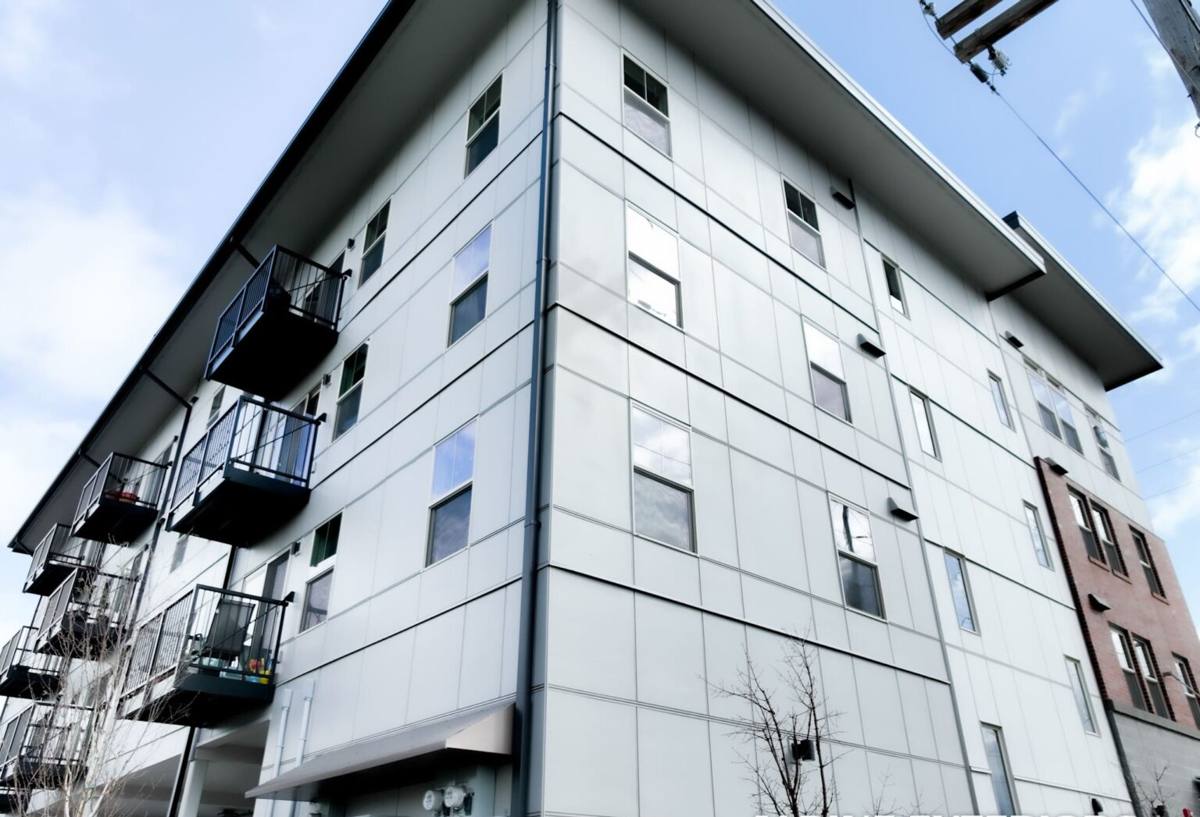
What "Energy-Efficient" Actually Means for a Bellingham Home
The term gets used loosely, so it's worth being specific about what actually matters for a house in this part of Whatcom County.
U-Factor and Glass Package
U-factor measures how much heat the window lets escape — lower is better. For our climate, we generally look for double-pane windows with low-E coatings and argon gas fill as the practical baseline. Triple-pane exists and performs better on paper, but the marginal gain often doesn't justify the added cost and weight unless the home has an unusually exposed north or west face.
Frame Material and Moisture Behavior
The frame matters as much as the glass here, because frames are what take the brunt of driving rain and salt air. Vinyl and fiberglass frames handle our moisture load well and don't require the ongoing maintenance that wood trim does. We're honest with homeowners about wood-clad windows: they can look great, but in a marine climate with this much sustained moisture, they demand a maintenance schedule most people don't keep up with, and that's when rot gets a foothold.
Air Sealing at Installation
A high-performance window installed with a poor seal performs like a cheap one. This is the piece that gets skipped most often by crews that don't specialize in this climate, and it's the piece that actually determines whether the window earns its "energy-efficient" label five years down the road.
Signs Your Current Windows Are Underperforming
- Visible condensation or fogging between panes — the seal has failed and the gas fill is gone
- A noticeable draft near the frame edges, especially during winter storms
- Soft or discolored trim and sill wood, a sign moisture is getting past the seal
- Difficulty opening, closing, or latching a window that used to operate smoothly
- Visible moss or dark streaking building up on the exterior sill or frame
- A noticeable temperature difference near the window compared to the rest of the room
- Rising heating bills without a clear explanation elsewhere in the home
Any one of these on its own might not mean much. Two or three together, especially on the side of the house that takes the most weather, usually means the window system has reached the end of its useful life.
What a Correct Window Installation Involves
Swapping in a new window is straightforward. Doing it in a way that holds up to Bellingham's weather for the next 20-plus years takes more attention to the details most people never see once the trim goes back on.
Removing the Old Unit Without Hidden Damage
Before anything new goes in, we check the rough opening for water damage or soft framing. In a climate with this much sustained moisture, it's common to find some degree of hidden deterioration around older windows, especially ones that have been leaking slowly for years without an obvious symptom. Any compromised framing gets addressed before the new window goes in — installing a new window over damaged framing just locks the problem behind new trim.
Flashing and Weather Barrier Integration
This is the step that matters most in a marine climate. The window's flashing has to integrate correctly with the house's weather-resistive barrier so that any water that does get past the exterior cladding is directed back out, not into the wall cavity. Done wrong, this is the single biggest cause of window-related rot we see in homes throughout the Bellingham area.
Sealing and Insulating the Gap
The gap between the window frame and the rough opening needs to be insulated and air-sealed correctly — not overfilled with expanding foam, which can bow the frame, and not left with gaps that let air and moisture through. Getting this right is what separates a window that performs to its rated efficiency from one that doesn't.
Exterior Trim and Sealant
Exterior sealant beads and trim details are the first line of defense against driving rain. We use sealants rated for sustained wet exposure, not general-purpose caulk that breaks down after a couple of wet seasons.
Our Process for Birchwood Window Projects
- On-site assessment — we look at existing windows, framing condition, and which sides of the house take the most weather exposure
- Product recommendation — we walk through frame material and glass package options based on your home's exposure and budget, not a one-size-fits-all pitch
- Written estimate — clear scope, materials, and timeline before any work begins
- Removal and framing check — old units come out carefully so we can inspect the rough opening for hidden moisture damage
- Installation — proper flashing integration, insulation, and air sealing at every unit
- Exterior finish work — trim, sealant, and cleanup so the finished look matches the rest of the home
- Final walkthrough — we test operation and seals with you before calling the job done
Comparing Frame Options for This Climate
| Frame Type | Moisture Resistance | Maintenance | Typical Fit for Birchwood Homes |
|---|---|---|---|
| Vinyl | Strong — won't rot, minimal water absorption | Low — occasional cleaning | Good all-around choice for most homes, strong value |
| Fiberglass | Very strong — dimensionally stable in wet/dry cycles | Low | Good fit for higher-exposure walls facing prevailing wind and rain |
| Aluminum | Moderate — prone to condensation without a thermal break | Low | Workable in limited applications but not our default recommendation here |
| Wood / Wood-Clad | Weakest against sustained coastal moisture without upkeep | High — regular finish maintenance required | Best reserved for homeowners committed to an ongoing maintenance schedule |
What Drives Cost on a Window Project
Every Birchwood home is different, so we won't quote a number without seeing the job, but a few factors consistently move the price:
| Factor | Why It Matters |
|---|---|
| Number and size of windows | More units and larger openings mean more material and labor |
| Frame material chosen | Vinyl, fiberglass, and wood-clad options carry different material costs |
| Condition of existing framing | Hidden rot found during removal adds repair scope before the new window can go in |
| Access and exposure | Upper-story or hard-to-reach windows take more time and equipment |
| Glass package | Upgraded low-E coatings or triple-pane glass raise material cost |
Why a Crew That Already Works Birchwood Makes a Difference
A window installer who works across Whatcom County regularly sees how this specific climate treats specific frame materials and installation methods over time. That's different from general contracting experience — it's pattern recognition built from repairing and replacing windows in homes that have already been through a decade or more of salt air, driving rain, and moss buildup. That experience shows up in small decisions: which sealant actually holds up through a wet winter, how much clearance to leave for wood movement in a humid climate, where flashing tends to fail first on this style of siding.
It also means a crew that isn't guessing at what your home is up against. We've seen what a poorly flashed window looks like five years later in this climate, and we build every installation to avoid becoming that example.
Choosing the Right Windows for Your Home
- Identify which walls of your home face the prevailing wind and rain and prioritize those first
- Ask about frame material trade-offs specific to marine climates, not generic sales talk
- Confirm the installer inspects rough openings for hidden moisture damage before installing
- Get the flashing and air-sealing approach explained in plain terms, not just the product brand
- Compare written estimates on scope and materials, not just the bottom-line number
If your windows are drafty, fogged, or just overdue for an upgrade, we're happy to take a look and walk you through honest options for your home. Fill out the form below for a free, no-pressure estimate — we'll assess your Birchwood home's exposure and give you a clear picture of what it actually needs.