 Bellingham
 Windows in Birchwood Face a Different Kind of Weather
Birchwood homes sit in a part of Bellingham where the weather doesn't just get windows wet — it works on them, year after year. Marine air off the Salish Sea carries salt that settles into frame joints and hardware. Driving rain, pushed sideways by wind off the water, tests every seal and flashing detail a window has. And Whatcom County's long, damp moss season keeps humidity sitting right up against exterior walls for months at a time. A window that's a marginal fit somewhere drier can be a real problem here within a few years.
That's the lens we use on every Birchwood window job: not "what's the cheapest way to fill this hole" but "what will actually hold up against this specific climate, on this specific house." This page walks through what that means in practice — what local homes typically need, what a correct installation involves, and how we run the job from estimate to final walkthrough.
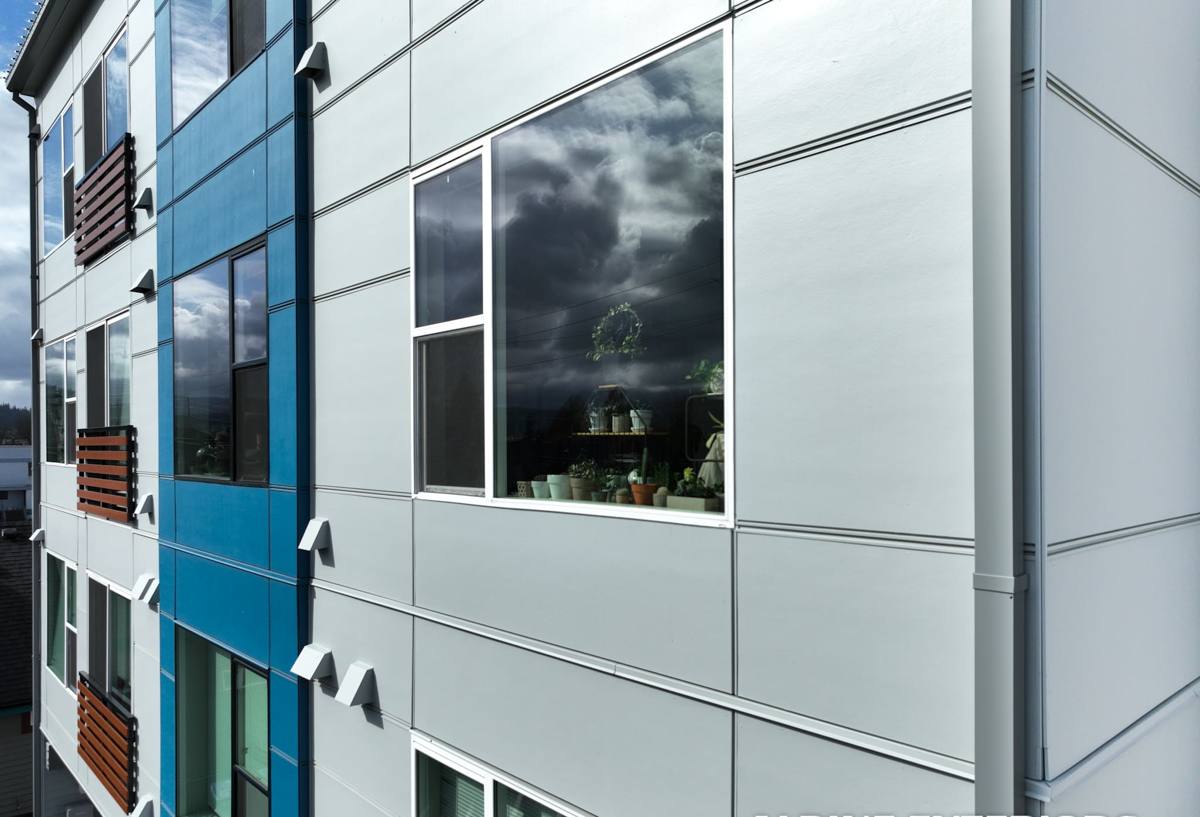
What Bellingham's Climate Does to Windows Over Time
Salt air and hardware
Homes closer to the water pick up airborne salt that corrodes untreated fasteners, weakens weep systems, and pits lower-grade aluminum components. It's slow damage — you won't see it in year one — but it shows up as stiff locks, pitted tracks, and frames that don't seal the way they used to.
Driving rain and wind-driven water
Bellingham gets plenty of rain that falls straight down and causes no trouble at all. It's the sideways rain — pushed by wind off the bay — that finds every gap in a poorly flashed window. Water doesn't need a big opening to get in; it needs a path, and a rushed installation almost always leaves one.
Moss season and sustained moisture
For a good stretch of the year, humidity around Bellingham stays high enough that anything organic near your siding grows moss and algae. That moisture doesn't just sit on the surface — it stays in contact with window trim, sills, and the wall assembly behind them longer than in drier climates. Wood trim that isn't properly primed and sealed, or a sill that doesn't shed water fast, will show rot years before it should.
Signs a Birchwood Home May Need New Windows
Most homeowners don't call about windows until something's obviously wrong, but the earlier signs are usually visible if you know where to look.
- Fogging or a visible haze between panes — the seal on the insulated glass unit has failed
- Windows that are hard to open, close, or lock, especially after damp weather
- Soft or discolored wood at the sill or bottom corners of the frame
- Visible daylight or a noticeable draft around the frame edge
- Condensation forming on the inside of the glass regularly, even with normal ventilation
- Peeling paint or bubbling finish concentrated around the window opening, not the whole wall
- A noticeable rise in heating costs with no other explanation
Any one of these can be minor. Two or three together, especially on windows facing prevailing weather, usually means the installation or the unit itself is past the point of a quick fix.
What a Correct Window Installation Actually Involves
Setting a new window into an opening looks simple from the outside, but the parts nobody sees are what determine whether it lasts 20 years or leaks in three.
Sill pan and flashing
Before a window ever goes in, the rough opening needs a sloped, sealed sill pan so any water that gets past the window has somewhere to go — out, not into the wall. Flashing tape needs to integrate with the house wrap in the correct shingle-lap order (each layer overlapping the one below it) so water is always directed outward and down, never trapped behind a layer.
Air sealing and insulation
The gap between the window frame and the rough opening needs to be sealed and insulated correctly — not overpacked with rigid foam that can bow the frame, and not left with gaps that create drafts and cold spots. This is also where a lot of energy loss either gets fixed or gets built in for another 20 years.
Fastening and squaring
A window that isn't shimmed and fastened square will operate poorly from day one — sashes that bind, locks that don't line up, weep holes that end up on the wrong side of level. It's a five-minute check that a rushed crew skips.
Exterior finish and sealant
The visible caulk line is the last line of defense, not the first. It matters, but a window that depends on caulk alone to stay dry is a window that will eventually leak.
Choosing the Right Window for a Birchwood Home
Birchwood, like much of Bellingham, has a mix of home ages and styles, so there's no single "right" window for every house. The honest answer depends on the home's age, exposure to weather, and how much upkeep you want to take on.
| Frame Material | How It Handles This Climate | Maintenance |
|---|---|---|
| Vinyl | Good moisture resistance, no corrosion risk from salt air, stable seals | Low — occasional cleaning |
| Fiberglass | Very stable in temperature and moisture swings, holds up well long-term | Low — occasional cleaning |
| Wood (clad exterior) | Attractive, but exterior cladding must stay intact to protect the wood core from constant moisture | Moderate — monitor cladding and seals |
| Aluminum (older/uncladded) | Prone to corrosion and condensation in salt-air, high-humidity settings | Higher — hardware and seals need regular attention |
We're not going to tell you a product is "bad" — every material has a place. Our standard is that we won't install something we know is a poor match for this climate without being upfront about the trade-off. For a home exposed to salt air and driving rain, we lean toward vinyl or fiberglass for the frame, and we're careful about hardware finish and glazing specs regardless of material.
Glass and performance
Double-pane, low-E glass with argon fill is the practical baseline for this area — it manages both our wet winters and the condensation risk that comes with tight, well-insulated homes. Triple-pane can make sense on a home with heavy west or water-facing exposure, but it's a cost-versus-benefit conversation, not an automatic upgrade for every window.
Our Process for Birchwood Window Installations
- On-site assessment: We look at each opening individually — sill condition, existing flashing (if any is visible), sun and wind exposure, and how the home has handled moisture historically.
- Honest scope and estimate: You get a written estimate that separates the window unit cost from labor, so you can see where the money goes and compare it against other quotes fairly.
- Removal and inspection: Old windows come out carefully so we can inspect the rough opening and framing underneath — this is often where hidden rot or past water damage shows up.
- Correct flashing and sill pan: Every opening gets a sloped sill pan and properly lapped flashing before the new window goes in, regardless of whether the old one had it.
- Install, square, and seal: The window is shimmed level and square, insulated correctly, fastened per manufacturer spec, and finished with the right exterior sealant.
- Walkthrough: We test operation, check the seal, and walk the job with you before we consider it done.
Cost Factors for Window Installation
Every home is different, so a real number only comes from an on-site estimate. That said, the main factors that move price up or down are consistent from job to job.
| Factor | Why It Matters |
|---|---|
| Number of openings | More windows means more labor and material, though per-window cost often drops slightly on larger jobs |
| Frame material | Vinyl is typically the most budget-friendly; fiberglass and wood-clad cost more upfront |
| Condition of the existing opening | Rot or past water damage found during removal adds repair work before the new window can go in |
| Window size and configuration | Large picture windows, bays, or custom shapes cost more than standard operable sizes |
| Access and height | Second-story or hard-to-reach windows take more time and equipment |
We'd rather flag a potential cost driver — like suspected rot behind an old sill — during the estimate than surprise you with it mid-project.
Why a Crew That Already Works in Birchwood Matters
A window installer who works Bellingham regularly already knows what this climate does to a house — they're not learning it on your job. That means recognizing early signs of moisture damage before they're obvious, knowing which flashing details actually hold up against wind-driven rain off the bay, and not being surprised by a moss-damp sill hiding rot that a homeowner never noticed. It also means someone who's still around next year if a question comes up, not a crew that moved on to the next region.
For a neighborhood like Birchwood, with a real mix of home vintages, that local knowledge shows up in small decisions throughout a job — how much moisture allowance to build into a sill detail, whether an opening needs extra attention before the new window goes in, what's worth upgrading now versus later.
Caring for New Windows After Installation
New windows installed correctly need very little from you, but a few habits extend their life in this climate:
- Rinse frames and tracks periodically to clear salt residue and grit, especially on homes closer to the water
- Keep weep holes clear of debris so water can drain out as designed
- Check exterior caulk lines once a year for cracking or separation and have them touched up if needed
- Keep gutters and downspouts clear so runoff isn't sheeting directly down over window openings
- Address any moss or algae buildup on nearby siding or trim promptly, before it holds moisture against the wall
Get a Free, No-Pressure Estimate
If your Birchwood home has windows that are drafty, fogged, sticking, or just old enough that you're wondering, we're happy to take a look and give you an honest read — no pressure, no upsell script. Fill out the form below and we'll set up a time to come by.