 Bellingham
 Siding in Cordata Has to Work Against Real Conditions
Cordata sits close enough to the water and the lowland weather patterns that move through Whatcom County to take on the same punishment as the rest of Bellingham: salt-tinged air drifting off Bellingham Bay and the Strait, long stretches of driving rain off the Pacific, and a moss and mildew season that can run most of the year on shaded north- and west-facing walls. None of that is exotic weather. It's just relentless. Siding here doesn't fail because of one bad storm — it fails slowly, from years of moisture finding small gaps and organic growth holding water against the wall longer than it should.
That's the lens we use when we talk about siding for this neighborhood. The right product and the right installation details matter more here than they would in a drier climate, because there's less margin for error and less time between wet spells for anything to fully dry out.
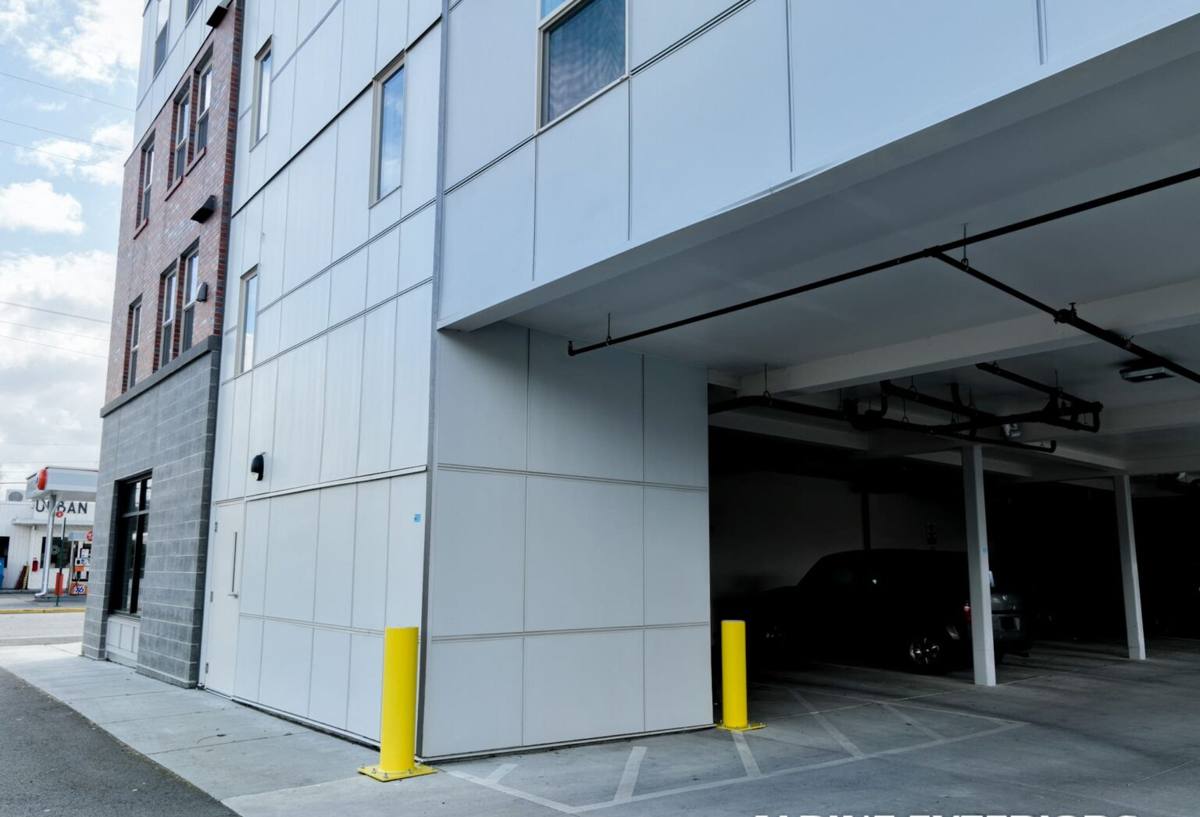
Why We Only Install James Hardie Fiber Cement
We don't install LP SmartSide, vinyl, Cemplank, Allura, primed spruce, or cedar. That's not a marketing position — it's a standard we set after weighing how each of those products actually holds up under the conditions Cordata homes see year-round.
- Vinyl expands and contracts with temperature swings, can warp or crack in wind-driven rain events, and its seams give moisture a path behind the cladding over time.
- Wood products (cedar, primed spruce) look good going up, but in a climate with this much sustained moisture and moss pressure, they need repainting, caulking, and vigilant maintenance to avoid rot — maintenance that's easy to fall behind on.
- Engineered wood siding (LP SmartSide) is a legitimate product, but it's wood-based, which means edge-swelling and moisture sensitivity are still a factor if flashing or caulking details aren't perfect and stay perfect for decades.
- Other fiber cement brands (Cemplank, Allura) are dimensionally similar to Hardie, but we've standardized on one system so our crew's installation knowledge, flashing details, and warranty support are consistent on every job — and so we can vouch for the finish and the manufacturer backing it.
James Hardie fiber cement is non-combustible, dimensionally stable in wet-dry cycling, and available in a version engineered specifically for our climate. That combination is why it's the only product we put on a wall.
What Cordata Homes Specifically Need From Their Siding
Moisture Management First
The single biggest factor in how long any siding lasts here isn't the material — it's whether water that gets behind the cladding (and some always will, eventually) has a way to drain and dry out. That means a correctly lapped weather-resistant barrier, properly flashed windows and doors, and drainage details at every horizontal transition. Fiber cement gives us a stable, dimensionally consistent surface to build that system on; it doesn't solve the problem by itself.
Standing Up to Moss and Organic Growth
Shaded elevations and roof-to-wall intersections in Cordata collect moss and algae faster than sun-exposed walls. James Hardie's factory-applied ColorPlus finish resists mildew growth better than field-applied paint, and because the substrate itself is cement-based rather than organic, it doesn't feed rot the way wood-based siding can if moisture sits against it.
Handling Wind-Driven Rain
Storms moving in off the water don't just fall straight down — they push rain sideways into wall assemblies, especially on gable ends and upper stories. Fastener placement, panel gapping, and caulking at joints all matter more under that kind of exposure than they would in a calmer climate. This is where installation quality outweighs the product spec sheet.
The HZ5 Product Line: Built for This Region
James Hardie makes climate-engineered versions of its siding, and for Western Washington that means the HZ5 product line. It's formulated and tested for regions with significant moisture exposure and freeze-thaw cycling, which fits Whatcom County's weather pattern better than the standard product line built for drier, hotter climates. We install HZ5 as our default for Cordata for that reason — it's the version of the product actually engineered for what this neighborhood's walls experience.
What a Correct Installation Actually Involves
Fiber cement siding is only as good as the installation behind it. A rushed or generic install can undercut even the best product. Here's what we treat as non-negotiable on every Cordata job:
- Full inspection and, where needed, repair of the sheathing and weather barrier before any siding goes up — covering good siding over a compromised wall just hides the problem
- Correct water-resistive barrier lapping, shingle-style, so water is always directed outward and down
- Properly flashed and integrated window and door openings, not just caulked at the trim
- Manufacturer-specified fastener type, spacing, and penetration depth — under- or over-driven fasteners are a common cause of early failure
- Correct clearance from grade, decks, patios, and roof lines so siding isn't sitting in standing water or splash-back zones
- Factory-cut and factory-primed edges used wherever possible, with any field cuts sealed per Hardie's specifications
- Proper panel gapping and joint treatment to allow for material movement without opening a moisture path
Every one of those steps is inspectable, and we walk homeowners through them rather than treating installation as a black box.
Our Process on a Cordata Job
1. On-Site Assessment
We look at the whole exterior, not just the siding — trim, flashing, roofline intersections, grading, and any existing moisture or moss issues that need addressing before new material goes up.
2. Scope and Product Plan
We spec the right HZ5 profile, ColorPlus color, and trim package for the home, and lay out exactly what prep work (sheathing repair, barrier replacement, flashing corrections) is included.
3. Prep and Tear-Off
Old siding comes off, the wall assembly gets inspected and repaired as needed, and the weather-resistive barrier goes on correctly before a single piece of new siding is hung.
4. Installation
Siding, trim, and flashing go up to Hardie's fastening and clearance specifications, with attention to the wind and moisture exposure specific to the home's orientation.
5. Final Walkthrough
We review the finished work with the homeowner, confirm clearances and details are correct, and go over what maintenance — if any — the ColorPlus finish will need going forward.
Comparing the Options for a Cordata Home
| Factor | James Hardie HZ5 Fiber Cement | Vinyl | Wood / Engineered Wood |
|---|---|---|---|
| Moisture resilience | High — cement-based, won't rot | Moderate — seams can leak, doesn't rot but can warp | Lower — needs consistent sealing to prevent rot/swelling |
| Moss/mildew resistance | Factory finish resists growth | Grows algae film over time | Prone to moss and mildew without upkeep |
| Wind-driven rain performance | Strong when installed to spec | Can flex/crack under sustained wind loads | Depends heavily on sealant maintenance |
| Maintenance | Occasional wash, no repainting for years | Low, but limited repair options if damaged | Regular repainting/caulking required |
| Fire resistance | Non-combustible | Combustible | Combustible |
Cost Factors for This Neighborhood
We don't publish blanket per-square-foot pricing because every Cordata home is different, but the main cost drivers are consistent from job to job:
| Factor | Why It Matters |
|---|---|
| Wall condition underneath | Rot or water damage found during tear-off adds repair scope before new siding can go on |
| Home size and complexity | Gables, dormers, and multiple stories add cutting, flashing, and access time |
| Trim and accessory package | Corner boards, window trim, and fascia details affect both material and labor |
| Siding profile and color | Lap width and ColorPlus color selection are priced differently by James Hardie |
| Access and site conditions | Landscaping, fencing, and lot layout affect staging and scaffolding needs |
What to Ask Before You Hire Anyone
Whatcom County has plenty of exterior contractors, but not all of them install fiber cement to spec, and not all of them work this neighborhood regularly enough to know its specific exposure patterns. Before hiring, ask:
- Are they James Hardie certified or specifically experienced with fiber cement installation — not just siding in general?
- Will they inspect and address the wall assembly and weather barrier, not just install over what's there?
- Do they use manufacturer-specified fasteners, gapping, and clearances, and can they explain why?
- Do they carry proper licensing and insurance for exterior work in Washington?
- Can they speak to how the job will handle this area's rain and moss exposure specifically?
A crew that already works in and around Cordata has already worked out how the local exposure — bay-driven wind, rain angle, shaded elevations — should change flashing and detailing decisions on a given house. That's not something a generalist crew from outside the area necessarily brings on day one.
Longevity and What to Expect Afterward
Installed correctly, James Hardie fiber cement is built to hold its color and structural integrity for decades, backed by a transferable limited warranty from the manufacturer. In Cordata's climate, that mostly comes down to two things staying true over time: the flashing and drainage details doing their job, and the ColorPlus finish being left to do what it's designed to do rather than compromised by field-painting or damage. Homeowners generally see very little upkeep beyond an occasional rinse to clear pollen, dust, or the start of surface algae before it has a chance to establish.
If you're planning a siding project in Cordata, we're happy to walk your home, point out anything worth knowing about its exposure, and give you a straightforward, no-pressure estimate — just fill out the form below.