 Bellingham
 Decks in Sehome Take a Different Kind of Beating
Sehome sits close enough to the water and to Bellingham's shifting weather patterns that decks here age differently than they would somewhere drier and inland. It isn't one big storm that wrecks a deck in this neighborhood — it's the slow, steady combination of salt-tinged air, long stretches of driving rain, and a moss season that can run from fall clear through spring. Individually, none of those is dramatic. Together, over several years, they find every weak point in a deck's construction.
We work on decks all over Bellingham and Whatcom County, and the repair calls we get from Sehome tend to follow a pattern: fastener corrosion, ledger board moisture damage, and decking boards that look fine on top but are soft or spongy underneath. None of that means a deck was built badly — it usually just means it was built for average conditions, not this specific climate.
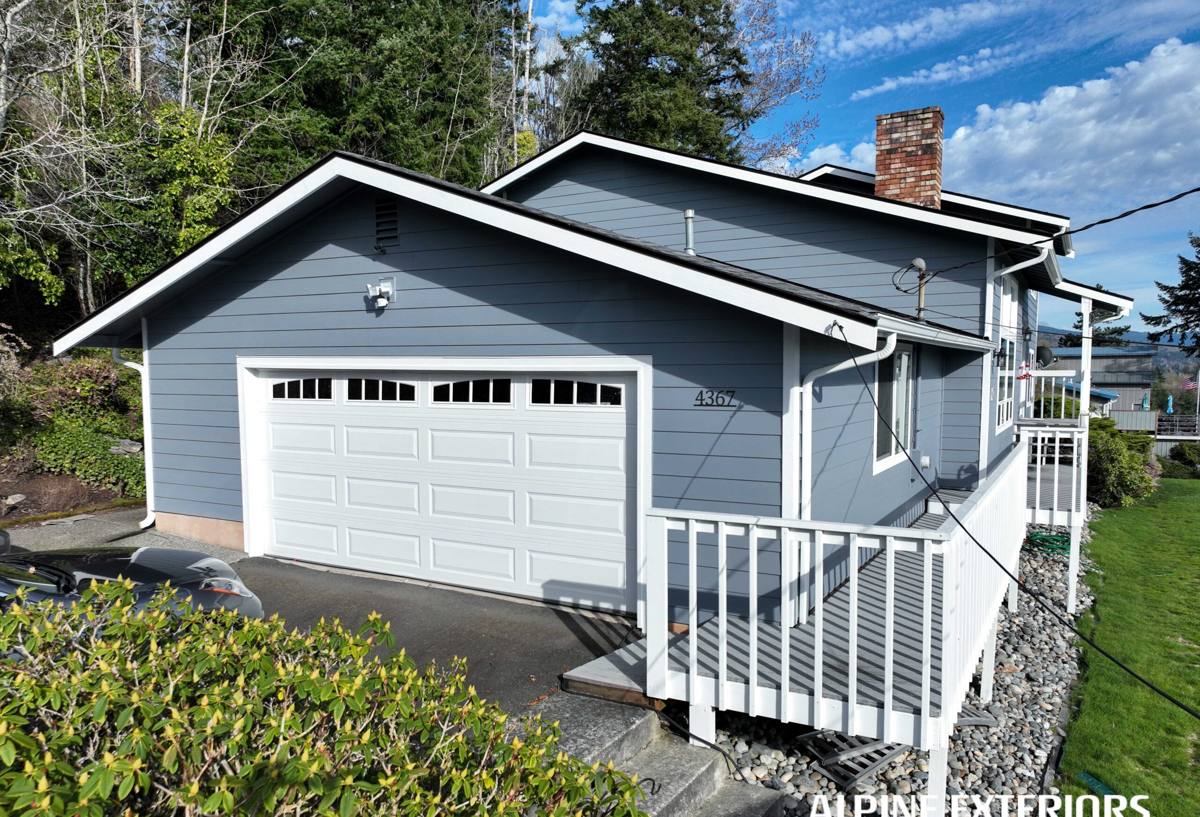
Why This Climate Is Hard on Deck Structures
Salt Air and Metal Fatigue
Even a few miles from saltwater, airborne salt accelerates corrosion on anything metal — nails, screws, joist hangers, bolts. Once a fastener starts rusting, it swells slightly and creates a bigger gap around itself, which lets in more moisture, which speeds up the rust. It's a slow feedback loop, and it's usually invisible until a board starts to wiggle or a railing feels less solid than it used to.
Driving Rain and Water That Doesn't Just Fall Straight Down
Bellingham rain often comes in sideways, pushed by wind off the water. That matters for decks because it drives moisture into places that were only ever designed to shed water falling straight down — under railings, behind ledger boards, into the end grain of joists. End grain soaks up water far faster than the face of a board, so the cut ends and fastener holes are almost always where rot shows up first.
A Moss Season That Runs Half the Year
Whatcom County's damp, shaded stretches mean moss and algae can establish on a north-facing or tree-covered deck and just stay there for months. Moss holds moisture directly against the wood surface far longer than open air would, softens the top layer of the board, and creates a genuinely slick, dangerous walking surface — especially on stairs.
Common Sehome Deck Problems We Actually Find
- Ledger board rot where the deck attaches to the house, usually from missing or failed flashing
- Corroded fasteners and hangers that have lost grip strength even though the wood around them looks okay
- Soft or spongy decking boards, particularly near the house or under permanent furniture and planters
- Moss-covered stair treads that have become a slip hazard rather than just a cosmetic issue
- Railing posts loosening at the base, often the first sign of a bigger moisture problem below deck level
- Undersized or failing joists on older decks built before current span and moisture standards
What an Honest Deck Repair Actually Involves
A lot of "deck repair" in this climate gets treated as a cosmetic job — pressure wash it, replace a board or two, call it done. That approach hides problems instead of fixing them, and on a deck that's been dealing with years of coastal moisture, it usually means the same rot shows back up within a season or two.
Structural Inspection First
Before we touch a single board, we check the framing underneath: joists, beams, posts, and especially the ledger board connection to the house. This is where the deck's actual strength lives, and it's also where hidden rot does the most damage since it's rarely visible from the top.
Flashing and Water Management
If the ledger board is compromised, it's almost always a flashing issue — water getting behind the board where the deck meets the house. A proper repair fixes the water path, not just the wood that rotted because of it. Skipping this step is the single most common reason deck repairs fail early.
Fastener and Hardware Replacement
Corroded fasteners get replaced with hardware rated for the exposure, not just whatever matches what's already there. Reusing a rusted joist hanger to save a few dollars is a false economy on a deck that sees this much moisture.
Board-by-Board vs. Full Resurfacing
Sometimes the honest answer is replacing a handful of damaged boards. Sometimes so much of the surface has been affected by years of moss and moisture that a full resurfacing makes more sense structurally and financially. We'll tell you which situation you're actually in, and why, before any work starts.
Repair or Replace? What Actually Drives That Decision
Homeowners often assume any deck with rot needs to be torn out entirely. That's not usually true — but it depends on where the damage is and how far it's spread.
| Factor | Leans Toward Repair | Leans Toward Replacement |
|---|---|---|
| Framing condition | Joists and beams are solid, damage is isolated | Multiple structural members are soft or compromised |
| Ledger board | Sound, or fixable with flashing correction | Rotted through or pulling away from the house |
| Age of the deck | Built within the last 15-20 years to reasonable standards | Older construction with outdated fastening or span methods |
| Extent of moss/rot damage | Limited to a few boards or one shaded section | Widespread across most of the deck surface |
| Railings and stairs | Solid connections, cosmetic wear only | Loose posts, failing stringers, safety concerns |
In practice, most of the calls we get in Sehome fall somewhere in the middle — a deck that's structurally sound overall but has a rot problem concentrated in one or two areas. That's the best-case scenario for a repair, and it's more common than a full teardown.
Our Process for a Sehome Deck Repair
- On-site inspection of the full structure — framing, ledger, fasteners, decking, railings, and stairs
- Straightforward explanation of what's actually wrong, what's cosmetic, and what's structural
- Written estimate that separates repair scope from anything we'd flag as optional
- Correction of the underlying moisture or fastening issue, not just the visible symptom
- Replacement of damaged boards, framing members, or hardware as needed
- Final check of railings, stairs, and any slip-prone surfaces before we consider the job done
Materials: Honest Tradeoffs, Not Sales Pitches
There's no single "best" decking material for this climate — there are tradeoffs, and we'd rather explain them than push one option.
Pressure-Treated Lumber
Still the most economical option and performs well if flashing and fastener choices are done right. It does require ongoing sealing or staining to keep moisture out of the surface, which is a maintenance commitment some homeowners underestimate.
Cedar
Naturally more rot-resistant than untreated lumber and holds up well against local moisture, but it's a softer wood — it dents and wears faster underfoot and needs regular finish maintenance to keep that resistance intact.
Composite Decking
Composite boards resist rot and don't need staining, which appeals to homeowners tired of the maintenance cycle. The tradeoff is a higher upfront cost, and composite still depends entirely on solid framing and correct fastening underneath — it doesn't fix a structural problem, it just changes what's on top of it.
Whichever material a repair uses, we match it to the framing method and fastener spec that material actually calls for. Mixing mismatched hardware with a given decking type is a common source of early failures we see on older repairs done elsewhere.
Managing Moss and Slip Risk Long-Term
Moss removal by itself is a short-term fix if the conditions that grew it haven't changed. Where it makes sense, we'll talk through simple things that reduce moss return — trimming back overhanging shade, improving drainage off the deck surface, and choosing a finish or board type that sheds moisture rather than holding it. None of that eliminates moss entirely in a climate like this, but it stretches out the time between cleanings and reduces how much moisture gets trapped against the wood in between.
Signs Your Sehome Deck Needs a Repair Estimate
- Boards that flex, feel soft, or sound hollow when walked on
- Visible gaps, rust streaks, or popped fastener heads
- A railing post that moves when pushed
- Persistent moss or dark staining that keeps coming back after cleaning
- Any daylight or gap visible where the deck meets the house
- Stairs that feel less solid than they used to, especially at the base
Any one of these on its own might be minor. A few of them together usually means the underlying moisture problem has been building for a while.
Why It Matters That We Already Work in Sehome
A crew that repairs decks across Bellingham and Whatcom County on a regular basis has already seen how this specific mix of salt air, wind-driven rain, and moss season plays out on real houses, not just in a manual. That means fewer surprises during inspection, a faster read on whether a problem is cosmetic or structural, and repair choices that account for what this climate will keep doing to the deck after we leave — not just what fixes it today.
If your deck in Sehome has soft boards, a rust problem, persistent moss, or just doesn't feel as solid as it used to, we're glad to take a look. Estimates are free, there's no pressure to act on them right away, and you'll get a straight answer about whether you're looking at a repair or something bigger. Use the form below to get a visit scheduled.