 Bellingham
 Why Windows Fail Faster in Fairhaven
Fairhaven sits close enough to the water that its homes take a different kind of weather beating than houses further inland in Whatcom County. Salt-laden air off Bellingham Bay works its way into window hardware, fasteners, and metal cladding over time, accelerating corrosion in ways that inland neighborhoods just don't see as much. Add in driving rain that comes sideways off the water during winter storms, and any weak point in a window's flashing or seal becomes an entry point for moisture.
Then there's the moss and mildew season, which in this part of Bellingham can stretch from fall through spring. Constant damp, shaded conditions around mature trees and older lots let organic growth take hold on sills, tracks, and exterior trim. None of this means Fairhaven homes need exotic solutions — it means the basics have to be done correctly, with materials and installation details chosen for a marine climate rather than a generic install.
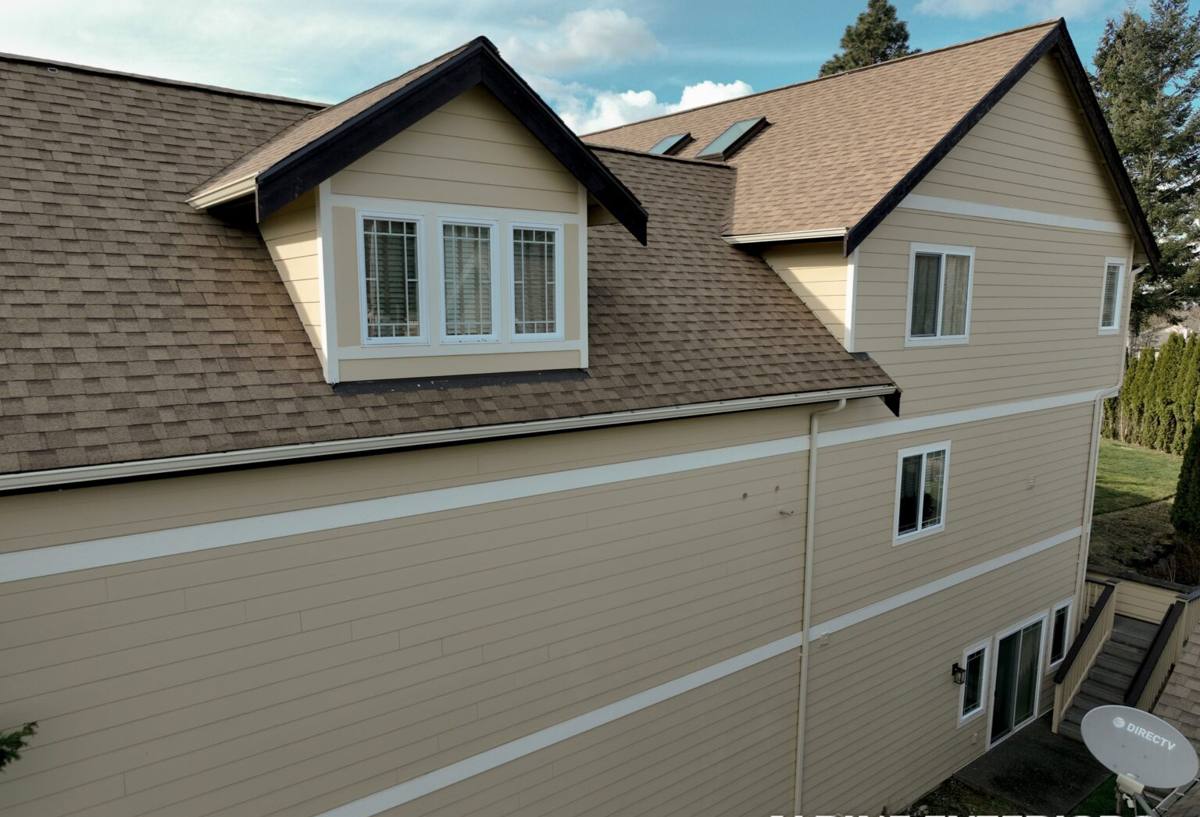
Common Signs a Fairhaven Home Needs Replacement Windows
A lot of the homes in and around Fairhaven have real character — older wood-frame construction, some with historic detailing from the neighborhood's early-1900s roots. That character is worth preserving, but original or early-replacement windows in these homes are often decades past their useful service life. Here's what we typically see when we walk a Fairhaven property:
- Wood sashes that are soft, discolored, or show visible rot at the bottom corners
- Fogging or moisture trapped between panes on older dual-pane units — a sign the seal has failed
- Windows that are difficult to open, won't stay up, or rattle in the wind
- Visible gaps between the window frame and siding where caulking has shrunk or cracked
- Noticeable drafts or cold spots near windows during winter storms
- Persistent condensation on the inside of the glass, which points to poor insulating performance
- Moss or dark staining building up on sills and lower trim that keeps returning after cleaning
Any one of these on its own might just need a repair. Several of them together, especially on a home more than 25-30 years old, usually means the windows as a system are past the point where patching makes sense.
What a Correct Window Replacement Actually Involves
Window replacement gets sold as a simple swap, but the difference between a window that lasts 20+ years in this climate and one that fails in five almost always comes down to what happens before the new window ever goes in the opening.
Removal and Inspection
We remove the old window carefully and inspect the rough opening for hidden rot, especially at the sill and lower corners, which is where water damage shows up first in a marine climate. If we find compromised framing, that gets addressed before anything new goes in — installing a new window over damaged wood just hides the problem.
Flashing and Moisture Management
This is the step that matters most for homes exposed to driving rain. Proper flashing directs water that gets behind the siding back out and away from the framing, rather than letting it pool at the sill. A window that looks fine on day one but was flashed incorrectly can lead to rot inside the wall that isn't visible until it's a much bigger repair.
Sealing and Insulation
Gaps around the new frame get properly insulated and sealed, not just caulked on the surface. This affects both energy performance and how well the window resists wind-driven rain during winter storms.
Finish Work
Interior and exterior trim gets reinstalled or replaced so the window looks finished and, just as important, so there are no exposed edges where water or moss can start working their way in.
Choosing the Right Window Material for a Marine Climate
There's no single "best" window material for every home — it depends on your budget, the home's style, and how much upkeep you want to take on. Here's how the common options compare for a coastal Bellingham setting:
| Material | Moisture Resistance | Maintenance | Best Fit |
|---|---|---|---|
| Vinyl | Very good — won't rot, resists salt air well | Low — occasional cleaning | Most homes, especially where budget matters |
| Fiberglass | Excellent — very stable, minimal expansion/contraction | Low | Homes wanting a long-term, low-maintenance upgrade |
| Wood-clad | Good if detailing is correct, but sensitive to installation quality | Higher — exterior cladding still needs periodic attention | Historic-character homes where wood interior sightlines matter |
| Aluminum | Fair — prone to condensation and corrosion near salt air over time | Moderate | Generally not our first recommendation this close to the water |
We're generally cautious about bare aluminum-frame windows for anything within a few miles of Bellingham Bay. It's not that the product is bad everywhere — it's that aluminum conducts cold and is more prone to condensation and long-term corrosion in salt-air conditions, which becomes a maintenance headache for homeowners who'd rather not deal with it. For homes where wood interior trim is important to the look, wood-clad exterior windows are a legitimate option, but we're upfront that they carry a higher maintenance commitment than vinyl or fiberglass, and we make sure the exterior cladding and flashing details are done right the first time.
Glass and Performance Options Worth Knowing
Beyond frame material, the glass package makes a real difference in a climate with this much rain and gray weather. Dual-pane glass with a low-emissivity (Low-E) coating and argon gas fill is standard on most quality replacement windows today, and it's worth it — it cuts heat loss, reduces condensation on the interior glass, and helps with the fading that constant daylight causes on furniture and flooring even on cloudy days. For homes closer to street noise or with west-facing exposure, we'll talk through whether a higher-performance glass package makes sense for your specific situation.
Our Process, Start to Finish
We keep the process straightforward because homeowners deserve to know what's happening at every stage:
- Free on-site estimate — we walk the exterior and interior of each window, check for rot or moisture damage, and talk through material and glass options for your home and budget.
- Written proposal — a clear scope of work and pricing, no vague allowances.
- Scheduling — we plan around Whatcom County's weather patterns to avoid installing during the worst of the wet season whenever possible.
- Removal and prep — old windows come out, openings are inspected and repaired as needed.
- Installation — new windows are set, shimmed level and plumb, flashed, and sealed.
- Finish and cleanup — trim work completed, worksite cleaned, and old windows hauled away.
- Walkthrough — we go over the finished work with you before calling the job done.
What Affects the Cost of Window Replacement
Every home is different, but these are the main factors that move the price up or down:
| Factor | Why It Matters |
|---|---|
| Number and size of windows | More or larger openings mean more material and labor |
| Frame material | Vinyl is typically the most budget-friendly; fiberglass and wood-clad cost more |
| Glass package | Standard dual-pane Low-E versus upgraded performance glass |
| Condition of the rough opening | Rot repair or reframing adds labor beyond a standard swap |
| Access and second-story work | Harder-to-reach windows take more time and equipment |
| Historic or architectural detailing | Matching existing trim profiles on older homes can add time |
We don't publish a flat per-window price because these variables genuinely change the number — but we'll give you a straight, itemized estimate after seeing the actual windows, not a vague range over the phone.
Living With Your New Windows in a Wet Climate
New windows still need some basic upkeep to get their full lifespan in this environment:
- Rinse sills and tracks periodically to keep moss and organic debris from building up
- Check exterior caulking annually, especially after winter storms, and touch up as needed
- Keep gutters and downspouts clear so water isn't sheeting down over window heads
- Trim back vegetation that keeps windows shaded and damp longer than necessary
- Operate hardware (locks, cranks, hinges) a few times a season so mechanisms don't seize
None of this is heavy maintenance — it's the kind of thing that takes minutes but adds years to a window's service life in a marine climate.
Why Local Experience in Fairhaven Matters
A crew that only occasionally works this close to the water will design and install the same way they would forty miles inland. A crew that regularly works Fairhaven and the rest of Bellingham knows which details actually matter here — flashing that accounts for driving rain, hardware and fastener choices that hold up to salt air, and scheduling that respects how wet the region gets for months at a time. We also understand the character of Fairhaven's older housing stock and how to match new windows to a home's existing look rather than making it feel like an obvious retrofit.
If you're ready for a straight answer about your windows — whether that means full replacement, targeted repairs, or just an honest "not yet" — we're glad to come take a look. Reach out for a free, no-pressure estimate using the form below.