 Bellingham
 Why Sehome Roofs Wear Differently
Sehome sits close enough to Bellingham Bay that salt-laden air is a constant factor in how a roof ages here, not an occasional one. Add Whatcom County's long stretch of driving rain from fall through spring, plus a moss season that can run eight months or more under our tree cover and cloud ceiling, and you get a roofing environment that punishes shortcuts. A roof system that would hold up fine in a dry inland climate can fail years early here if it wasn't built for this combination of moisture, wind-driven rain, and biological growth.
That's the lens we bring to every roof replacement in Sehome: not just "put new shingles on," but building a system — decking, underlayment, flashing, ventilation, and surface material — that's matched to what this specific neighborhood's weather actually does to a roof over twenty, thirty, or more years.
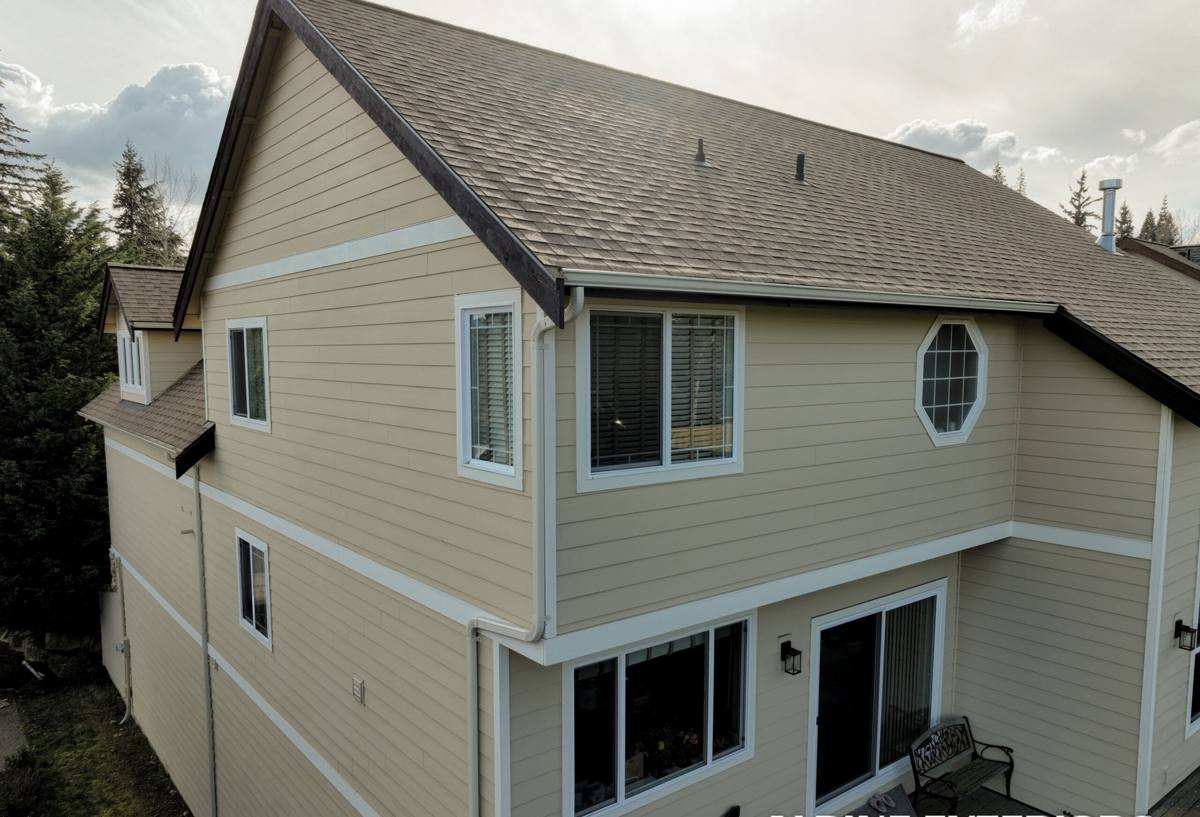
Signs Your Sehome Home Needs a Replacement, Not Just a Repair
Homeowners often call us wanting a patch, and sometimes that's the right call. But there's a point where repeated repairs cost more over time than a properly planned replacement, and where patching a symptom leaves the underlying problem — usually moisture getting somewhere it shouldn't — to keep working on your sheathing and framing. Here's what tends to separate a repair situation from a replacement situation:
- Shingles that are curling, cupping, or losing granules across large sections of the roof, not just one isolated spot
- Heavy moss growth that's lifted shingle edges or worked its way under tabs, which traps moisture against the roof deck
- Daylight, water stains, or a musty smell in the attic, especially near valleys or chimney flashing
- A roof that's 20+ years old, since even quality shingles reach the end of their service life around then in this climate
- Sagging or soft spots underfoot when walked, which usually points to deck damage rather than a surface problem
- Multiple past repairs in different spots within a short span, suggesting the roof as a whole is failing rather than one section
If only one or two of these apply and the roof is otherwise sound, a targeted repair is often the honest answer. We'll tell you that if it's true — a full replacement isn't the right recommendation for every roof that walks through the door.
Choosing the Right Roofing Material for Bellingham's Marine Climate
There's no single "best" roofing material — there's a best fit for your home's roof pitch, your budget, and how much long-term maintenance you're willing to commit to. In a climate defined by rain volume and moss pressure, the differences between materials matter more than they would somewhere drier.
| Material | Moss/Algae Resistance | Typical Lifespan Here | Trade-Offs |
|---|---|---|---|
| Standard asphalt composition shingle | Moderate; benefits from algae-resistant granules | 18–25 years | Most affordable upfront; needs periodic moss removal to hit full lifespan |
| Algae-resistant / zinc-granule shingle | Good; zinc granules slow moss and algae growth | 25–30 years | Modest cost premium; still benefits from occasional cleaning |
| Standing seam metal | Very good; smooth surface sheds debris and resists moss anchoring | 40–50+ years | Higher upfront cost; requires a crew experienced with metal detailing |
| Cedar shake | Poor without diligent upkeep; absorbs moisture and holds organic debris | Varies widely with maintenance | Attractive but high maintenance burden in this rainfall pattern; we're upfront about that trade-off |
We're not going to tell you cedar shake is a bad product — plenty of homeowners love the look and maintain it well. But we are going to tell you honestly that in a climate with this much sustained moisture, it demands a maintenance commitment that asphalt or metal doesn't, and we'll help you weigh that against your priorities rather than just install what's easiest to sell.
Zinc and Copper Strips
For roofs with heavy moss pressure — common on shaded Sehome lots with mature tree cover — we'll often discuss zinc or copper ridge strips as part of the plan. Rain washing over these metals releases trace amounts that inhibit moss and algae growth down-slope, which can meaningfully extend the time between cleanings on an otherwise moss-prone roof.
What a Correct Roof Replacement Actually Involves
A roof replacement is really several smaller systems working together, and skipping or under-building any one of them is where premature failures come from.
Deck Inspection and Repair
Once the old roofing is off, we inspect the plywood or plank decking underneath for soft spots, delamination, or rot — problems that are invisible until the surface material is removed. Any compromised decking gets replaced before anything new goes down. Skipping this step to save time is one of the most common ways a "new roof" fails within a few years.
Underlayment and Ice-and-Water Shield
Given how much wind-driven rain this area sees, underlayment quality isn't a place to cut corners. We install synthetic underlayment across the full deck, with self-adhering ice-and-water shield membrane at eaves, valleys, and around penetrations — the spots where water is most likely to find a way in during a sideways rainstorm.
Flashing
Flashing around chimneys, skylights, sidewalls, and valleys is where the majority of roof leaks actually originate, not in the field of the shingles themselves. We replace flashing as part of a full replacement rather than reusing old, corroded pieces, and we detail it to shed water correctly under sustained rain, not just light drizzle.
Ventilation
Proper intake and exhaust ventilation keeps your attic dry and temperature-balanced, which protects the new roof from the underside and helps prevent condensation-driven moisture problems — a real risk in our humid, mild-winter climate. We evaluate existing ventilation during every replacement and correct it where it's inadequate.
Moss, Algae, and Long-Term Maintenance
Even a well-built roof in Sehome will see some moss and algae activity over its life — it's a function of shade, humidity, and the length of our wet season, not a sign of a bad installation. What changes with a correct build is how much that growth actually threatens the roof. Properly fastened, well-flashed shingles with good drainage paths and possibly zinc strips will shed moss growth on the surface rather than letting it work under the shingle edges and hold moisture against the deck. We'll walk you through simple, roof-safe maintenance habits — gentle removal rather than aggressive pressure washing, which can strip granules and shorten shingle life.
Our Roof Replacement Process
- On-site inspection — we assess the existing roof, decking condition where visible, ventilation, and any trouble spots before recommending a scope of work
- Written estimate — clear pricing covering materials, tear-off, disposal, and any anticipated decking repair, with real ranges rather than vague allowances
- Material selection — we walk through the options that fit your budget and the home, including moss-resistance features where relevant
- Tear-off and deck inspection — full removal of old roofing, with any damaged decking identified and replaced
- Underlayment, ice-and-water shield, and flashing installation — the moisture-management layer that does most of the real work
- New roofing material installed to manufacturer specifications, including proper nailing patterns and exposure for our wind and rain conditions
- Ventilation correction where needed, and ridge components installed
- Cleanup and final walkthrough — magnetic sweep for debris, and a review of the finished roof with you before we consider the job done
Permits, Timing, and Working Around Bellingham Weather
Roof replacements in the City of Bellingham typically require a building permit, which we handle as part of the job rather than leaving it to the homeowner. On timing: while we work through much of the year, the drier stretch from late spring through early fall gives the most predictable install windows, since a tear-off exposes your home to weather until the new system is dried in. For jobs scheduled during wetter months, we sequence the work carefully — tearing off and covering only what we can complete or protect in a single work session — so your home isn't left exposed to Whatcom County rain overnight.
Why a Crew That Already Works Sehome Matters
Sehome's mix of home ages and lot conditions — tree-shaded sections, proximity to the bay, older homes alongside newer construction — means a one-size-fits-all approach to roofing doesn't serve homeowners well here. A crew that regularly works this neighborhood already understands which roofs tend to carry heavier moss loads, which detailing choices hold up against salt air over decades, and how to sequence a job around our rain patterns without leaving your home exposed. That local familiarity shows up in fewer surprises during the job and a roof that's actually built for the conditions it has to survive, not a generic specification.
Before You Decide: A Quick Self-Check
- Is your roof past the 18–20 year mark, or do you not know its age?
- Have you noticed moss buildup that keeps returning despite cleaning?
- Any water stains, soft spots, or musty smells in the attic?
- Have you had more than one repair in the last couple of years?
- Are you planning to sell within the next few years and want to avoid roof issues in an inspection?
If you answered yes to two or more of these, it's worth having an honest inspection rather than guessing. If you're in Sehome and thinking about a roof replacement, we're glad to come take a look and give you a straightforward, no-pressure estimate — just fill out the form below and we'll get in touch.