 Bellingham
 Why South Hill Decks Take More Punishment Than They Look Like They Should
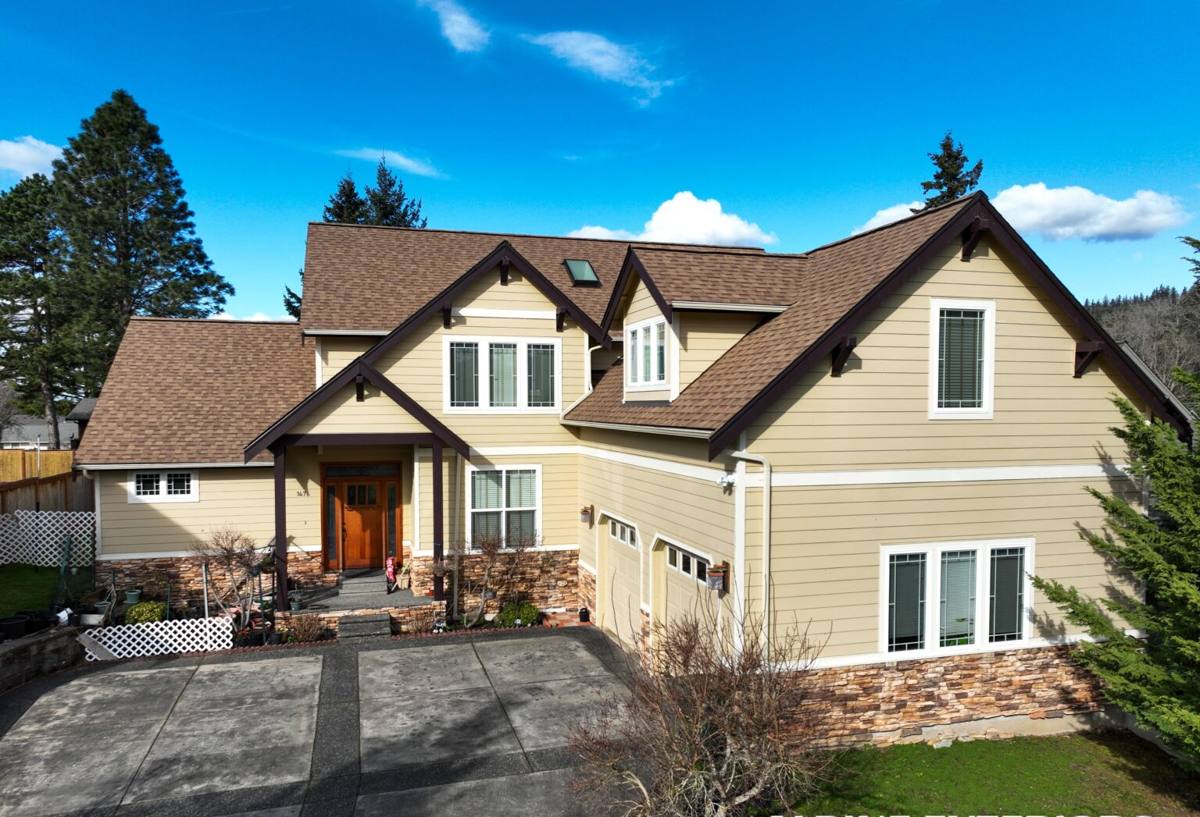
South Hill sits up above much of Bellingham, which gives a lot of homes here real exposure — open views toward the bay, more direct wind, and walls and decks that catch weather from more than one direction depending on where a lot sits on the slope. That elevation and exposure is part of what people love about living up here, but it's also exactly what wears out a deck faster than the same materials would hold up on a sheltered, flat lot closer to sea level.
A deck on South Hill deals with three things working on it at once: salt-tinged marine air coming off the water, wind-driven rain that doesn't fall straight down, and a moss season that runs most of the year on any surface that doesn't get consistent sun. None of those three things are unique to this neighborhood — they're part of living anywhere in Whatcom County — but the combination of hillside exposure and shaded, tree-covered lots common on South Hill means decks here often see more of all three than decks in flatter, more open parts of Bellingham. This page covers what that actually means for a composite deck up here, what a correct build involves, and why it's worth hiring a crew that already works this specific hillside regularly.
What South Hill's Climate Actually Does to a Deck
Wind-Driven Rain on an Exposed Slope
Rain in this part of Washington rarely falls straight down, and that effect is more pronounced on an elevated lot than a sheltered one. Wind coming up the hillside pushes rain sideways and even upward at times, which means water reaches parts of a deck — the underside of a railing cap, the gap behind a fascia board, the ledger connection at the house — that a deck in a more protected location wouldn't see nearly as often. A deck built without attention to how water actually moves in wind, not just how it falls in a straight line, ends up with moisture sitting in places it was never designed to reach.
Salt Air and Fastener Corrosion
Bellingham's marine air carries salt inland further than a lot of homeowners expect, and elevation doesn't protect against it the way people sometimes assume — if anything, more direct wind exposure can carry it further onto a hillside property. Salt-laden air is hard on any exposed metal, and a deck has a lot of exposed metal: fasteners, joist hangers, railing brackets, post bases. A fastener that starts corroding loses holding strength well before it looks obviously bad, which is why fastener grade isn't a place to save money on a South Hill deck.
A Moss Season That Runs Most of the Year
Shaded, tree-covered lots are common on South Hill, and a deck under tree cover or on a north-facing side of a house holds moisture far longer than one that gets consistent sun. That extended dampness is exactly what moss needs, and moss on a deck surface isn't just cosmetic — it holds water against the board, makes the surface slick and genuinely dangerous underfoot, and on the wrong material it can work into surface texture in a way that's difficult to fully clean out once it's established.
Elevation, Wind Load, and Structural Wear
Homes higher on the hill tend to see more sustained wind than lots closer to sea level, which puts more cyclical load on railing posts, ledger connections, and framing over time. It's rarely a single storm that causes a problem — it's years of a railing post flexing slightly more than it should, or a ledger connection that was never quite tight enough, slowly working loose.
What "Composite Decking" Actually Means
Composite decking is generally a blend of wood fiber and plastic, but the ratio, the plastic type, and how the board is finished vary significantly between manufacturers. Two distinctions matter most for a South Hill installation:
Capped vs. Uncapped Boards
Capped composite has a plastic shell wrapped around a wood-plastic composite core, which keeps moisture, mold, and staining from reaching the core material. Uncapped composite — the older style of the product — is exposed on all sides, so it absorbs moisture more readily and is more prone to mold growth and surface wear in a wet, shaded climate. On a hillside lot with real moss and moisture exposure, that difference shows up faster than it would in a drier, sunnier region, which is why we standardize on capped composite for decks up here.
Board Texture and Moss Resistance
Not all capped composite boards handle moss and algae the same way. Deeply grooved wood-grain textures give moss and organic buildup more surface area to grip, while smoother or more tightly embossed cap textures shed water and clean up more easily. On a shaded South Hill lot, that texture choice matters more than it would on a sun-exposed deck elsewhere in Bellingham, and it's worth discussing before boards are ordered rather than after.
What a Correct Composite Deck Build Involves Up Here
The visible decking boards get most of the attention, but on a hillside lot the substructure and fastening details are what actually determine whether a deck holds up over decades rather than years:
- Framing material rated for wet, ground-contact exposure, sized correctly for the span and load the specific composite product requires
- Corrosion-resistant fasteners and hardware throughout — standard-grade hardware corrodes noticeably faster in this marine air than most homeowners expect
- Hidden fastener systems on the decking surface where the product allows, reducing exposed metal and giving moss less of a foothold at fastener heads
- Correct board gapping for drainage and for the expansion and contraction composite goes through with temperature changes
- Ledger board flashing and attachment built to shed wind-driven rain away from the house connection, not just handle rain falling straight down
- Post bases and railing attachment sized for sustained wind exposure, particularly on decks higher on the slope or with open views
- Ventilation and drainage underneath the deck so moisture doesn't sit against the framing on shaded, slow-to-dry lots
- Grading and site drainage checked around the deck footprint, since a deck built over poorly draining ground stays wetter longer regardless of what's on top
Skip any one of these and the deck usually still looks fine for the first year or two. The problems show up later — a soft spot in the framing, a railing post with more give than it should have, or a fastener line that's started staining the boards around it.
How Our Process Works on South Hill
We start with a site visit, because no two lots up here sit the same way relative to sun, wind, and tree cover. We look at existing framing condition if it's a deck replacement, how water currently drains around the site, how much direct sun the deck actually gets through the day, and how exposed the location is to wind coming up the slope. That walk-through shapes which composite product and board texture actually make sense for that specific lot, rather than defaulting to whatever's easiest to install.
From there we talk through product options and budget, then handle permitting through the City of Bellingham where the scope of work requires it — deck height, footing depth, and railing requirements all factor into whether a permit is needed and what it needs to show. Once permitted, the build follows the order that actually matters for longevity: substructure and framing first, with every fastening and flashing decision made for that lot's real exposure, then the composite surface, railing, and any fascia or trim work. We finish with a walkthrough covering what upkeep the specific board you chose actually needs, since it's genuinely low-maintenance but not zero-maintenance.
Composite Decking Compared to the Alternatives
| Material | How It Handles Rain, Salt Air & Moss | Maintenance in This Climate | Typical Lifespan Here |
|---|---|---|---|
| Capped composite | Strong — cap layer resists moisture absorption and moss staining | Periodic washing; no sealing or staining required | Long-term, backed by manufacturer warranty |
| Cellular PVC | Excellent — no wood fiber to absorb moisture at all | Periodic washing; no sealing or staining required | Long-term, generally at a higher upfront cost |
| Uncapped composite | Moderate — absorbs some moisture, more prone to mold and moss buildup | More frequent cleaning to manage staining | Shorter than capped products in this climate |
| Pressure-treated wood | Weak over time — absorbs moisture readily, moss takes hold quickly on shaded boards | Regular sealing or staining, plus moss treatment | Shortest, with the most ongoing upkeep |
| Cedar | Attractive but moisture-sensitive; needs consistent sealing to resist moss and rot | High; recurring sealing or staining cycle | Moderate with consistent upkeep, shorter without it |
What Composite Decking Still Needs From You
Composite decking is low-maintenance compared to wood, not maintenance-free, especially on a shaded South Hill lot dealing with a long moss season. A little routine care protects the investment:
- Rinse or wash the surface periodically to clear pollen, needles, and organic debris before they take hold and stain the cap layer
- Keep gaps between boards clear of leaves and debris so water can drain and air can move through as the system was designed
- Address moss at the first sign of it rather than waiting — a light wash is a much smaller job than a deck that's gone slick and stained
- Check railing posts, hardware, and the ledger connection at least once a year for early signs of corrosion or loosening
- Trim back overhanging branches where practical to let more light and air reach the deck surface
What to Ask Before Hiring a Deck Contractor on South Hill
Composite decking is a forgiving-looking product that hides a lot of installation quality until years later, which makes the contractor conversation worth taking seriously before signing anything:
- Ask specifically how they detail the ledger connection at the house — this is one of the most common failure points on a wet, wind-exposed hillside lot
- Ask what fastener grade they use throughout, not just on the visible decking surface
- Ask how they handle drainage and ventilation underneath the deck on a shaded or sloped lot
- Ask whether they've worked on South Hill specifically, or on comparable elevated, tree-covered lots elsewhere in Bellingham
- Ask what the manufacturer warranty actually covers, and whether their installation practices meet what's required to keep that warranty valid
A contractor who answers those questions specifically and without hesitation has almost certainly built decks in conditions like this before. Vague answers, or answers that only address the surface boards and skip the substructure, are worth pressing on further.
Why a Crew That Already Works South Hill Matters
A composite deck built to a generic national spec sheet isn't necessarily built for a shaded, elevated Bellingham lot with wind coming up the slope and moss pressure most of the year. A crew that already works South Hill regularly has seen where decks up here actually fail — which ledger connections leak, which railing posts loosen first, which north-facing corners hold moisture longest — and builds around those specific failure points instead of learning them on your project. That local pattern recognition doesn't show up on a spec sheet, but it shows up in how long the deck actually lasts.
If you're weighing composite decking for a home on South Hill, we're happy to walk the site, talk through what your specific lot's sun, wind, and moisture exposure actually calls for, and give you a straightforward, no-pressure estimate. There's a form below — reach out and we'll set up a time to take a look.