 Bellingham
 Windows in South Hill Face a Specific Set of Conditions
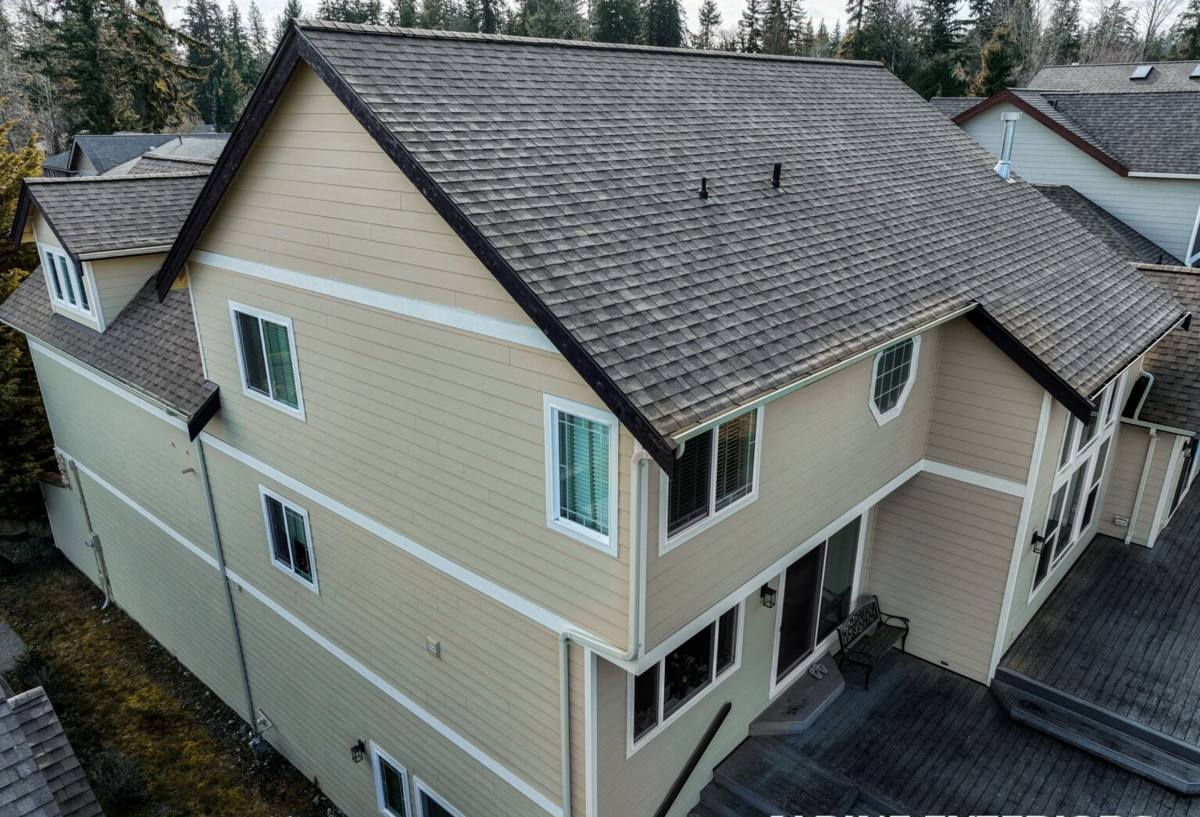
South Hill is one of Bellingham's older, established neighborhoods — a hillside area with a good mix of early-1900s homes, mid-century remodels, and newer infill construction, most of it shaded by mature trees and sitting close enough to the water to catch salt-laden air off Bellingham Bay. That combination is tougher on windows than people expect. Tree cover keeps roofs and siding damp longer after a storm, elevation and exposure mean wind-driven rain hits some walls harder than others, and the salt content in coastal air speeds up corrosion on hardware, screens, and unprotected metal components. A window that would last two decades in a drier inland climate can show real wear in half that time here if it wasn't installed with this specific environment in mind.
When we talk about window installation in South Hill, we're not describing a generic Bellingham job. We're talking about matching frame material, flashing detail, and sealant choice to a hillside lot that sees more moss, more standing moisture around trim, and more coastal air movement than homes further inland in Whatcom County.
The Climate Factors That Actually Matter Here
Salt Air and Hardware Corrosion
Homes within a few miles of the bay pick up airborne salt that settles on window hardware, screen frames, and any exposed fasteners. Over time this pits cheaper metal finishes, seizes up hinges and locks, and can stain light-colored vinyl and paint near the sill. It's a slow process, which is exactly why it's easy to miss until a window won't latch properly or the hardware looks chalky and corroded.
Driving Rain and Wall Penetration
Bellingham doesn't just get rain — on the hill, storms coming off the water often arrive at an angle, driving moisture sideways into wall assemblies rather than letting it run straight down and off. That means the flashing and sealing details around a window opening matter more here than in a climate with mostly vertical rainfall. A window that's air-tight but poorly flashed can still let water track behind the trim and into the wall cavity.
Moss, Shade, and Prolonged Dampness
Mature tree canopy across much of South Hill keeps exterior surfaces shaded and slow to dry. Moss and algae take hold on north-facing trim, sills, and anywhere water tends to sit, and that constant low-grade moisture is hard on wood components, caulking, and paint. It doesn't destroy a window overnight, but it shortens the useful life of anything not detailed to shed and dry quickly.
Signs Your South Hill Home May Need New Windows
Most homeowners don't replace windows on a schedule — they replace them when something starts to fail. Here's what we typically see first on hillside homes in this climate:
- Visible moss, algae, or dark staining building up on sills or the bottom of the frame
- Hardware — locks, cranks, hinges — that feels stiff, corroded, or won't latch cleanly
- Condensation forming between panes (a sign the seal has failed on a double- or triple-pane unit)
- Drafts you can feel near the frame on windy days, especially on walls exposed to weather off the bay
- Wood trim or sills that feel soft, spongy, or show paint failure and rot
- Windows that are noticeably harder to open and close than they used to be
- Rising heating bills without any other explanation
Any one of these on its own might just need a repair. Several at once, especially on an older single-pane or early dual-pane window, usually means the unit and its seals have reached the end of their practical service life.
What a Correct Window Installation Actually Involves
Window installation gets treated like a simple swap — pull the old one, drop in the new one — but the parts that determine whether a window lasts are mostly invisible once the job is done. On a hillside, weather-exposed lot like South Hill, we pay particular attention to a few details that get skipped on rushed jobs.
Sill Pan and Drainage
Every opening should have a sloped sill pan so that any water that does get past the exterior seal has somewhere to go besides into the wall framing. This is a small, cheap detail that makes an outsized difference over years of driving rain.
Flashing Sequence
Flashing tape and building paper need to be layered correctly — each piece overlapping the one below it, shingle-style — so water is always directed outward and down, never trapped behind the window. Get this order wrong and a window can look fine for a year or two before hidden rot shows up.
Insulation and Air Sealing Around the Frame
The gap between the window frame and the rough opening needs to be filled with a low-expansion foam or backer rod and sealant — not stuffed with fiberglass batting, which does little to stop air movement and can hold moisture against the frame.
Exterior Caulking and Trim Detail
The exterior seal is the first line of defense against wind-driven rain. We use sealants rated for our marine climate and pay attention to weep holes and drainage gaps so the window can shed water instead of trapping it.
Window Material and Frame Comparison
Material choice matters more in a coastal, tree-shaded climate than it does in a drier region. Here's how the common options hold up under South Hill conditions specifically:
| Frame Material | Coastal/Salt Air Performance | Moisture & Moss Resistance | Maintenance |
|---|---|---|---|
| Vinyl | Good — won't corrode, minimal upkeep | Good; occasional cleaning of grooves and tracks | Low |
| Fiberglass | Very good — stable, doesn't pit or corrode | Very good; holds paint and finish well | Low to moderate |
| Aluminum | Fair — needs a quality anodized or powder-coated finish to resist corrosion near the bay | Fair; can show pitting over time without proper coating | Moderate |
| Wood (with cladding) | Good on the exterior if properly clad; interior wood needs care | Requires diligent sealing and maintenance to prevent rot | High |
We don't push one material on every home. A wood-clad window can be the right call for a historic South Hill house where matching the original character matters, as long as the homeowner understands the added maintenance. For most replacement projects, vinyl or fiberglass gives the best balance of durability and low upkeep in this climate, and we'll walk through the honest trade-offs for your specific home rather than defaulting to whatever's easiest to install.
Our Installation Process, Step by Step
- On-site assessment. We look at existing window condition, framing, exposure to weather, and any signs of past moisture damage before quoting anything.
- Measurement and product selection. Exact opening measurements, plus a conversation about material, glass package, and style options that fit the home and budget.
- Removal. Old units are removed carefully to expose the rough opening so we can actually inspect the framing underneath, not just cover it up.
- Framing check and repair. Any soft wood, rot, or prior water damage gets addressed before a new window goes in — installing over a hidden problem just seals it in.
- Sill pan and flashing installation. Drainage plane and flashing are installed in the correct shingle-lap sequence, sloped to shed water outward.
- Window setting and shimming. The unit is leveled, plumbed, and squared before fastening — misalignment here causes operational problems down the road.
- Insulation and air sealing. Low-expansion foam or backer rod and sealant fill the gap around the frame properly.
- Exterior sealing and trim. Weather-rated caulking and trim work finish the exterior, with attention to weep paths and drainage.
- Final walkthrough. We check operation, locks, and seals with you before considering the job done.
Cost Factors for South Hill Window Projects
Every home is different, and we'll always give you an exact number after seeing the job, but these are the main factors that move the price:
| Factor | Why It Matters |
|---|---|
| Number and size of openings | More or larger windows mean more material and labor |
| Frame material | Vinyl is typically the most budget-friendly; fiberglass and clad-wood cost more up front |
| Existing condition of framing | Rot or water damage found during removal adds repair time before the new window can go in |
| Glass package | Double- vs. triple-pane, low-E coatings, and gas fills all affect price and performance |
| Access and site conditions | Hillside lots, steep grades, or upper-story windows can require more setup time |
| Trim and exterior finish work | Matching existing trim profiles or repainting adds scope beyond the window itself |
Be cautious of any quote that's dramatically lower than others without an explanation — it usually means a shortcut somewhere in the flashing, insulation, or sealing steps described above, and those are exactly the details that cause expensive problems two or three winters later.
Why Hiring a Crew That Already Works South Hill Matters
A window installer who mostly works in drier, inland parts of Whatcom County will still know how to set a window level and square. What they may not have built into habit is the extra attention this hillside, coastal-adjacent neighborhood demands — the sill pan detail that keeps driving rain out, the hardware and finish choices that hold up against salt air, and the drainage planning that accounts for shaded, slow-drying walls under tree cover. We work in South Hill regularly enough to know which walls on a hillside lot take the worst of a southwesterly storm and which north-facing trim tends to hold moss the longest. That's the kind of judgment that doesn't show up on a spec sheet but shows up in how a window performs after five winters.
We also know the older housing stock in this neighborhood well enough to work around original trim profiles and framing quirks common to homes of a certain era, rather than treating every job like new construction.
Get a Straightforward, No-Pressure Estimate
If your windows are showing their age — drafts, stuck hardware, fogged glass, or moss creeping up the sill — we're happy to take a look and give you an honest read on what's actually needed, no upsell involved. Fill out the form below for a free estimate on window installation for your South Hill home.