 Bellingham
 Why Sudden Valley Roofs Wear Differently
Sudden Valley sits above Lake Whatcom, tucked under a heavy canopy of fir, cedar, and maple that most homes closer to downtown Bellingham don't have to contend with. That tree cover is part of what makes the neighborhood feel the way it does, and it's also exactly why roofs here age differently than roofs on an open, sun-exposed lot. Shade slows drying time after every rain. Add in Whatcom County's long wet season, driving rain that comes in sideways during winter storms, and the salt-tinged marine air that reaches inland across the county from Bellingham Bay, and you have a roofing environment that's genuinely tougher on materials than most homeowners realize until something starts leaking.
Roof repair in Sudden Valley isn't a "patch it and go" job. A repair that ignores shade patterns, moss growth, and moisture retention under a tree canopy usually fails again within a season or two. Our process is built around what actually happens to roofs in this specific setting, not a generic checklist written for a different climate.
The Moss Season Problem
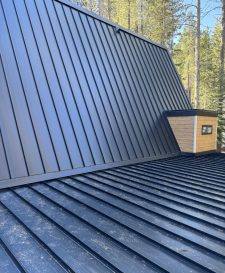
Moss needs shade and moisture to establish, and Sudden Valley roofs have both for a large part of the year. Once moss gets a foothold at a ridge cap, valley, or north-facing slope, it doesn't just sit there looking green — it lifts shingle edges, holds water against the roof deck, and works its way under flashing over time. A roof that looks structurally fine from the ground can have real damage underneath a moss mat that's been growing for a year or two.
This is why we treat moss as a roofing issue, not a cosmetic one. When we're called out for a leak or a soft spot, we're also checking for moss buildup in the areas that don't get direct sun, because that's usually part of the story.
Signs Your Roof Needs Repair, Not Replacement
Most Sudden Valley roofs we're called out to don't need a full tear-off — they need targeted repair done correctly. Here's what typically points to a repair being the right call:
- A single leak with a clear, localized source (flashing, a vent boot, a damaged section of shingles)
- Moss or debris buildup in one or two areas rather than across the whole roof
- Roofing material that's still within its expected service life, with isolated damage
- Ceiling stains that appear after specific storms rather than constant, worsening leaks
- Visible damage limited to a chimney, skylight, or valley rather than widespread wear
If instead you're seeing sagging decking, granule loss across most of the roof, or multiple leaks in unrelated areas, that's usually a different conversation — and we'll tell you honestly if repair is just delaying a replacement you'll need soon anyway.
What a Correct Repair Actually Involves
A roof repair that holds up under Sudden Valley conditions has to address the cause, not just the symptom. That means:
Full inspection before any work starts
We check the roof deck, not just the surface. Water that's been getting in under moss or failed flashing can soften plywood decking long before it shows up as a ceiling stain inside. If the decking underneath a leak is compromised, patching the surface without addressing that will fail again.
Flashing done right
Most of the leaks we find in this area trace back to flashing — around chimneys, skylights, dormers, or where a roof plane meets a wall. Flashing that was installed with caulk instead of proper step flashing or counter-flashing is a common failure point, and it's one of the most frequent repairs we perform.
Matching materials, not mismatching them
When we replace a section of shingles or underlayment, we match it to the existing roof as closely as possible in weight, profile, and color line. A repair that stands out or uses incompatible materials can create its own water-shedding problems at the seams.
Ventilation check
Under heavy tree cover, attic moisture has a harder time drying out. If ventilation is undersized or blocked, it contributes to the same rot and moss conditions we're trying to fix. A repair that ignores ventilation is treating half the problem.
Repair or Replace: How We Help You Decide
| Factor | Leans toward repair | Leans toward replacement |
|---|---|---|
| Age of roofing material | Under 15-20 years, condition otherwise sound | Nearing or past expected service life |
| Extent of damage | Localized to one area or component | Spread across multiple slopes or layers |
| Decking condition | Solid, no soft spots found | Soft, delaminated, or rotted in multiple spots |
| Moss/debris pattern | Isolated to shaded valleys or edges | Widespread moss with lifted shingles across the roof |
| Leak history | First occurrence, clear cause | Recurring leaks in different spots over time |
We walk every roof with this kind of honest framework rather than defaulting to whichever job is bigger. A well-executed repair on a sound roof will outlast a rushed or unnecessary replacement.
Our Repair Process for Sudden Valley Homes
- Inspection and photos. We get on the roof, document the damage, and check the deck and surrounding areas — not just the spot you called about.
- Honest diagnosis. We explain what's actually wrong, what caused it, and whether repair or replacement makes sense, in plain terms.
- Written scope and estimate. You know what's being done and why before we start.
- Repair work. Deck repair where needed, correct flashing detail, matched materials, and moss/debris clearing in the affected area.
- Final check. We confirm the repair sheds water correctly and walk you through what we did.
Material Considerations for Shaded, Moss-Prone Roofs
Not every roofing material handles Sudden Valley's shade and moisture the same way. When a repair calls for new shingles or flashing components, we factor in how the material will perform under tree cover, not just how it looks.
| Consideration | What it means for a shaded roof |
|---|---|
| Algae-resistant shingles | Reduce (but don't eliminate) staining and moss establishment on shaded slopes; a reasonable upgrade when replacing a section |
| Metal flashing quality | Corrosion-resistant flashing holds up better under prolonged moisture exposure than lighter-gauge material |
| Underlayment | A quality synthetic or self-adhered underlayment at vulnerable spots adds a real margin of protection under a canopy that keeps things damp longer |
| Zinc or copper strips | Installed near a ridge, these can help slow moss regrowth over time as rainwater carries trace metal down the slope |
We'll talk through these options honestly, including the trade-offs — some upgrades add real value in this setting, others are marginal for the cost. We'd rather tell you which is which than upsell every job.
Preventing the Next Repair Call
A good repair buys you time, but a few habits stretch that time further on a shaded, tree-heavy lot like most in Sudden Valley:
- Clear gutters and valleys of needles and leaf debris at least twice a year — clogged drainage is one of the most common causes of the leaks we repair
- Have moss growth addressed before it spreads across a slope, not after shingles start lifting
- Trim back branches that keep a section of roof in constant shade or that scrape shingles in wind
- Get a roof looked at after any major windstorm, even if nothing looks obviously wrong from the ground
Why a Crew That Already Works in Sudden Valley Matters
Sudden Valley isn't a typical in-and-out roofing job. Many homes here sit within an HOA-managed community with its own access considerations, and the terrain and tree cover mean every roof faces a slightly different shade and drainage pattern than a house a mile away in a more open part of Bellingham. A crew that's worked the neighborhood before knows what to expect before they're even on the ladder — which slopes hold moisture longest, where flashing tends to fail first, and how to get equipment and material to a property without unnecessary disruption.
That local familiarity matters more here than in a lot of Whatcom County neighborhoods, simply because the combination of lake-side humidity, canopy shade, and regional coastal weather is a specific set of conditions. A repair approach that works fine on an open lot in a drier part of the county doesn't automatically translate to a roof that sits in shade nine months of the year.
Get an Honest Look at Your Roof
If you've got a leak, a soft spot, or a patch of moss that's been bothering you, it's worth getting a straight answer before it turns into a bigger problem. We offer free, no-pressure estimates for Sudden Valley homeowners — we'll tell you exactly what we find and what it will take to fix it right. Fill out the form below to get started.