 Bellingham
 Roofing in Sudden Valley Isn't the Same Job as Roofing Downtown
Sudden Valley sits in a different microclimate than a lot of the rest of Whatcom County. The tree cover is heavier, the lake proximity keeps humidity and moisture lingering longer after a storm passes, and the mix of shade and moving air off the water creates conditions that are genuinely tougher on a roof than an open, sunny lot a few miles away. We've replaced and repaired enough roofs out here to know that a roofing crew that only works in town will often underestimate how fast moss, moisture, and organic debris build up on a shaded, lakeside roof.
This page is specifically about roof replacement for homes in Sudden Valley — what the local conditions demand, what a correct replacement job looks like, and how we approach it differently than a generic re-roof.
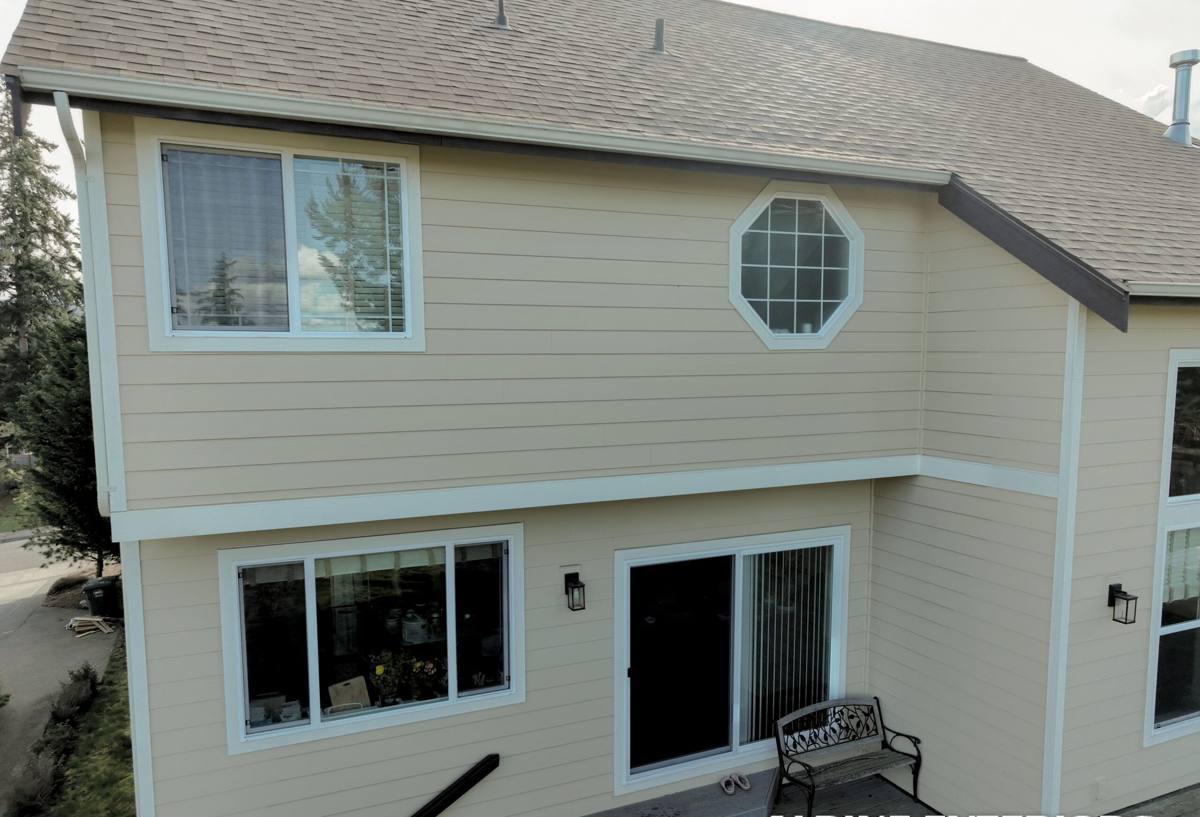
What Salt Air, Driving Rain, and a Long Moss Season Actually Do
Bellingham and Whatcom County sit close enough to Puget Sound that salt-laden air is a real factor on exposed metal flashing, fasteners, and any unprotected hardware on a roof system. Combine that with the driving, wind-blown rain that comes through in fall and winter storms, and you get water pushed sideways under shingle tabs and around flashing details that would stay dry in a calmer climate. Sudden Valley's tree canopy and lake-adjacent humidity add a third factor: an extended moss and moisture season that can run eight months or more out of the year in shaded sections of a roof.
Why This Combination Is Harder on a Roof Than People Expect
- Moss holds water against the roofing material long after the rain stops, which accelerates granule loss on asphalt shingles and rot on any exposed wood trim or sheathing.
- Salt air corrodes exposed metal faster than inland conditions — nails, flashing edges, and vent boots take the brunt of it.
- Driving rain finds weak points in flashing and underlayment that a straight-down rain would never reach, which is why lakeside and hillside homes see more leaks at valleys, chimneys, and skylights.
- Shade delays drying, so a roof section that would dry out in an afternoon in open sun can stay damp for days after a storm, feeding the moss and algae cycle.
None of this means Sudden Valley homes need exotic materials or gimmicks. It means the installation details — underlayment choice, flashing work, ventilation, and moss prevention — matter more here than they would on a drier, sunnier lot.
Signs a Sudden Valley Roof Is Due for Replacement, Not Another Patch
Repairs make sense when the damage is isolated. Replacement makes sense when the roof's underlying materials — decking, underlayment, flashing system — have been compromised broadly enough that patching one spot just shifts the problem somewhere else. Here's what we actually look for during an assessment:
- Heavy, persistent moss growth that returns within a season or two of cleaning, especially on north-facing or shaded slopes
- Granule loss visible in gutters or downspouts, which signals the shingles are past their protective life
- Soft or spongy decking felt underfoot during inspection, indicating moisture has reached the sheathing
- Curling, cracking, or lifted shingle tabs, particularly on slopes exposed to prevailing wind and rain
- Rust staining or visible corrosion on flashing, vent boots, or exposed fasteners
- Daylight visible through the attic or active staining on interior ceilings after storms
- A roof approaching or past 20-25 years old (asphalt) or showing widespread wear regardless of exact age
If a roof is only showing one or two of these in a contained area, a repair is often the honest answer — we'll tell you that. Replacement gets recommended when the problems are spread across the roof or tied to the underlying structure rather than a single failure point.
Choosing a Roofing Material That Fits This Climate
There's no single "best" roofing material for Sudden Valley — the right choice depends on your home's shade exposure, roof pitch, budget, and how much moss maintenance you want to take on long-term. Here's how the common options actually compare for this specific setting:
| Material | Moss Resistance | Salt Air / Corrosion Behavior | Typical Lifespan Here |
|---|---|---|---|
| Architectural asphalt shingle | Moderate — algae-resistant granules help but need occasional cleaning in heavy shade | Good if flashing and fasteners are corrosion-resistant grade | 20-25 years |
| Standing seam metal | Strong — sheds moisture fast, little surface for moss to grip | Requires marine-grade or coated fasteners near the lake and Sound-facing exposure | 40-50+ years |
| Synthetic/composite shingle | Good — resists moisture absorption better than organic materials | Generally stable; check manufacturer hardware specs | 30-40 years |
| Wood shake | Poor in shaded, damp settings without diligent upkeep | Moderate — needs regular treatment | Highly maintenance-dependent |
For heavily shaded Sudden Valley lots, we generally steer homeowners away from wood shake unless they're committed to an aggressive maintenance schedule — not because the material is bad, but because the moisture-retention and moss cycle in shaded, lakeside conditions works against it faster than in a drier setting. That's a maintenance-burden judgment call, not a knock on the product.
Underlayment and Ventilation Matter as Much as the Surface Material
A premium shingle over inadequate underlayment and poor attic ventilation will still fail early in this climate. We spec synthetic underlayment with strong water-resistance ratings, ice-and-water shield at valleys and eaves, and confirm attic ventilation is balanced (intake and exhaust) before we ever talk surface material. Trapped moisture from poor ventilation is one of the more common causes of premature roof failure we see on shaded, tree-covered lots.
What a Correct Roof Replacement Actually Involves
A roof replacement done right in Sudden Valley isn't just stripping old shingles and nailing down new ones. Here's what should happen on every job:
- Full tear-off and decking inspection — every section of sheathing gets checked for soft spots, rot, or delamination, not just the areas that were visibly leaking.
- Decking repair or replacement where moisture has compromised the wood — this is non-negotiable; new shingles over bad decking is a warranty and safety problem waiting to happen.
- Ice-and-water shield at vulnerable points — valleys, eaves, and around penetrations, sized for our actual rain patterns, not a bare-minimum code spec.
- Corrosion-resistant flashing and fasteners at all penetrations, chimneys, and roof-to-wall transitions, accounting for salt air exposure.
- Balanced attic ventilation confirmed or corrected — intake at the eaves, exhaust at the ridge, sized to the attic volume.
- Proper shingle or panel installation matched to manufacturer wind and nailing specs, which matters more here given seasonal storm wind.
- Gutter and drip edge integration so water is actually carried away from fascia and siding, not just off the roof edge.
- Final walkthrough covering what was found, what was replaced, and what maintenance (if any) the new system needs going forward.
How Our Process Works
We start with an on-site assessment — not a drive-by estimate. We get on the roof, check the decking where we can, look at flashing condition, and take note of shade patterns and moss buildup specific to your lot. From there we give you a straightforward breakdown of what's actually needed: full replacement, partial replacement, or repair, along with the reasoning behind that recommendation.
If replacement is the right call, we walk through material options against your budget and your home's specific exposure — a heavily shaded, north-facing roof near the lake gets a different conversation than a more open, south-facing slope. We schedule around weather windows realistically, since driving rain and an active moss season limit good installation days more than people expect. Once the work starts, tear-off, decking repair, and installation typically run efficiently over a matter of days depending on roof size and complexity, with debris and cleanup handled as part of the job, not left for you to sort out.
Why Local Experience in Sudden Valley Matters
A crew that mostly works flat, open, in-town lots will size ventilation, choose underlayment, and estimate moss risk based on conditions that don't match a shaded, lakeside property. Working Sudden Valley regularly means we already know which slopes on this kind of lot hold moisture longest, where driving rain typically finds weak flashing, and which material choices actually hold up under this specific combination of shade, humidity, and salt air — instead of relying on generic manufacturer specs written for a different climate.
It also means we're not guessing at logistics — access on wooded lots, tree trimming coordination if branches overhang the roof, and disposal all get planned into the estimate up front rather than becoming a surprise mid-job.
What Roof Replacement Typically Costs — and What Moves the Number
We don't publish fixed prices because roof size, pitch, material, decking condition, and access all shift the total meaningfully. What we can tell you is what actually drives the cost up or down on a Sudden Valley job:
| Factor | Effect on Cost |
|---|---|
| Decking condition (rot from long-term moisture) | Increases cost — more sheathing replacement needed |
| Roof pitch and complexity (valleys, dormers) | Increases cost — more flashing detail and labor time |
| Material choice (asphalt vs. metal vs. composite) | Metal and composite cost more upfront, less over the roof's life |
| Tree cover and access | Can increase cost if tree trimming or careful staging is needed |
| Existing moss/algae damage extent | More extensive damage means more repair scope before new roofing goes on |
We walk through all of this with you during the estimate so there are no surprises once work begins.
If your Sudden Valley roof is showing moss buildup that keeps coming back, granule loss, soft spots, or you're just past the point where another patch makes sense, we're happy to take a look. We'll give you a straightforward, no-pressure estimate and tell you honestly whether you need a full replacement or something less — use the form below to get started.