 Bellingham
 Storm Damage Roof Repair for Sunnyland Homes
Sunnyland is one of Bellingham's older, tree-shaded residential neighborhoods, and that combination of mature tree canopy and close-set rooflines means storm damage here shows up a little differently than it does out on open ground. Falling limbs, wind-driven rain that finds its way under aging shingles, and moss that gets a head start in shaded, north-facing sections all play a role. When a windstorm or heavy rain event moves through Whatcom County, Sunnyland roofs often need a closer look than a quick drive-by can provide.
This page covers what storm damage repair actually involves for homes in this part of Bellingham, what our process looks like from first call to final inspection, and why it matters to work with a crew that already knows the neighborhood's roof types and common trouble spots.
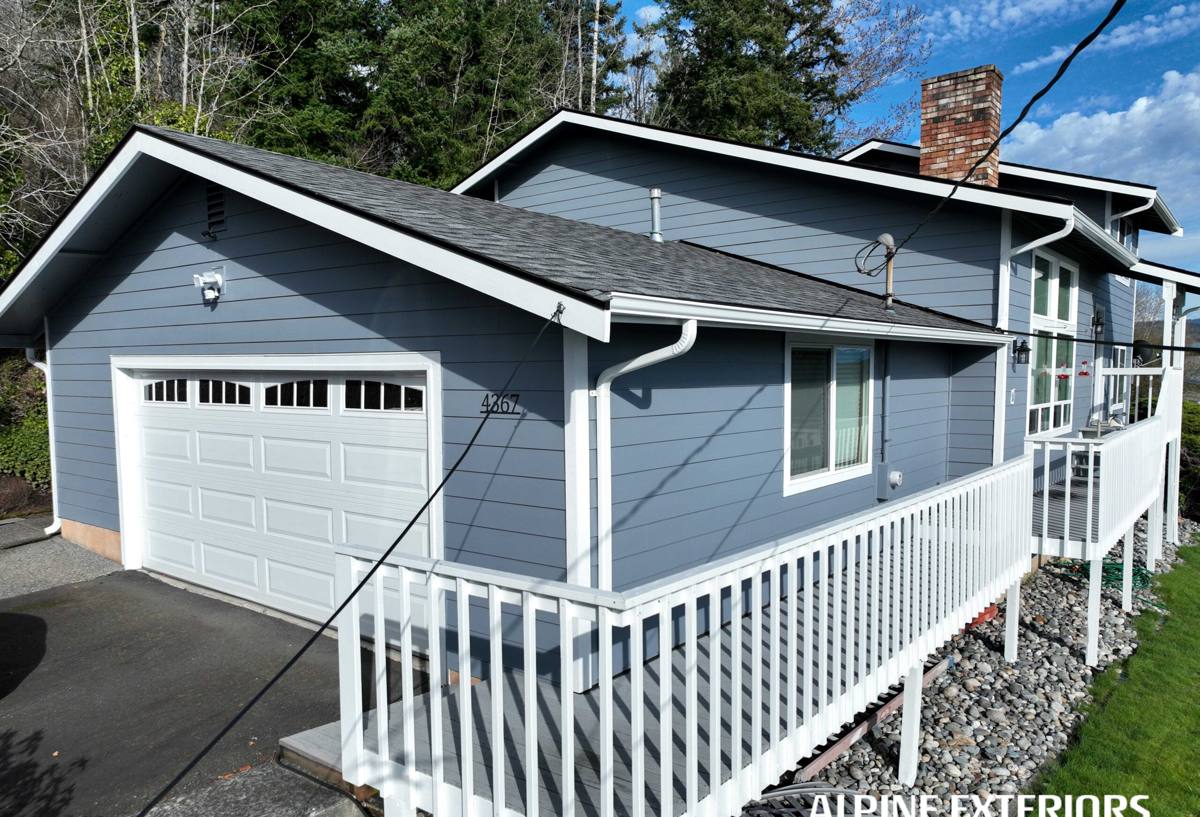
Why Bellingham Storms Are Hard on Roofs
Whatcom County doesn't get the hail or hurricane-force wind events that make headlines elsewhere, but it makes up for that with persistence. Roofs here take a steady, year-round beating from a few specific conditions:
Salt Air and Marine Moisture
Bellingham's proximity to the Salish Sea means the air carries a fine load of salt and moisture even a few miles inland. Over years, that moisture accelerates corrosion on exposed roofing fasteners, flashing, and metal drip edge, and it keeps roofing materials damp longer after a storm than they'd stay in a drier climate.
Driving Rain
Storms in this region rarely come straight down. Wind-driven rain hits roofs at an angle, which means it can work its way under shingle tabs, around flashing, and into any gap that a calmer rain would never find. A roof that looks fine from the ground can still be taking on water at a ridge cap, a valley, or a pipe boot.
A Long Moss Season
Between the shade from mature trees common in Sunnyland and the region's damp, mild winters, moss has a long growing window here — often close to year-round on north- and east-facing slopes. Moss holds moisture against the roof surface, lifts shingle edges as it grows, and can trap storm debris that would otherwise wash off. A roof already carrying moss going into a storm is more vulnerable to wind and rain damage than a clean one.
Signs of Storm Damage Worth Checking For
After a windstorm or heavy rain event, it's worth doing a basic visual check from the ground and inside the attic if you can safely access it. Getting on the roof yourself isn't necessary or recommended — most damage is visible without climbing up.
- Shingles that are cracked, curled, torn, or missing entirely, especially after high wind
- Granules collecting in gutters or at downspout outlets, a sign of shingle wear accelerated by impact or age
- Bent, lifted, or missing flashing around chimneys, skylights, and roof-to-wall joints
- Sagging or discoloration on interior ceilings, particularly near exterior walls or chimneys
- Damp insulation, water staining, or a musty smell in the attic
- Broken or displaced branches resting on or near the roofline
- Clogged or overflowing gutters that suggest debris buildup during the storm
- Moss mats that have shifted or lifted, exposing bare shingle underneath
Any one of these on its own doesn't necessarily mean a major repair, but they're worth having a professional confirm before the next rain event makes a small problem bigger.
What a Correct Storm Damage Repair Involves
Storm repair done right is a diagnostic process first and a repair second. A crew that just replaces the shingles that are visibly missing, without checking what's underneath, is leaving the door open for a repeat call after the next storm.
Full Inspection, Not a Spot Check
A proper storm inspection covers the whole roof plane, not just the area where damage is obvious. Wind damage often extends beyond what's visible from the ground, and a single missing shingle can be a sign that the surrounding field is also compromised.
Checking the Decking and Underlayment
If water has been getting under the roofing material, the decking underneath needs to be checked for soft spots, delamination, or rot before new shingles go down. Repairing over damaged decking just hides the problem.
Flashing and Penetration Detail
Chimneys, vent pipes, skylights, and roof-to-wall transitions are where storm leaks most often originate. These details need to be re-sealed or re-flashed correctly, not just caulked over, which is a common shortcut that fails within a season or two.
Matching Materials
Repairs should use shingles and flashing that match the existing roof as closely as possible in both material and color. On older Sunnyland roofs, exact matches aren't always available, and we'll tell you honestly when a repair will be visible rather than promise a seamless blend that isn't realistic.
Our Process for Storm Damage Calls in Sunnyland
- Initial contact and scheduling. We ask what you're seeing — missing shingles, an active leak, storm debris on the roof — so we can bring the right materials on the first visit.
- On-site inspection. We walk the roof, check the attic where accessible, and document damage with photos.
- Honest assessment. We tell you whether this is a straightforward repair, a larger repair, or a case where repair isn't the better long-term value compared to replacement — and explain why.
- Written estimate. You get a clear scope of work and price before anything is done.
- Repair work. We complete the repair, including any decking or flashing work the inspection turned up, not just the visible shingle damage.
- Cleanup and final check. Debris is cleared, gutters are checked for blockage from the storm, and we confirm the repair is watertight before we consider the job done.
Repair vs. Replacement: What Drives the Decision
Not every storm-damaged roof needs to be replaced, and not every repair is the right long-term move. The decision usually comes down to a handful of factors:
| Factor | Favors Repair | Favors Replacement |
|---|---|---|
| Age of existing roof | Under 10-12 years, otherwise sound | Nearing or past typical shingle lifespan |
| Extent of damage | Isolated to one area or slope | Widespread across multiple slopes |
| Decking condition | Solid, no rot or soft spots found | Rot or delamination found during inspection |
| Moss and granule loss | Minimal, roof otherwise in good shape | Heavy moss history with significant granule loss |
| Material availability | Matching shingles still obtainable | Discontinued product, poor match likely |
We'll walk you through where your roof falls on these factors rather than defaulting to the more expensive option. A lot of storm calls end up being legitimate repairs, and we'll say so.
Insurance and Storm Damage Claims
Many storm repairs are covered in whole or in part by homeowners insurance, depending on your policy and the cause of damage. We're glad to provide photo documentation and a written scope of damage that you can submit with a claim, and we can talk through what we're seeing in plain terms so you know what you're dealing with before you call your adjuster. We don't handle the claim itself or promise a specific payout — that's between you and your insurer — but having clear, professional documentation from the start tends to make that process smoother.
Why It Matters to Hire a Crew That Works Sunnyland
Roof age, common materials, tree cover, and typical storm exposure vary block by block across Bellingham. A crew that regularly works in Sunnyland has a working sense of which roof types are common in the neighborhood, how the tree canopy affects moss and debris patterns on different streets, and what kind of storm damage tends to show up here versus in more exposed parts of Whatcom County. That familiarity doesn't replace a real inspection, but it means less guesswork and a more accurate first assessment.
It also means faster response. After a significant storm moves through Bellingham, roofing crews get busy fast, and homeowners who wait too long to address active leaks risk secondary damage to insulation, decking, and interior finishes that turns a roof repair into a bigger, more expensive project.
Reducing Storm Damage Risk Going Forward
A few maintenance habits go a long way toward reducing how much damage the next storm can do:
- Keep gutters and downspouts clear so storm water has somewhere to go
- Trim back branches that overhang the roofline before they become storm debris
- Address moss buildup before it spreads across a full slope
- Have flashing and roof penetrations checked periodically, not just after visible damage appears
- Get a roof inspected after any storm with sustained high wind, even if nothing looks wrong from the ground
None of this eliminates storm risk entirely — Bellingham's climate is what it is — but it does reduce how often a storm turns into an emergency repair.
If a recent storm has you wondering about the condition of your roof, we're happy to take a look. Reach out for a free, no-pressure estimate using the form below, and we'll give you an honest read on what your roof needs.