 Bellingham
 Roof Repair Built for Birchwood's Weather, Not a Generic Climate
Birchwood is one of Bellingham's quieter residential pockets, tucked into Whatcom County a short drive from Bellingham Bay. It's a good place to own a home — mature trees, established lots, a mix of older and newer roofs. It's also a tough place to be a roof. The combination of salt-tinged air off the bay, long stretches of driving rain, and a moss season that can run nine months out of twelve means Birchwood roofs age differently than roofs in drier parts of the country. A repair that would hold up fine in Spokane or Boise can fail here in a single wet winter if it doesn't account for how this specific climate behaves.
This page is about roof repair specifically — not full tear-offs, not routine maintenance plans. It's about what actually needs to happen when a Birchwood roof has a leak, a damaged section, or visible wear, and why the details of that repair matter more here than almost anywhere else in the state.
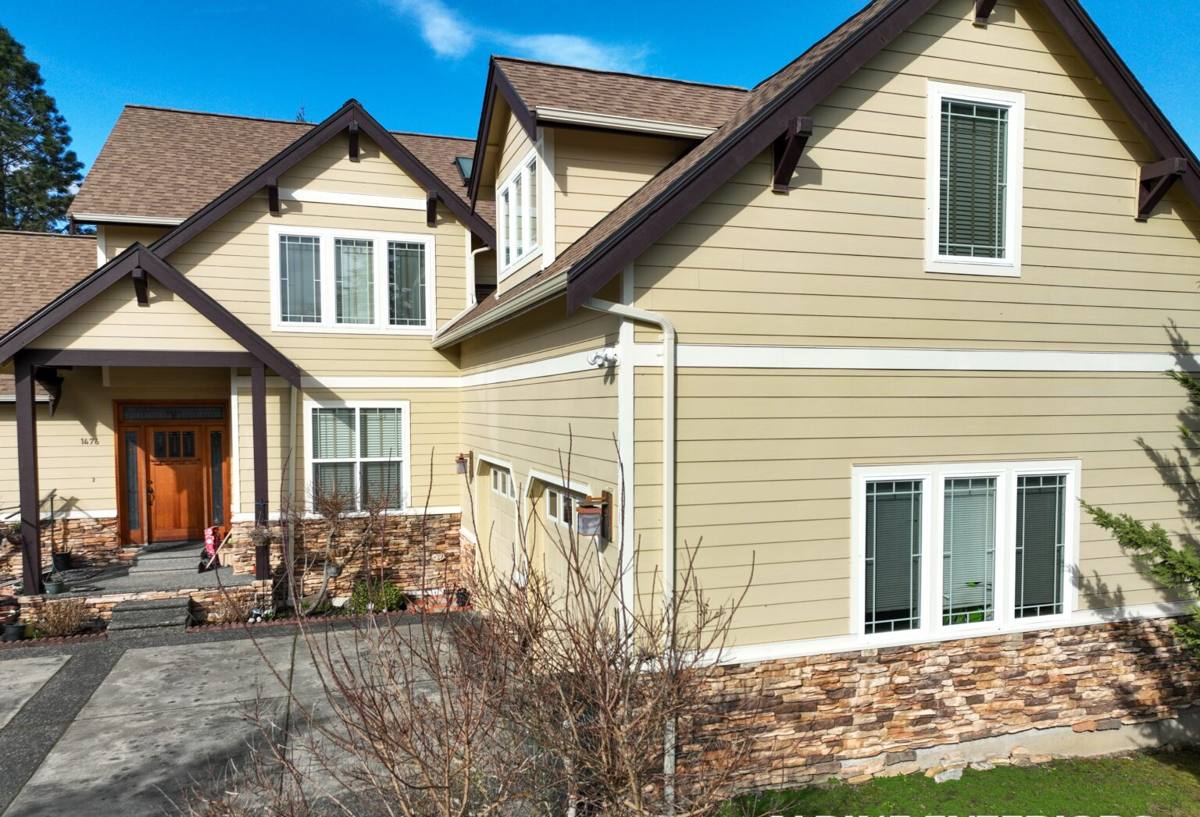
What Whatcom County Weather Actually Does to a Roof
Salt Air and Metal Fatigue
Homes closer to Bellingham Bay pick up airborne salt that settles on roofing, flashing, and any exposed metal. Over years, that accelerates corrosion on nails, vent boots, drip edge, and flashing seams — the small metal components that are easy to overlook but are usually where a leak actually starts. A roof can look fine from the ground while its flashing is quietly rusting through underneath the shingles.
Driving Rain and Wind-Driven Water
Bellingham doesn't just get rain — it gets rain pushed sideways by wind coming off the water. That matters because wind-driven rain can work its way under shingles, around chimneys, and through valleys in ways that straight-down rain never would. A repair that only addresses the visible gap and ignores wind direction often leaks again at the first serious storm.
Moss: The Slow, Patient Roof Killer
Whatcom County's damp, mild climate and shaded lots are close to ideal growing conditions for moss. Moss holds moisture directly against roofing material, lifts shingle edges as it grows, and works its way under tabs and around fasteners. On the north-facing and heavily shaded sections common in older Birchwood lots, moss can establish itself within a couple of seasons if it isn't kept in check. Left alone, it's one of the most common reasons a roof needs repair years before it should.
The Roof Repair Issues We See Most Often in Birchwood
- Lifted or cracked shingles/shakes along moss-heavy, shaded slopes
- Corroded flashing around chimneys, skylights, and roof-to-wall transitions
- Leaks at valleys where wind-driven rain collects and backs up
- Deteriorated pipe boots and vent seals — a very common leak source everywhere, worse here due to constant moisture cycling
- Gutter and edge damage from moss and debris holding standing water against the roof deck
- Soft or discolored decking discovered once a small leak has been ignored for a season or two
What a Correct Repair Actually Involves
A roof repair that's done right in this climate is rarely just "replace the shingle that's missing." It's a short diagnostic process followed by a fix that accounts for water direction, not just water location.
1. Find the Real Source, Not Just the Visible Damage
Water travels. A stain on a bedroom ceiling might trace back to a flashing gap ten feet away, following the roof deck or a rafter before it shows up inside. Any honest repair starts with tracing the path, not patching where the water happens to appear.
2. Check What's Underneath
Once the roofing surface is pulled back at the repair area, the underlayment and decking need a real look. If moisture has been getting in for a while, the plywood underneath can be soft or delaminated. Patching over compromised decking is a short-term fix that fails again — sometimes within months.
3. Match Materials and Fasten Correctly
Mismatched shingle profiles, wrong nail placement, or reused old flashing are common shortcuts that lead to repeat leaks. In a salt-air, high-moisture environment, corrosion-resistant fasteners and properly lapped flashing aren't optional upgrades — they're what keeps a repair from becoming a recurring service call.
4. Seal and Flash for Wind-Driven Water
Because rain here doesn't always fall straight down, repairs around valleys, chimneys, and wall transitions need flashing that's built to shed water coming from an angle, not just from above.
Our Process, Step by Step
- Inspection: We look at the whole roof, not just the reported problem area — a leak in one spot is often a symptom of wear elsewhere.
- Diagnosis and honest explanation: We show you what we found and explain what's actually causing it, in plain terms, before any work starts.
- Written estimate: A clear scope of work and price range before we touch anything.
- Repair: Deck inspection, correct flashing and underlayment, material-matched shingles or shakes, proper fastening.
- Cleanup and check: Debris and moss cleared from the repair area and surrounding gutters, since leftover moss undoes the benefit of a fresh repair fast.
- Follow-up: We tell you honestly if the repair is a long-term fix or a reasonable stopgap given the roof's overall age and condition.
Repair or Replace? An Honest Comparison
Not every roof problem needs a full replacement, and not every roof problem should be patched forever. Here's how we think about it.
| Situation | Repair Usually Makes Sense | Replacement Should Be Considered |
|---|---|---|
| Age of roofing material | Roof is under roughly two-thirds of its expected lifespan | Roof is near or past its expected lifespan |
| Extent of damage | Localized — one slope, one flashing detail, one section | Widespread wear across multiple slopes |
| Decking condition | Solid, dry decking under the repair area | Soft, delaminated, or repeatedly wet decking |
| Moss/algae staining | Surface-level, recently developed | Deep, long-term staining with granule loss |
| Repair history | First or second repair in this area | Same spot has needed repair multiple times |
When a roof is genuinely in the "repair" column, we'll say so and repair it properly. We don't push replacement on a roof that has years of honest life left in it — but we also won't patch a roof that's structurally past the point where repair is the responsible answer.
What Drives the Cost of a Roof Repair
| Factor | Why It Matters |
|---|---|
| Size and location of the damaged area | A single valley or flashing detail is a much smaller job than multiple damaged sections |
| Roof pitch and accessibility | Steeper roofs and taller homes take longer and require more safety setup |
| Decking condition | Replacing soft or rotted plywood underneath adds material and labor beyond the surface repair |
| Material match | Matching existing shingle or shake profile and color affects sourcing and labor |
| Flashing complexity | Chimneys, skylights, and multiple roof-to-wall transitions each add detail work |
We give a real number after we've actually looked at the roof — not a phone estimate based on square footage alone. Roof repair pricing that's quoted sight-unseen is one of the most common ways homeowners end up with surprise charges mid-job.
Between Repairs: A Maintenance Checklist for Birchwood Roofs
A good repair lasts longer when the roof around it is kept up. This is the short list we'd give any Birchwood homeowner regardless of whether we did the repair:
- Clear moss buildup on shaded and north-facing slopes at least once a year
- Keep gutters free of debris so water doesn't back up against roof edges
- Trim back overhanging branches that keep sections of roof damp and shaded
- Have flashing around chimneys and skylights checked every couple of years, sooner if the home is closer to the bay
- Address small leaks immediately — a stain that seems minor is often the first sign of decking damage forming underneath
Why a Crew That Already Works Birchwood Matters
Roof repair isn't just about technique — it's about knowing what a specific neighborhood's roofs typically deal with. A crew that regularly works Birchwood already knows which slopes tend to hold moss longest, how salt exposure from the bay tends to affect flashing on homes in this area, and what wind-driven rain does to valleys and transitions on the roof styles common here. That local pattern recognition means less time spent guessing and more time spent fixing the actual problem — the first time.
It also means accountability. A crew based in and around Bellingham isn't disappearing after the invoice is paid. If a repair doesn't hold, we're not far away, and we stand behind the work.
Get a Straightforward Estimate
If you're dealing with a leak, storm damage, or a section of roof that's showing its age, we're happy to take a look and give you an honest read on what it actually needs — repair or otherwise. There's no pressure and no obligation. Fill out the form below and we'll set up a time to come out and give you a free estimate.