 Bellingham
 New-Construction Windows in Cordata: Getting It Right the First Time
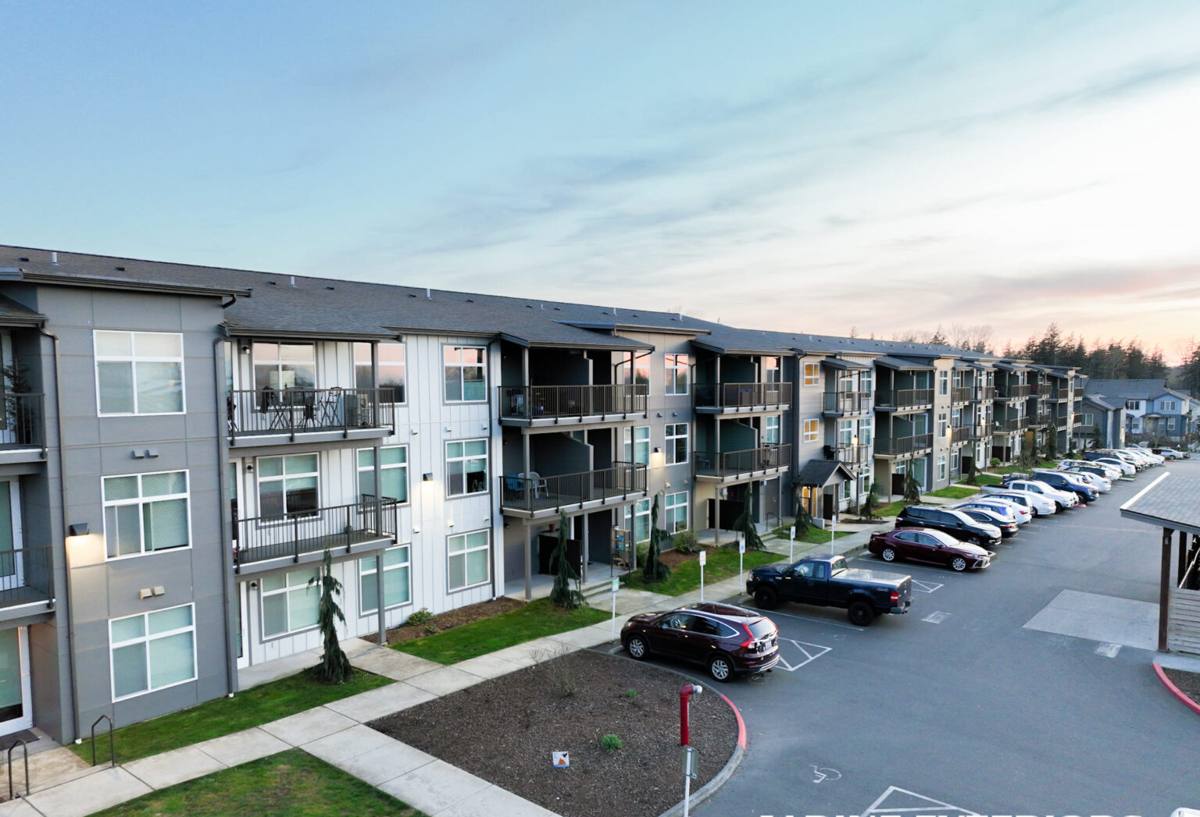
Cordata sits in north Bellingham, close enough to the water and to open farmland that new construction here takes a real beating from the weather before it ever gets furniture in it. Whether you're building a single home, a duplex, or working through a small development, the windows going into a new structure are one of the few components where a mistake gets buried behind siding and trim before anyone notices — and then shows up as a stain, a soft spot, or a drafty room two or three winters later. New-construction window work is different from a replacement job, and doing it right in this part of Whatcom County means planning for the climate from the first flashing strip, not patching for it afterward.
What Bellingham and Whatcom County Weather Does to a New Build
This area doesn't get the most rain of any place in the country, but it gets a lot of it, spread over a lot of months, combined with humidity that never fully lets a building dry out. A few things matter specifically for new-construction windows:
- Long stretches of low-intensity, wind-driven rain push water sideways into wall assemblies, not just straight down — flashing details matter more than roof overhangs alone.
- Salt-tinged air off the bay accelerates corrosion on fasteners, hardware, and unprotected metal flashing.
- Extended damp seasons feed moss and mildew on any surface that stays wet — including window sills and trim that aren't sloped to shed water.
- Cool, wet winters combined with occasional cold snaps mean condensation control at the glass and frame is a real comfort and durability issue, not a cosmetic one.
None of this is exotic — it's the same climate that drives moss on roofs and green streaks on north-facing siding all over Bellingham. But it means a window installed without the right flashing sequence or the right frame material is on a slower, quieter path to the same kind of trouble.
New-Construction vs. Replacement: Why the Job Is Different
A lot of homeowners assume "installing a window" is the same task no matter the situation. It isn't. In new construction, the window goes in before the siding, and the installer has full access to the wall's water-resistive barrier (the house wrap or building paper) and framing. That's an advantage — it means the flashing can be built correctly, layer by layer, instead of retrofitted around finished siding. It's also a responsibility: if the flashing sequence is done wrong at this stage, it's wrong for the life of the building, and nobody will see it until there's a leak.
This is also the stage where window selection has the most long-term impact. Frame material, glazing package, and drainage design all get locked in now, and they're far more expensive to change later than they are to get right today.
What a Correct New-Construction Window Install Involves
Flashing and Water Management
The single biggest factor in whether a new window stays watertight for decades is the flashing sequence around the rough opening — sill pan flashing, side flashing that laps correctly over the sill pan, and head flashing that laps under the house wrap above. Done in the wrong order, or with the wrong materials, water finds its way behind the window frame and into the wall cavity, where it can sit for years before anyone sees a sign. In a climate like this one, with rain coming from more directions than straight down, we don't treat flashing as a formality — it's the part of the job that determines everything else.
Window Selection for This Climate
Fiberglass and vinyl frames both perform well here when properly installed; wood-clad units can look excellent but need more attention to end-grain sealing and finish maintenance given the damp season length. For glazing, a double-pane unit with a good low-E coating and warm-edge spacer is typically the right baseline for Whatcom County — it balances condensation resistance and energy performance without pushing cost into territory that doesn't pay back for most residential builds. We size and spec glazing based on orientation: north- and west-facing openings that catch the worst of the driving rain and wind get more attention to seal quality and drainage than a sheltered south-facing opening might.
Sill Slope and Drainage
Every sill needs a slope away from the house and a clear path for any water that does get past the exterior seal to drain back out, not pool. This is a detail that's easy to skip in a rush to close in a building before winter, and it's one of the first things we check on any new-construction job we take over partway through.
How Our Process Works
- Plan review and takeoff. We work from the building plans to confirm rough opening sizes, window schedule, and any structural headers before ordering.
- Product selection. We walk through frame material, glazing, and performance ratings against the home's orientation and your budget — no upselling to a package the house doesn't need.
- Rough opening prep. We verify openings are square, plumb, and properly sized before any window goes in, catching framing issues while they're still cheap to fix.
- Flashing installation. Sill pan, side flashing, and head flashing go in sequence, integrated correctly with the house wrap.
- Window setting and fastening. Units are shimmed, leveled, and fastened per manufacturer specification to keep the warranty intact.
- Sealing and insulation. Gaps get properly insulated and sealed on the interior side without over-packing, which can bow frames.
- Final inspection. We check operation, seal, and flashing laps before the siding crew closes anything in behind them.
Cost Factors for New-Construction Window Projects
| Factor | Why It Moves the Price |
|---|---|
| Frame material (vinyl, fiberglass, wood-clad) | Wood-clad and higher-end fiberglass cost more upfront but affect maintenance and lifespan differently in a wet climate |
| Glazing package | Upgraded low-E coatings or triple-pane units add cost but can matter more on exposed, wind-driven-rain-facing walls |
| Number and size of openings | Larger and more numerous windows increase both material and labor time |
| Flashing complexity | Bay windows, corner windows, and openings near rooflines take more flashing detail and labor |
| Timing with other trades | Coordinating window install with framing and siding schedules affects efficiency and cost |
We give straightforward, honest ranges once we've seen the plans or the opening — we don't think it's useful to quote a number before knowing what the job actually requires.
Mistakes We See on New Builds in This Area
Most of the problems we get called to fix in newer homes around Bellingham trace back to a handful of recurring issues: flashing installed out of sequence, sill pans skipped entirely to save time, fasteners that aren't corrosion-resistant enough for the salt air near the water, and window units set without enough attention to level and plumb, which stresses the frame and can affect operation and seal over time. None of these are dramatic failures on day one — they're slow problems that show up as a stuck sash, a drafty room, or a stain on interior trim a few years down the line.
A Practical Checklist for Homeowners and Builders
- Confirm sill pan flashing is specified and installed on every opening, not just the most exposed walls
- Ask what fastener material is being used, given the salt-air exposure common in this area
- Match glazing package to each wall's actual sun and rain exposure rather than using one spec everywhere
- Verify rough openings are checked for square and level before windows are set
- Get manufacturer installation instructions followed to the letter — this protects the warranty as much as it protects the building
- Have windows inspected before siding closes them in, while problems are still cheap to fix
Why a Bellingham-Based Crew Matters for a Cordata Project
New-construction window work rewards familiarity with local conditions. A crew that installs in Cordata and the rest of Bellingham regularly already knows how driving rain behaves against these lot orientations, which fastener and flashing materials hold up near the water, and how long the damp season really runs before a building gets a chance to fully dry. That's not something you get from a general contractor working from a national spec sheet — it comes from doing this specific work, in this specific climate, on a regular basis. It's also why we treat every new-construction window job as a long-term investment in the building's envelope, not a quick install to check off before the siding crew arrives.
If you're planning a new build or working through a window schedule in Cordata or elsewhere in Whatcom County, we're happy to walk the plans with you and put together a clear, no-pressure estimate. There's no obligation — just a straight look at what your project needs and what it will take to do it right. Use the form below to get started.