 Bellingham
 Why Decks in Columbia Wear Differently Than Decks Inland
Columbia sits close enough to Bellingham Bay that salt-laden air reaches nearly every yard in the neighborhood, not just the homes closest to the water. Combine that with Whatcom County's long wet season, heavy tree cover on many older lots, and driving rain that comes in sideways off the water during winter storms, and you get a set of conditions that are genuinely harder on outdoor structures than what you'd find in a drier inland climate. A deck built with generic, catalog-standard methods will show it within a few years: rust streaks around fasteners, soft spots at the ledger board, green film on the boards by late fall, and railings that start to wobble sooner than they should.
None of that is inevitable. It just means the material choices, hardware, and drainage details have to be picked for this specific climate, not for a national average. That's the difference between a deck that needs real repair work in year five and one that's still solid at year twenty.
Salt Air and Metal Fasteners
Airborne salt accelerates corrosion on any exposed metal — nails, screws, joist hangers, bolts. On a deck close to the bay, standard electro-galvanized hardware can start showing rust bleed on the decking within a couple of seasons. That's not just cosmetic; corroded fasteners lose holding strength over time, and a deck's structural integrity depends on every hanger and bolt doing its job for decades, not years.
Moss, Algae, and Standing Water
Bellingham's wet season runs long, and shaded lots in Columbia — especially those with mature trees — stay damp for weeks at a stretch. Any horizontal wood or composite surface that doesn't shed water well will grow moss and algae, and a mossy deck surface isn't just unattractive, it's slick and genuinely dangerous on stairs and ramps. Standing water is also the single biggest cause of premature rot in wood decking and framing, so drainage isn't a finishing touch — it's a core part of the design.
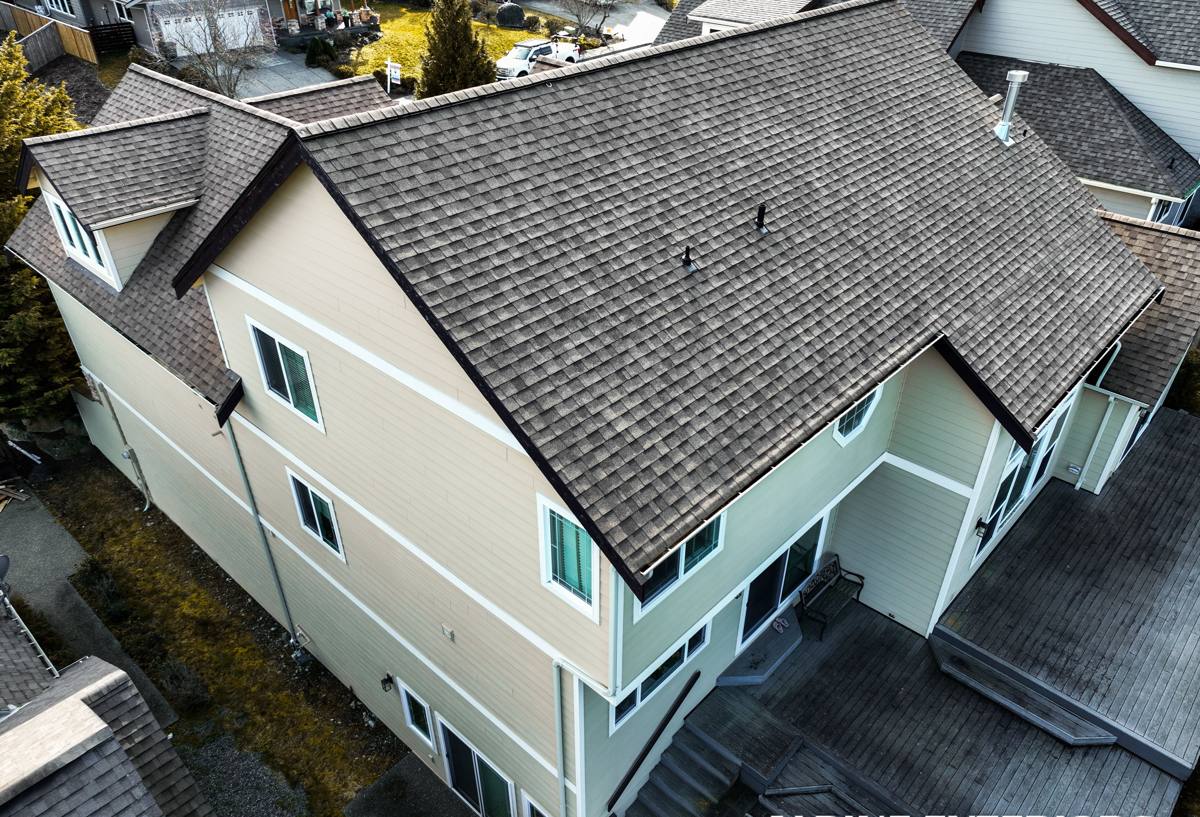
Choosing Decking Material for This Neighborhood
There's no single "best" decking material — there's a best material for a given budget, sun exposure, and maintenance appetite. In a marine, moss-prone climate like Columbia's, the trade-offs matter more than they would in a drier region.
| Material | Upfront Cost | Maintenance | Moss/Algae Resistance | Typical Lifespan |
|---|---|---|---|---|
| Pressure-Treated Fir/Pine | Lowest | Annual cleaning, periodic sealing | Moderate — needs regular cleaning to stay ahead of it | 10–15 years |
| Western Red Cedar | Moderate | Sealing/staining every 2–3 years | Good, but shaded areas still need cleaning | 15–20 years |
| Composite Decking | Higher | Occasional washing, no sealing | Good — capped boards resist moisture absorption | 25–30 years |
| PVC Decking | Highest | Minimal — soap and water | Very good, sheds water fastest | 25–30+ years |
Cedar remains a popular choice for homeowners who want a natural look and are willing to keep up with sealing on a schedule — skip a cycle or two in a wet year and it shows. Composite and PVC decking cost more up front but largely remove the sealing and staining cycle from the equation, which matters on lots with heavy shade where a wood deck would need attention more often than the label suggests. We install all of these; our job is to lay out the honest maintenance math for your specific lot before you commit, not to steer you toward whatever's easiest for us to install.
Framing and Substructure: Where Decks Actually Fail
Almost every deck failure we get called out to inspect traces back to the framing, not the decking boards on top. The visible surface can look fine while the structure underneath is quietly failing.
Ledger Board Flashing
Where a deck attaches to the house, the ledger board connection is the single most common point of water intrusion on any deck, and it's especially unforgiving in a climate with this much sustained rain. Proper flashing — installed so water is directed out and away from the house rather than behind the siding — is non-negotiable. A poorly flashed ledger can rot both the deck framing and the house's wall structure behind it before it's ever visible from outside.
Joist Hangers, Footings, and Drainage Beneath the Deck
Corrosion-resistant hardware rated for treated lumber contact is worth the modest upcharge over standard hardware, particularly this close to the bay. Footings need to be sized and set to local frost and soil conditions, not guessed at. And the ground beneath the deck should be graded so water moves away rather than pooling under the structure, where it will keep framing members damp long after a storm has passed.
Design Considerations for Columbia Lots
Columbia is a mix of older, established lots with mature trees and homes on sloped ground, which shapes what a deck needs to do well here.
- Shade and airflow: Heavily shaded decks under tree canopy dry out slower after rain, so board spacing and gapping matter more for airflow and drainage.
- Slope: Sloped lots often need taller support posts, additional bracing, or a stepped design, which changes both engineering requirements and cost.
- Overhead protection: A partial roof or pergola over at least part of the deck extends usable outdoor time significantly in a climate where it rains more often than not for half the year.
- Railings: Wood, cable, and metal railings all perform differently in salt air and wet shade — we'll walk through which fits your design and your maintenance tolerance.
Our Process, Start to Finish
- On-site assessment: We look at sun exposure, drainage, existing structure (if replacing a deck), and how the space will actually be used before recommending anything.
- Material and design discussion: We walk through the honest trade-offs for your budget and maintenance preference — no pressure toward the most expensive option.
- Permitting: We handle the permit application and coordinate any required inspections with the local building department.
- Framing and structural work: Footings, ledger flashing, joists, and hardware — the parts that determine whether the deck lasts.
- Decking, railing, and finish work: Installed to manufacturer spec, with attention to drainage gaps and fastener placement.
- Final walkthrough: We go over basic care specific to your material choice so you know what upkeep to expect.
Permits and Code in Bellingham and Whatcom County
Most attached decks above a certain height, and many freestanding decks, require a building permit and inspection, along with compliance with guardrail height, stair, and structural requirements set by the local building department. Requirements can differ slightly depending on whether a property sits within Bellingham city limits or in unincorporated Whatcom County, and they change from time to time, so we confirm current requirements for your specific address and pull the permit as part of the job rather than leaving that step to you. Skipping permits on a deck build is a common shortcut some contractors take to shave time off a bid — it's also how homeowners end up with insurance and resale problems down the line.
Maintenance in a Marine, Mossy Climate
Whatever material you choose, a little seasonal attention goes a long way in this climate. A basic maintenance routine:
- Sweep leaves and debris off the deck regularly in fall — trapped organic matter holds moisture and feeds moss growth.
- Wash the surface at least once a year with a deck cleaner appropriate to your material; pressure washing wood decking too aggressively can damage the surface.
- Check and reseal or restain wood decking on the schedule appropriate to the product — usually every 1–3 years depending on sun and shade exposure.
- Inspect fasteners and railings annually for rust streaks, looseness, or corrosion, especially if the deck is within a few blocks of the water.
- Keep gutters and downspouts near the deck clear so runoff isn't draining directly onto or under the structure.
- Clear standing water or debris from under the deck periodically, especially on shaded lots.
Why a Crew That Already Works Columbia Matters
A deck built by a crew that hasn't worked in this specific climate before will often make reasonable-sounding decisions that don't hold up here — standard hardware instead of corrosion-resistant fasteners, sealing schedules borrowed from a drier region, or drainage details that work fine in a yard without this much shade and rainfall. Working regularly in Bellingham and the surrounding Whatcom County neighborhoods means we've already seen how different materials and details actually perform over years in this exact combination of salt air, rain, and moss — not just how they're supposed to perform on paper. That local track record shapes every recommendation we make, from the hardware in the framing to the maintenance plan we hand you at the end of the job.
If you're planning a new deck or need to replace one that's showing its age, we're glad to come take a look and talk through what makes sense for your lot and budget. There's a form below to request a free, no-pressure estimate.