 Bellingham
 Roof Replacement in Columbia: Built for What Bellingham Actually Throws at a Roof
Columbia is one of Bellingham's older, tree-covered residential neighborhoods, and that combination — mature trees, close proximity to the water, and a marine climate that rarely gives a roof a break — means roofs here work harder than roofs in drier parts of the state. Salt-laden air off Bellingham Bay accelerates corrosion on fasteners, flashing, and metal components. Driving rain, often pushed sideways by wind off the water, finds every weak seam and undersized flashing detail. And the long, wet moss season — which in Whatcom County can run from fall through spring — sits on shaded, tree-covered roofs like the ones common in Columbia and slowly breaks down shingles from the surface down.
A roof replacement in this neighborhood isn't just about swapping old shingles for new ones. It's about building an assembly — deck, underlayment, ventilation, flashing, and roofing material — that's matched to this specific climate and this specific setting. That's the standard we hold every Columbia roof replacement to.
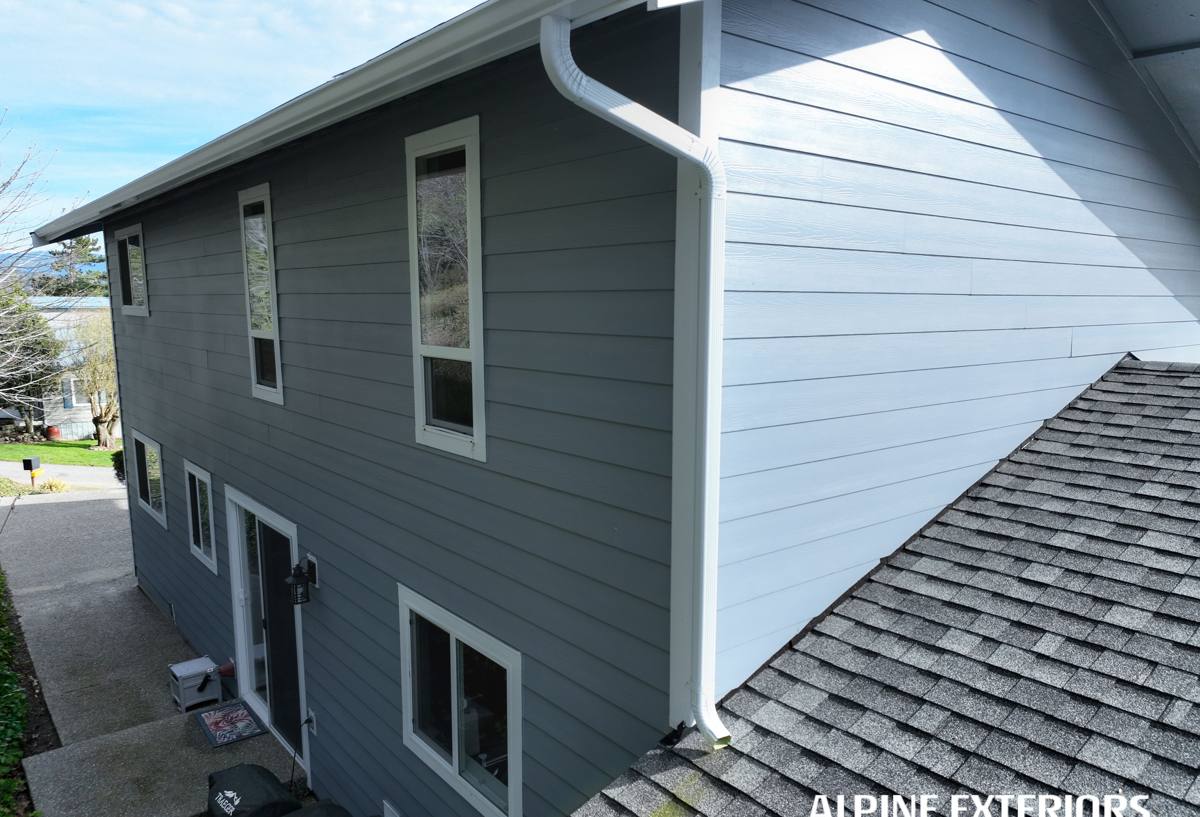
Signs a Columbia Home Needs a New Roof, Not Another Repair
Roof repairs make sense for isolated damage. A full replacement makes sense when the roof as a system is failing, or close to it. In a neighborhood with as much tree cover and moisture exposure as Columbia, that point often arrives sooner than homeowners expect.
- Shingles that are cupping, curling at the edges, or have lost most of their granules
- Moss or algae that keeps returning within a season or two of cleaning, especially on north-facing or shaded slopes
- Soft or spongy spots in the roof deck, felt underfoot from the attic or during an inspection
- Daylight visible through the roof boards in the attic, or water stains on attic sheathing
- Flashing around chimneys, skylights, or roof-to-wall transitions that's rusted, lifted, or was never properly stepped
- Granules collecting in gutters in noticeably increasing amounts each year
- A roof that's approaching or past the manufacturer's expected service life for the material installed
- Rising energy bills tied to poor attic ventilation or insulation gaps at the roofline
If a roof is showing two or more of these signs, a replacement usually costs less over time than continuing to chase repairs on a system that's already failing underneath.
What a Correct Roof Replacement Actually Involves
A roof is a system, not a single layer of material. Skipping steps below the shingles is the most common reason a "new roof" leaks or fails early — and in a wet climate like Bellingham's, those shortcuts show up fast.
Tear-Off and Deck Inspection
We remove the old roofing down to the deck rather than layering over it. This lets us actually see the plywood or OSB sheathing underneath, which is where moisture damage from a failing roof usually shows up first. Any soft, delaminated, or water-stained deck sections get replaced before anything new goes down — installing new roofing over a compromised deck just hides the problem for another owner to find later.
Underlayment and Water Protection
Underlayment is the roof's backup layer, and in a region with sustained driving rain it matters as much as the shingles themselves. We use synthetic underlayment across the field of the roof, and self-adhering ice-and-water membrane at the vulnerable points — eaves, valleys, and around penetrations — where wind-driven rain and ice damming are most likely to force water backward under the shingles.
Ventilation
A roof deck that can't breathe traps moisture from inside the home, which leads to rot, mold, and premature shingle failure from underneath — a problem that's easy to miss until it's expensive. We check intake ventilation at the soffits and exhaust ventilation at the ridge or roof vents, and correct imbalances as part of the replacement rather than leaving an undersized system in place.
Flashing and Roof-to-Wall Details
Flashing failures, not worn-out shingles, cause most of the roof leaks we get called out to diagnose. Chimneys, skylights, dormers, and the points where a roof meets a wall all need step flashing, counter-flashing, or kickout flashing installed correctly — not caulked over as a substitute for proper metal work. Given the salt air near the water, we also pay attention to flashing material and fastener corrosion resistance, since standard-grade metal degrades faster this close to the bay.
Material Installation
Once the deck, underlayment, ventilation, and flashing are right, the roofing material itself — asphalt shingle, metal, or another system — goes on to manufacturer specification, including proper nailing patterns and exposure. This is also where moss-resistant options are worth discussing for shaded Columbia lots.
Roofing Material Options for Columbia Homes
Most Columbia roof replacements we do use architectural asphalt shingles or standing-seam metal, with the right choice depending on the home's roof pitch, tree cover, and how long the owner plans to stay in the house.
| Material | Typical Lifespan | Moss & Moisture Behavior | Best Fit |
|---|---|---|---|
| Architectural asphalt shingle | 25–30 years | Good with algae-resistant granules; needs periodic moss removal on shaded slopes | Most homes; balances cost and durability |
| Standing-seam metal | 40–50+ years | Sheds moisture fast, very moss-resistant on steeper pitches | Homes under heavy tree cover, or owners planning to stay long-term |
| 3-tab asphalt shingle | 15–20 years | More prone to moss buildup and wind lift in driving rain | Budget-driven replacements; we're upfront it's the shorter-life option |
| Synthetic/composite shingle | 30–40 years | Good moisture resistance; varies by product line | Owners wanting a shingle look with longer service life |
We don't push one material on every home. A steeply pitched roof buried under fir and cedar canopy behaves very differently than an open, low-slope roof a few streets over, and the right material follows the roof, not the other way around.
Our Roof Replacement Process
- On-site inspection. We look at the roof from the ground and, where safe, up close — checking slope, material condition, flashing, and attic ventilation before quoting anything.
- Written estimate. A clear scope of work and price, with material options explained in plain terms, not upsold.
- Scheduling around weather. Because we work Bellingham roofs year-round, we plan tear-off and dry-in around the forecast to keep the home protected during the job.
- Tear-off and deck repair. Old material removed, deck inspected, and any damaged sheathing replaced.
- Underlayment, flashing, and ventilation work. The system beneath the shingles gets built correctly before the finish material goes on.
- Material installation. New roofing installed to manufacturer spec.
- Cleanup and final walkthrough. Site cleared of debris and nails, and we walk the job with the homeowner before calling it done.
Moss, Moisture, and Roof Care After Replacement
A new roof in Columbia still needs some seasonal attention, mostly because of the tree cover and rainfall that define this part of Whatcom County. Moss doesn't mean a roof was installed poorly — it means the roof is doing what shaded, moist Pacific Northwest roofs do, and it needs to be managed rather than ignored.
- Keep gutters clear so water isn't backing up under the shingle edge during heavy rain
- Trim back overhanging branches where possible to reduce shade and debris buildup
- Have moss treated or gently removed before it thickens enough to hold moisture against the shingle surface
- Schedule a walk-through inspection every couple of years, especially after a hard windstorm off the bay
- Watch for granule buildup in gutters as an early warning sign, even on a newer roof
None of this requires aggressive pressure washing, which can strip granules and shorten shingle life faster than the moss itself.
Cost Factors in a Columbia Roof Replacement
Every roof is different, and we don't quote a number without seeing the roof — but the main variables that move the price on a Columbia job are consistent.
| Factor | Why It Matters |
|---|---|
| Roof size and number of planes | More square footage and more valleys/hips mean more material and labor |
| Roof pitch and access | Steep or hard-to-access roofs take longer and require more safety setup |
| Deck condition | Rotted or soft sheathing found during tear-off adds material and labor to replace it |
| Material choice | Metal and premium shingle lines cost more upfront than standard asphalt |
| Layers of existing roofing | Removing multiple old layers adds disposal and labor time |
| Ventilation and flashing corrections | Fixing an undersized or outdated system adds work but prevents future failure |
We'd rather walk a homeowner through these factors honestly during the estimate than offer a vague number that changes once the tear-off starts.
Why It Matters to Hire a Crew That Already Works in Columbia
A roofing crew that regularly works Columbia and the surrounding Bellingham neighborhoods already understands what this specific setting demands — the tree cover, the moisture patterns, the wind off the bay, and the county's permitting expectations. That familiarity shows up in the details: knowing which slopes in this neighborhood tend to hold moss longest, sizing ventilation correctly for homes shaded most of the year, and choosing corrosion-resistant fasteners and flashing as standard practice rather than an upsell. A crew unfamiliar with this climate can install a technically fine roof that still isn't matched to the conditions it has to survive here.
If your roof in Columbia is showing wear, holding moss it shouldn't, or is simply due for replacement, we're glad to come take a look and put together a straightforward, no-pressure estimate — just use the form below to get started.