 Bellingham
 Siding Installation Built for Columbia's Coastal Climate
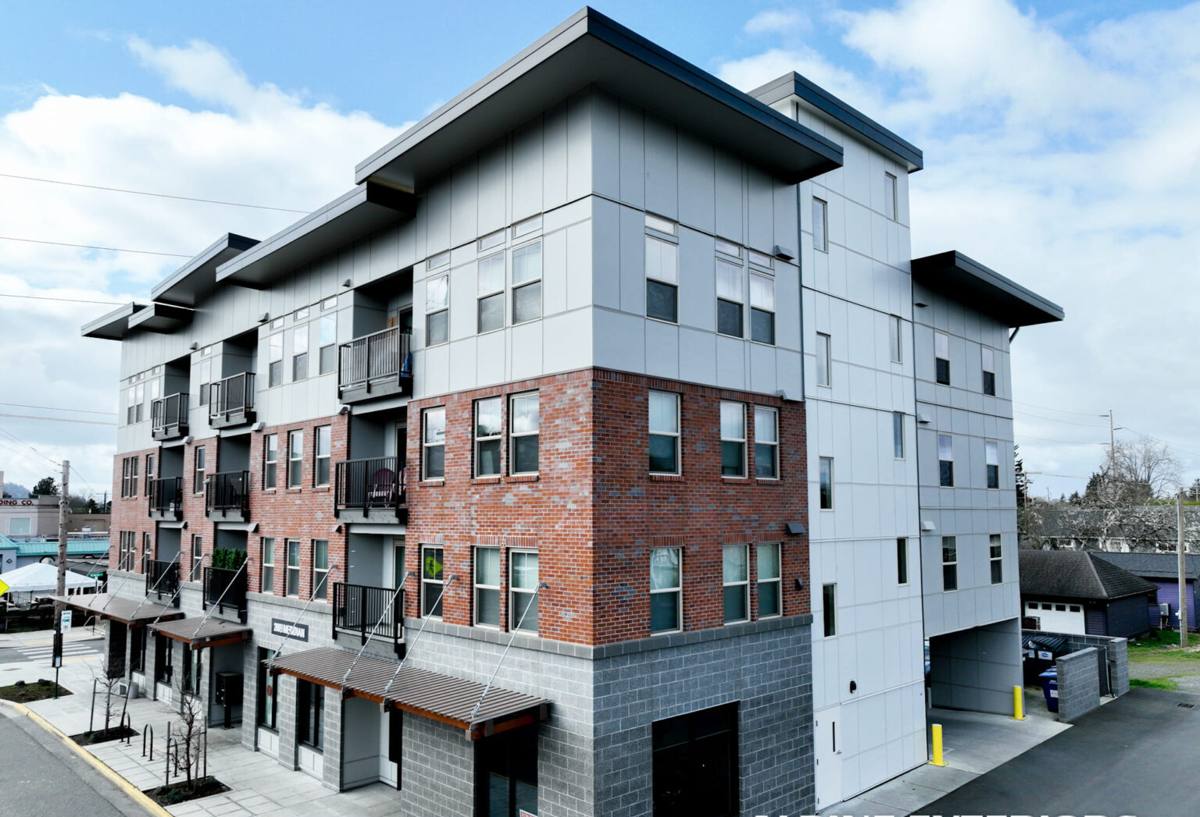
Columbia is one of Bellingham's older, established neighborhoods, sitting close enough to Bellingham Bay that homes here take on weather most inland houses never deal with. Salt-laden air off the water, long stretches of driving rain, and a moss season that can run half the year all put steady pressure on exterior siding. A siding installation that works fine in a drier part of Whatcom County can fail early here if it isn't matched to what Columbia actually experiences.
This page covers what that means for a real siding installation in Columbia: what the climate does to different materials, what correct installation practices look like, how our process works from first look to finished wall, and why hiring a crew that already understands this specific neighborhood's conditions matters more than most homeowners realize.
What Salt Air, Rain, and Moss Actually Do to a House
Three environmental factors do most of the damage to siding in Columbia and the rest of Bellingham:
- Salt air — Proximity to Bellingham Bay means airborne salt settles on exterior surfaces year-round. Salt accelerates corrosion of exposed metal fasteners, trim, and flashing, and it can degrade certain paints and coatings faster than inland exposure would.
- Driving rain — Whatcom County storms often come with enough wind to drive rain sideways into wall assemblies, not just straight down. Siding that isn't installed with proper laps, clearances, and flashing lets that wind-driven moisture find its way behind the cladding.
- Moss and prolonged dampness — Bellingham's long wet season keeps north-facing walls, shaded siding, and anything near overhanging trees damp for extended periods. Moss and algae take hold anywhere moisture lingers, and that dampness works against materials that absorb water rather than shed it.
None of these factors are unique to Columbia, but the combination — bay proximity plus a mature tree canopy in many parts of the neighborhood — makes correct material choice and correct installation more important here than in drier, more exposed parts of the county.
Why Material Choice Matters More Here Than the Brochures Suggest
Every siding product on the market is marketed as low-maintenance and weather-resistant. In a coastal, wet-winter climate like Bellingham's, the real-world differences show up within the first five to ten years, not on the sales sheet. Wood-based products need repeated repainting and are vulnerable to moisture wicking at joints. Vinyl can hold up structurally but tends to fade, warp in temperature swings, and doesn't stop moss and algae from taking hold on its surface. Engineered wood products vary in how well they resist prolonged dampness at cut edges and fastener points.
We install James Hardie fiber cement siding exclusively — we don't install vinyl, LP SmartSide, Cemplank, Allura, or bare cedar and primed spruce. That's a standard we hold to on every job, including here in Columbia, because fiber cement is non-combustible, dimensionally stable in wet-dry cycles, and holds a factory-applied ColorPlus finish that doesn't rely on field-applied paint to keep water out. James Hardie's HZ5 product line is engineered specifically for regions with the kind of moisture exposure Whatcom County sees, which is the version we spec for Bellingham installations.
What This Means for a Columbia Homeowner
Choosing the material is only half the equation — how it's installed determines whether it performs the way the manufacturer's engineering intends. A correct Hardie installation on a home exposed to bay air and driving rain looks different in the details than a standard installation manual might suggest for a milder climate, and that's where an experienced local crew earns its keep.
What a Correct Installation Actually Involves
Siding installation is often sold as a straightforward swap: old siding off, new siding on. In a climate like Columbia's, the parts homeowners don't see are what determine whether the wall stays dry for the next thirty years.
Weather-Resistive Barrier
Before any siding goes up, the wall needs a continuous, properly lapped weather-resistive barrier. Every penetration — outlets, hose bibs, vents — needs to be flashed and sealed into that barrier, not just caulked over the top of the finished siding later.
Flashing and Drainage Plane
Window and door flashing has to shed water down and out, not trap it against the sheathing. Where wind-driven rain is common, we also pay close attention to head flashing above openings and kickout flashing where roof lines meet walls — two details that are easy to skip and are usually the first place a poorly installed wall starts leaking.
Fastening and Fastener Material
Given the salt exposure near the bay, fastener corrosion resistance matters. We follow James Hardie's fastening specifications for coastal exposure, including corrosion-resistant fasteners, correct fastener spacing, and correct embedment depth — under-driven or over-driven fasteners are one of the most common causes of premature siding failure.
Clearances and Gaps
Fiber cement siding needs proper clearance from grade, roof lines, decks, and other trim to avoid trapping moisture against the bottom edge of the boards. Butt joints need to be gapped and sealed correctly rather than tightly butted, which cracks over time as the material expands and contracts.
Comparing Siding Materials for a Bay-Adjacent Bellingham Home
| Factor | James Hardie Fiber Cement | Vinyl | Wood / Engineered Wood |
|---|---|---|---|
| Moisture behavior | Dimensionally stable, doesn't absorb and swell | Doesn't absorb, but can warp with heat and cold cycling | Absorbs moisture at cut edges and joints without diligent sealing |
| Salt air resistance | Factory ColorPlus finish holds up well; fasteners are the main concern | Color can fade and chalk faster near salt air | Paint film breaks down faster; more frequent repainting |
| Moss/algae resistance | Resists surface growth better than porous materials | Smooth surface, but growth still occurs in shaded, damp areas | More prone to surface growth and softening where damp |
| Fire resistance | Non-combustible | Combustible, can melt/deform near heat | Combustible |
| Typical repainting need | Rare — factory finish is warrantied separately from the substrate | None, but color is baked in and can't be refreshed | Every 5-8 years in this climate |
Our Installation Process
The steps are the same whether the home is in Columbia, downtown Bellingham, or elsewhere in Whatcom County — what changes is how carefully we apply them given this neighborhood's exposure.
- On-site assessment — We walk the exterior, check the current siding and sheathing condition, look for existing moisture damage, and note anything specific to the lot: tree cover, wind exposure, roof-to-wall intersections.
- Tear-off and sheathing check — Old siding comes off and we inspect the sheathing underneath for rot or prior water damage before anything new goes up. Problems found here get addressed, not covered over.
- Weather-resistive barrier and flashing — A new barrier is installed and lapped correctly, with all openings and penetrations flashed before siding installation begins.
- James Hardie installation — Boards, panels, or shingle-style siding are installed to manufacturer specification: correct fastener type and spacing, correct clearances, correct joint treatment.
- Trim, caulking, and final detail work — Trim is installed, joints are sealed with appropriate sealants, and all transitions (roof lines, decks, foundation) are checked for proper water shedding.
- Final walkthrough — We review the finished work with the homeowner before calling the job complete.
Why Hiring a Crew That Already Works in Columbia Matters
Siding installation isn't identical from town to town, or even neighborhood to neighborhood. A crew that regularly works in Columbia and around Bellingham Bay already knows which details get skipped by less careful installers in this climate — where wind-driven rain tends to find gaps, which fastener choices hold up against salt air over time, and which parts of a wall assembly need extra attention because of shade and moisture retention from mature tree cover common in the area. That local pattern recognition is the difference between a siding job that looks right on install day and one that still performs correctly ten winters later.
Checklist: What to Ask Before Hiring a Siding Contractor in Columbia
- Are they certified to install the specific product they're proposing, and can they explain the manufacturer's fastening and flashing requirements for this region?
- Do they inspect and address sheathing condition before installing new siding, rather than covering over existing damage?
- Can they explain how they handle head flashing, kickout flashing, and window/door flashing specifically?
- Do they use fasteners rated for corrosion resistance given the bay's salt air exposure?
- Is the warranty they're offering tied to correct installation, and do they stand behind their labor separately from the manufacturer's material warranty?
- Have they worked on homes in Columbia or comparable Bellingham neighborhoods before, and can they speak to conditions specific to this area?
Living With Moss and Moisture After Installation
Even with correctly installed, moss-resistant fiber cement siding, homes in shaded parts of Columbia will still see some surface growth over time, especially on north-facing walls or under tree cover. Periodic gentle washing (never high-pressure blasting, which can force water behind properly installed siding and damage the finish) keeps growth from taking hold. Keeping gutters clear and trimming back vegetation that holds moisture against the wall goes a long way toward protecting the investment, regardless of which material is installed.
If your Columbia home needs new siding, or you're not sure whether your current siding is holding up the way it should against Bellingham's salt air and rain, we're happy to take a look. Reach out for a free, no-pressure estimate using the form below.