 Bellingham
 Why Deck Repair Looks Different in Cordata
Cordata is one of Bellingham's newer neighborhoods, built out steadily over the last couple of decades along Cordata Parkway and the streets around it. That means a lot of the decks here are hitting the point where the first real repair cycle starts — fasteners are corroding, boards are cupping, and joints that looked fine at year five are starting to show their age at year fifteen or twenty. Add in the climate Whatcom County is known for — salt-laden air drifting in off Bellingham Bay, long stretches of driving rain, and a moss season that can run from October well into April — and a deck that isn't inspected regularly will develop problems faster than most owners expect.
Deck repair in Cordata isn't fundamentally different from deck repair anywhere else in the region, but the pattern of failures is predictable enough that we plan for it. A deck built with standard pressure-treated lumber and mixed hardware ages differently than one built with composite decking and stainless fasteners, and the repair approach has to match what's actually there — not a generic checklist.
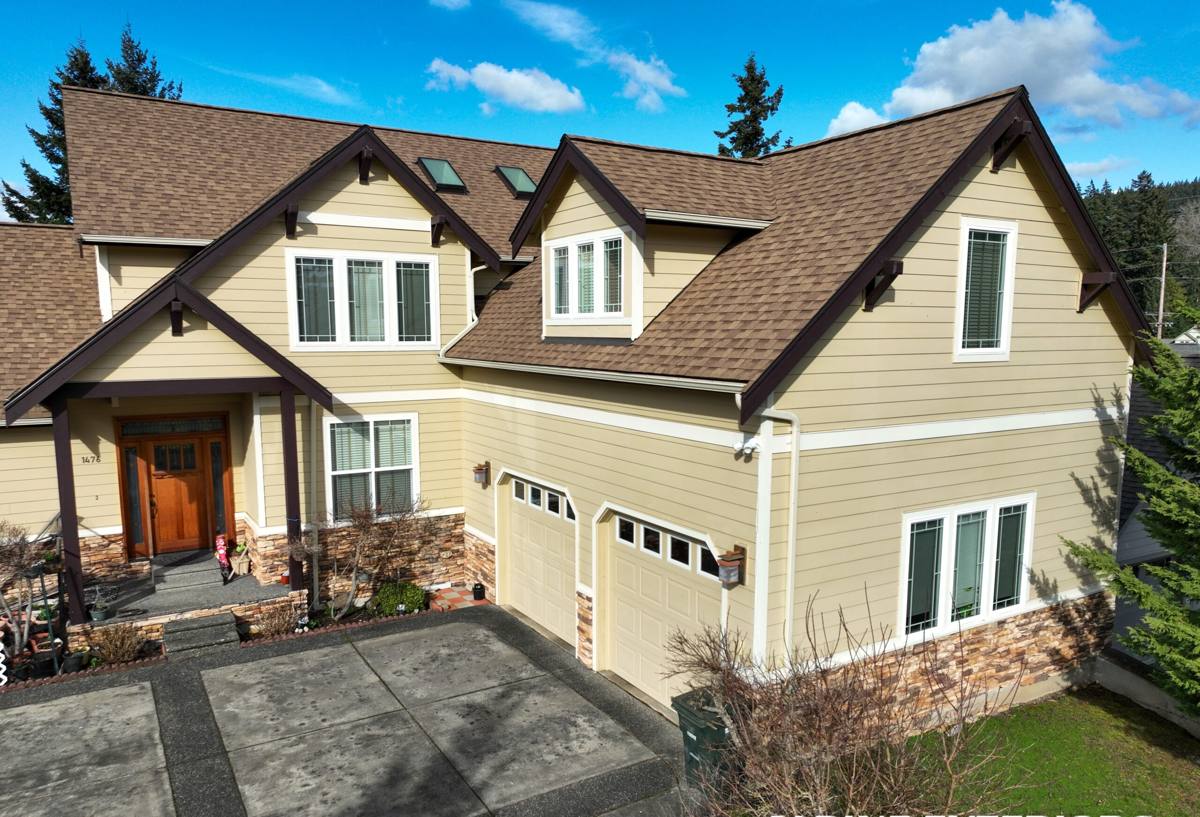
Where Cordata Decks Fail First
After years of repairing decks throughout Bellingham and north Whatcom County, we see the same handful of failure points show up again and again. Knowing where to look first saves time and money.
Ledger Board and Rim Joist
The ledger board — where the deck attaches to the house — is the single most important structural connection on most decks, and it's also the one most exposed to hidden water damage. Flashing that was installed poorly, or wasn't installed at all, lets rain track behind the ledger and rot the rim joist underneath. This kind of damage is invisible from the deck surface and often isn't found until boards start to feel spongy near the house or the deck develops a slight lean.
Fasteners and Hardware
Salt-laden marine air reaches inland neighborhoods like Cordata more than most homeowners realize, and it accelerates corrosion on anything less than a properly coated or stainless fastener. Galvanized nails and screws that looked adequate when the deck was built can rust from the inside out, staining the wood and weakening the connection long before the boards themselves fail.
Decking Boards
Standing water is the enemy of any wood deck board. Boards installed with tight gaps, or sitting in shaded areas that stay damp through our long moss season, cup, split, and hold moisture against the joists below. Composite boards resist rot but aren't immune to problems — heat-related expansion, fading, and moss buildup on shaded sections are common complaints even on newer composite decks.
Railings and Stairs
Railing posts and stair stringers take direct weather exposure and repeated stress from use, and post connections that weren't through-bolted properly tend to loosen over time. A wobbly rail post is one of the most common — and most overlooked — safety issues we find during a repair visit.
Wood or Composite: What It Means for a Repair
The right repair approach depends heavily on what the deck is built from. Both materials are common in Cordata, and both have real trade-offs worth understanding before deciding how to fix a problem area.
| Factor | Pressure-Treated Wood | Composite Decking |
|---|---|---|
| Typical failure mode | Rot, splitting, fastener corrosion staining | Fading, surface moss or algae, occasional swelling at cut ends |
| Repair approach | Board-by-board replacement is usually straightforward and affordable | Matching discontinued colors or profiles can be difficult; full sections sometimes need replacing together |
| Moss and driving rain resistance | Needs regular sealing or staining to hold up through wet seasons | Resists rot but can still trap moisture and grow moss on shaded, unwashed sections |
| Structural framing underneath | Same treated lumber framing regardless of surface material — this is where most hidden damage lives | Same treated lumber framing regardless of surface material — this is where most hidden damage lives |
| Long-term maintenance cost | Lower material cost, higher ongoing labor for sealing or staining | Higher material cost, lower ongoing surface maintenance |
One point that surprises a lot of homeowners: no matter what the surface decking is made of, the framing underneath — joists, beams, posts, and the ledger connection — is almost always standard treated lumber. That structure needs the same inspection and repair attention whether the deck on top is cedar, pressure-treated fir, or a composite product.
What a Correct Repair Actually Involves
A repair that only addresses the board a homeowner noticed is cupping or cracked often misses the reason it failed in the first place. A repair done right typically includes:
- Checking the ledger board and flashing for hidden water intrusion, not just surface appearance
- Testing joists and beams for soft spots with a probe, not just a visual look
- Replacing corroded fasteners with hot-dip galvanized or stainless hardware rated for treated lumber contact
- Confirming post bases and railing connections are properly bolted, not just nailed or screwed
- Matching replacement decking as closely as possible in species, width, and finish
- Re-sealing or refinishing repaired wood sections so they weather evenly with the rest of the deck
Skipping any of these steps usually means the same problem reappears in a season or two — often worse, because the underlying cause was never fixed.
Our Deck Repair Process
Inspection
We start by walking the entire deck, not just the area the homeowner flagged. That means checking under the deck where accessible, probing the ledger and rim joist, and testing railings for movement. Problems often cluster — a soft board near the house is frequently connected to a ledger flashing issue, not an isolated bad plank.
Scope and Options
Once we know what's actually going on, we lay out what needs to happen and why, including honest options when there's more than one reasonable path — for example, spot-repairing a few boards versus resurfacing a section that's showing widespread wear. We'd rather explain the trade-offs than push the most expensive option.
The Work
Repairs are done to match the existing structure and code requirements for railings, guard height, and fastening — not just patched to look right from a distance. Any framing repairs are completed before new decking goes down, since covering a weak joist with new boards on top just hides the problem again.
Cleanup and Walkthrough
We clear debris and old material from the site and walk the finished repair with the homeowner so they know exactly what was done and what to watch for going forward.
What Affects the Cost of a Deck Repair
Every deck repair is different, but a few factors reliably drive the cost more than others. A handful of cupped or split boards on an otherwise sound frame is a modest repair. A rotted ledger board, damaged rim joist, or widespread fastener corrosion is a bigger job because it involves opening up the structure, not just swapping decking. Material matters too — matching an existing composite color and profile can add cost and lead time compared with straightforward pressure-treated board replacement. Access plays a role as well: a deck that's easy to work under and around is faster to repair than one built tight to grade with limited crawl space. We walk through all of this during the estimate so there are no surprises once work starts.
Keeping a Repaired Deck From Needing This Again
A good repair buys years of extra life, but a deck in this climate still needs some seasonal attention. Homeowners in Cordata who stay ahead of these basics tend to avoid repeat repair calls:
- Sweep moss and debris off the deck surface before it has a chance to hold moisture, especially on shaded sections
- Keep gutters and downspouts clear so roof runoff isn't dumping extra water onto or near the deck
- Check railing posts for movement once or twice a year — a loose post is easy to catch early and harder to fix once it's rotted at the base
- Reseal or restain wood decking on a regular schedule, not just when it starts looking gray
- Rinse composite decking periodically to prevent algae and pollen buildup in shaded or low-airflow areas
- Have the ledger connection and framing checked every few years, since that's the damage least visible from the surface
Signs a Repair Shouldn't Wait
Some deck issues are cosmetic and can wait for a convenient time. Others are structural and shouldn't. Soft or spongy decking near the house, visible gaps or rust streaks at the ledger board, a railing that moves when pushed, stair stringers that flex underfoot, or a noticeable sag anywhere in the deck frame are all signs the deck needs attention before it sees heavy use again. When in doubt, it's worth having someone look before the next family gathering or heavy rain event, not after.
Why a Crew That Already Works Cordata Matters
A contractor who's already familiar with the deck construction common to Cordata's subdivisions — and with how Whatcom County's wet, mossy winters treat those decks over time — can usually diagnose the real problem faster and avoid repairs that only address the surface. Local experience also means knowing when a repair needs to meet current guard-height and fastening code, even on an older deck, and knowing what to check if a neighborhood association has its own guidelines on decking materials or appearance. That familiarity translates into fewer surprises and a repair that's built to hold up through the next few wet seasons, not just look good for the next one.
If you've got a deck in Cordata that's showing its age — or you just want an honest opinion on whether it needs repair now or can wait — we're happy to take a look. Estimates are free, there's no pressure, and you'll get a straight answer about what your deck actually needs. Use the form below to get started.