 Bellingham
 Building Decks in Bellingham's Sunnyland Neighborhood
Sunnyland is one of Bellingham's older in-town neighborhoods, with a mix of home ages, mature tree canopy, and lots that range from flat to noticeably sloped. That variety means no two deck projects here look the same. A newer home on a level lot has different structural needs than a mid-century house with a sloped backyard and a deck built decades ago to a different code. What doesn't change is the climate every deck in this neighborhood has to survive: damp air off Bellingham Bay, months of steady rain, and shade patterns that keep moss and algae coming back year after year.
We build and replace decks for homeowners throughout Sunnyland and the surrounding Bellingham area, and this page is about what actually matters when you're putting a deck on a home in this specific corner of Whatcom County — not generic advice that could apply anywhere in the country.
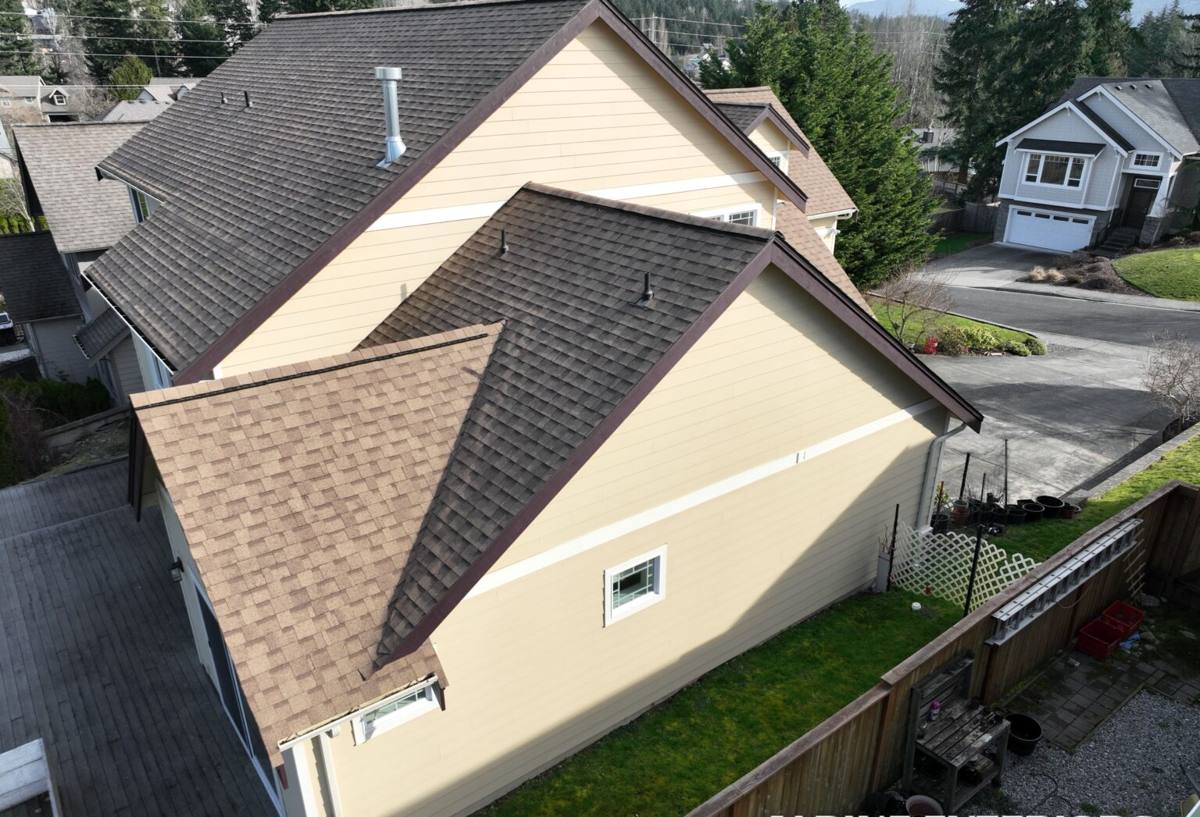
What Bellingham Bay's Climate Means for a Deck
Whatcom County's marine climate is easy on people and hard on wood. A few specific factors drive most of the deck problems we get called out to fix:
Salt Air and Metal Corrosion
Sunnyland's proximity to Bellingham Bay means a steady, low-level exposure to salt-laden air, even a few miles inland. Over years, that air accelerates corrosion on fasteners, joist hangers, and any exposed hardware that isn't rated for it. A deck that looks solid on the surface can have compromised connectors underneath if the wrong hardware was used the first time around.
Driving Rain
Rain here doesn't just fall straight down — wind off the water pushes it sideways into ledger boards, under railings, and into any gap in the flashing. A deck built without proper ledger flashing or with fasteners driven straight through unprotected wood will eventually let water track into the house rim joist, which is one of the more expensive repairs a homeowner can face.
The Long Moss Season
Shaded yards and consistent moisture from fall through spring give moss, algae, and mildew a long runway on any horizontal wood surface. Moss holds moisture against the board, and that constant dampness is what actually causes rot — the moss itself is more a symptom than the root problem. Deck boards on the north or shaded side of a Sunnyland lot need either a material or a finish schedule that accounts for this, or they'll need re-treating far more often than a homeowner expects.
Material Choices That Actually Hold Up Locally
There's no single "best" decking material — there's a best material for your budget, your maintenance tolerance, and how much shade and moisture your specific lot gets. Here's how the common options compare for a Sunnyland-type climate:
| Material | Upfront Cost | Maintenance | Moisture & Moss Resistance | Typical Lifespan |
|---|---|---|---|---|
| Pressure-treated lumber | Lowest | Annual cleaning, re-stain every 1-2 years | Fair — needs consistent sealing to perform well | 10-15 years |
| Cedar | Moderate | Cleaning and oil/stain every 1-2 years | Good naturally, but finish wears in shaded spots | 15-20 years |
| Composite decking | Higher | Occasional washing, no staining | Very good — doesn't absorb moisture like wood | 25-30+ years |
| PVC/capped polymer | Highest | Lowest — rinse as needed | Excellent, fully moisture-sealed surface | 30+ years |
For heavily shaded lots — common on parts of Sunnyland with mature trees — we lean toward steering homeowners away from uncapped composite or bare cedar unless they're genuinely willing to keep up with cleaning. The maintenance burden in a shaded, damp yard is real, and it's better to have that conversation honestly up front than to sell a low-maintenance product that isn't actually low-maintenance in that specific spot.
What a Correctly Built Deck Requires
A deck that lasts in this climate comes down to details most homeowners never see once the boards are down. These are the ones we won't skip:
Footings Below Frost Depth
Footings need to be sized and set to local frost depth and soil conditions, not just "deep enough to look right." On sloped Sunnyland lots this often means variable footing depths across a single deck, which takes more planning than a flat-lot build.
Ledger Board Flashing
The ledger — where the deck attaches to the house — is the single most common failure point on older decks in wet climates. Proper flashing (and in many cases a waterproof membrane behind it) keeps water from wicking into the house structure. This is not an area to cut corners, ever.
Corrosion-Rated Hardware
Given the salt-air exposure discussed above, we use fasteners, joist hangers, and post bases rated for coastal/wet-climate use, not standard interior-grade hardware. It costs a little more up front and saves a full hardware failure a decade in.
Proper Drainage and Airflow Underneath
Decks built low to the ground or over poorly graded soil trap moisture underneath, which speeds up rot from below — often invisible until a board fails. Grading, gapping, and ventilation under the structure matter as much as what's on top.
Cost Factors Homeowners Should Know About
Every deck quote is different because every yard, structure, and design is different. The factors that move the price most are:
| Factor | Why It Affects Cost |
|---|---|
| Height off grade | Taller decks need more substantial framing, railings, and often stairs |
| Ground slope | Sloped Sunnyland lots often need variable footing depths and extra framing |
| Decking material | Pressure-treated, cedar, composite, and PVC span a wide cost range, as shown above |
| Railing type | Wood, metal, and cable railing systems all carry different material and labor costs |
| Attachment vs. freestanding | Ledger-attached decks require different engineering than freestanding structures |
We walk through each of these during the estimate so the number you get reflects your actual yard, not a generic per-square-foot guess.
Our Deck-Building Process
Site Visit and Design
We start by walking the actual lot — slope, sun/shade exposure, drainage, and how the deck ties into the house — before recommending materials or layout. What works on a flat, sunny lot elsewhere in Bellingham may not be the right call for a shaded Sunnyland backyard.
Permitting
Most deck projects in Bellingham require a building permit, and elevated decks almost always do. We handle the permit process and build to current code, including proper footing depth, guardrail height, and stair specifications — this protects you at resale and with insurance, not just during the build.
Construction
Framing first, with every ledger, footing, and connection point built to hold up to the moisture load this climate puts on it, then decking, railing, and any stairs. We keep the site reasonably clean and communicate on schedule as we go.
Final Walkthrough
Before we consider the job done, we walk it with you — checking fastener finish, railing stability, and any final grading or cleanup around the structure.
Common Problems We Fix on Older Sunnyland Decks
A lot of our deck work in this neighborhood isn't new builds — it's replacing or repairing decks that were built to an older standard or with the wrong materials for this climate. The patterns we see most often:
- Ledger boards with no flashing, showing rot at the house connection point
- Rusted or corroded joist hangers and fasteners from non-rated hardware
- Soft or spongy decking in permanently shaded areas where moss held moisture against the wood
- Railings that no longer meet current code height or spacing requirements
- Footings that have shifted or heaved on sloped or poorly drained sections of yard
If your deck is showing any of these signs, it's worth having it looked at before a soft board turns into a structural problem.
Keeping a New Deck Looking Good in This Climate
Whatever material you choose, a little seasonal upkeep goes a long way in a climate like this one:
- Sweep leaves and debris off the deck regularly in fall, especially under trees — trapped organic matter feeds moss growth
- Wash the surface at least once a year with a deck-safe cleaner to knock back moss and algae before it takes hold
- Check and re-seal wood decking on the schedule appropriate to the product — don't wait until it looks dry and gray
- Keep gutters and downspouts clear so runoff isn't dumping extra water directly onto or under the deck
- Inspect railings, stairs, and ledger flashing once a year for loose fasteners or early rot
Why Hire a Crew That Already Works in Sunnyland
Deck building isn't complicated in theory, but building one that actually holds up to Whatcom County's rain, salt air, and moss season takes local experience — knowing which lots need extra drainage work, which hardware actually resists corrosion here, and what the City of Bellingham's permitting process expects. A crew that already works this neighborhood isn't guessing at any of that. We're not driving in from out of the area to give an estimate and disappear — we're building decks people in this neighborhood will still be standing on in twenty years, and standing behind that work matters to us.
If you're planning a new deck or need an honest look at one that's showing its age, we're happy to come take a look. Reach out for a free, no-pressure estimate — we'll walk your yard, talk through material options that make sense for your lot, and give you a straight answer, whether that's a full rebuild or just a repair.