 Bellingham
 Windows Built for Edgemoor's Weather, Not Just Its Views
Edgemoor sits close enough to the water that homes here take a different kind of weather beating than houses further inland in Bellingham. Salt-laden air moves off Bellingham Bay, wind-driven rain comes in sideways during the fall and winter storm cycles, and the tree canopy that makes the neighborhood so pleasant also means shade, moisture, and moss for a good chunk of the year. Windows in this environment aren't just an energy-efficiency upgrade or a cosmetic choice. They're one of the main lines of defense keeping water out of your wall assembly.
A window that's a good fit for a dry inland climate can still fail here if it isn't detailed correctly for wind-driven rain and constant moisture exposure. That's the gap we focus on closing: not just selling a window, but installing it in a way that actually holds up to Whatcom County's coastal conditions year after year.
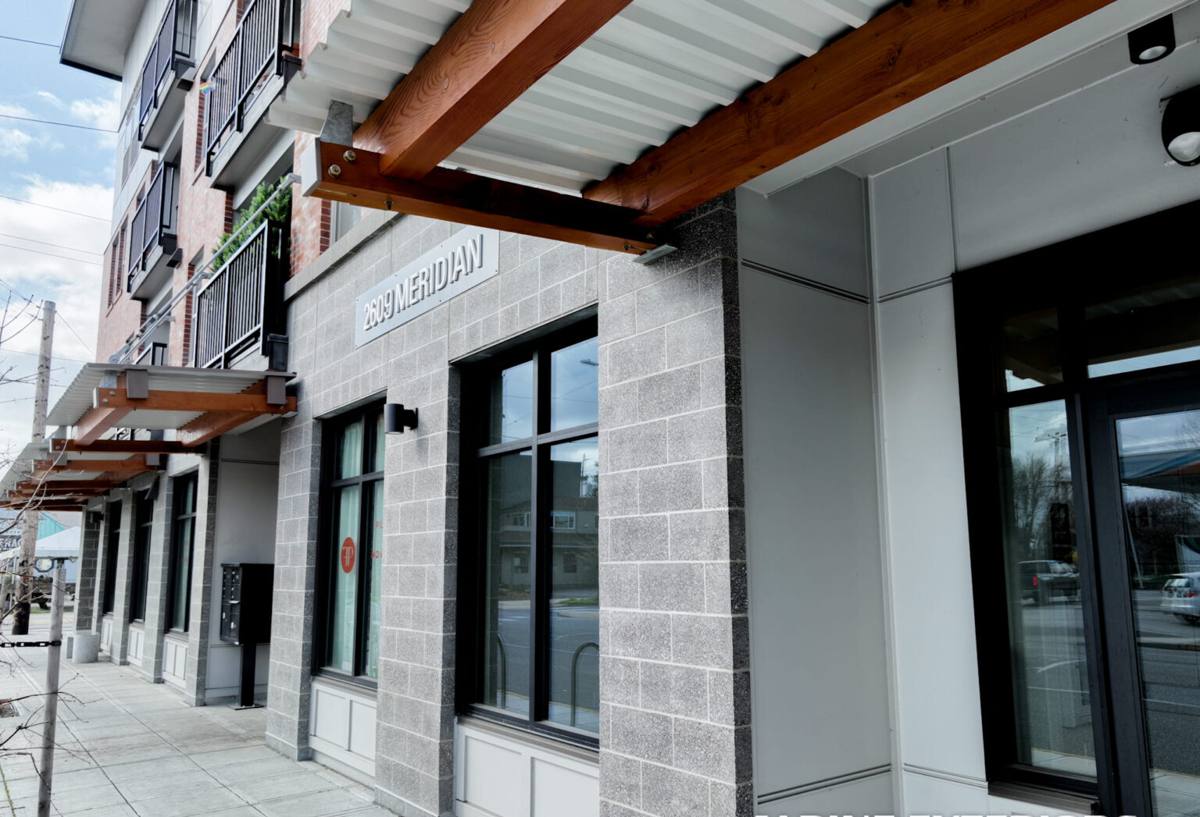
What Edgemoor Homes Actually Deal With
Salt Air and Hardware Corrosion
Homes near the water see accelerated corrosion on anything with exposed metal fasteners, hinges, or cladding trim. Cheap flashing tape, uncoated fasteners, and low-grade weatherstripping degrade faster here than they would ten miles inland. We factor that into material choices and detailing, not just the window unit itself.
Driving Rain, Not Just Rain
Bellingham gets a lot of rain, but the specific issue in Edgemoor is wind-driven rain — water pushed sideways and upward under normal building overhangs. That means head flashing, sill pans, and sealant lines have to be installed with more margin for error than a mild-weather region requires. A window that's "basically sealed" isn't good enough when storms push moisture at odd angles for hours at a time.
Moss, Shade, and Slow-Drying Surfaces
The tree cover that gives Edgemoor its character also keeps siding and window trim damp longer after a storm. Moss and algae growth around window perimeters isn't just cosmetic — it holds moisture against wood trim and can mask early rot if nobody's looking closely. Homes with a lot of shade need window details that shed water quickly rather than trapping it.
What a Correct Window Installation Actually Involves
A lot of window problems homeowners blame on the "window brand" are actually installation problems. The unit itself is often fine — the flashing sequence, air sealing, and integration with the existing wall assembly is where failures start. Here's what we consider non-negotiable on every job:
- Removing old units carefully to expose the rough opening and check for hidden rot or prior water damage before anything new goes in
- Correct flashing sequence — sill pan first, then side flashing, then head flashing, shingled so water always sheds outward and downward, never trapped behind a layer
- Proper sill pan slope so any water that does get past the window drains back outside instead of pooling on the sill
- Compatible, high-quality sealants and tapes rated for coastal/marine exposure, not generic caulk that hardens and cracks within a couple of seasons
- Shimming and fastening per manufacturer spec so the window operates correctly and doesn't rack or bind over time
- Insulating the gap between the window frame and rough opening properly — not overpacked, not left hollow
- Interior and exterior trim work sealed and finished so the whole assembly reads as one continuous water-managed system, not a window dropped into a hole
Skip or rush any one of these steps and you can end up with a window that looks fine for a year or two, then starts showing water stains, soft trim, or drafts — usually right around the next major storm season.
Choosing Windows That Make Sense for This Location
We don't push one brand as the only option, because the right window depends on the home's exposure, budget, and existing construction. What we do care about is matching frame material and glazing to the actual conditions the window will face in Edgemoor.
| Frame Material | How It Handles This Climate | Maintenance Consideration |
|---|---|---|
| Vinyl | Good moisture resistance, no corrosion risk from salt air, consistent performance | Low maintenance; verify UV-stable formulation for long-term color hold |
| Fiberglass | Very stable in temperature and moisture swings, holds up well near the coast | Low maintenance; higher upfront cost, longer expected service life |
| Wood (clad exterior) | Attractive interior option, but exterior wood trim needs protection from constant damp/shade exposure | Higher maintenance; exterior cladding helps but sill details matter more here |
| Aluminum | Strong but conducts heat and cold, and uncoated aluminum is more prone to corrosion near salt air | Requires quality coatings and thermal breaks in this environment |
Glazing matters too. Double-pane with a quality low-E coating is the practical baseline for this area — it manages condensation better on cold, damp Bellingham mornings and helps offset heating costs through our long wet season. Triple-pane can make sense on north- or west-facing walls that take the brunt of wind-driven rain, but it's not always worth the added cost on every elevation of every home.
Our Process on an Edgemoor Job
1. On-Site Assessment
We look at each window opening individually — sun exposure, tree cover, proximity to grade, and any existing signs of moisture intrusion or trim damage. Edgemoor homes vary block to block depending on how close they sit to the water and how much canopy cover surrounds them, so a one-size approach doesn't work.
2. Honest Scope and Options
We walk through what's actually needed — full frame replacement versus insert replacement, which openings are priority versus which can wait, and what frame/glazing combination fits the budget and exposure. No pressure to upgrade everything at once if it's not necessary.
3. Careful Removal and Opening Inspection
Every removal is a chance to check what's behind the old window. If we find soft sheathing or old water damage, we flag it before proceeding rather than sealing a problem back into the wall.
4. Installation to Manufacturer and Regional Standard
We follow manufacturer installation instructions as the baseline, then add the coastal-specific detailing this area needs — enhanced flashing laps, sill pan drainage, and sealant selections rated for marine exposure.
5. Final Weatherproofing and Walkthrough
Trim, caulk lines, and operation checks happen before we call the job done. We show the homeowner what was done and why, especially around flashing and drainage details that aren't visible once trim goes back on.
Why a Crew That Knows Edgemoor Matters
Window installation technique isn't uniform across Whatcom County. A crew used to drier, more sheltered inland jobs can do a technically fine installation that still isn't matched to what Edgemoor's exposure demands — heavier flashing overlaps, more conservative sealant choices, and closer attention to sill drainage. We work in this neighborhood regularly, so we're not guessing at how the wind and rain move through here or how much moss and shade exposure a given wall sees over a year.
That familiarity also shows up in smaller ways: knowing which older Edgemoor homes tend to have original single-pane wood windows that need full frame replacement versus newer construction where an insert replacement is a reasonable option, and recognizing early moisture damage before it becomes a bigger repair.
Signs Your Current Windows Are Struggling
- Fogging or condensation between panes, indicating a failed seal
- Soft or discolored trim around the window, especially on north- or west-facing walls
- Visible moss or dark staining building up on the sill or exterior casing
- Drafts or noticeable temperature difference near the window on windy days
- Difficulty opening, closing, or locking the window, which can indicate frame movement or rot
- Peeling paint or bubbling on interior trim near the window frame
Catching these early is a lot less expensive than waiting until water has worked its way into the surrounding wall assembly.
Cost Factors Worth Understanding Upfront
| Factor | Why It Affects Cost |
|---|---|
| Full frame vs. insert replacement | Full frame replacement involves more labor and exterior trim work but is often necessary when the existing frame is damaged |
| Number of openings and wall exposure | Windows on the rain- and wind-exposed sides of the house typically need more detailed flashing work |
| Frame material selected | Vinyl, fiberglass, wood-clad, and aluminum all carry different material costs and labor requirements |
| Existing damage discovered during removal | Rotted sheathing or framing found once the old window is out adds repair scope that couldn't be priced sight-unseen |
| Trim and siding integration | Matching or repairing surrounding siding and trim after installation affects overall project cost |
Broad ranges for residential window replacement in this region typically run from a few hundred dollars per window on the low end for straightforward insert replacements, up into the low thousands per window for full frame replacement with higher-end materials — but the only way to get a number that means anything is a site visit, since every opening is different.
Timing the Work Around Whatcom County's Seasons
Window replacement can technically happen year-round, but scheduling around the wettest stretches of late fall and winter reduces the number of weather delays and keeps openings exposed for less time during removal and install. Spring and summer tend to offer more predictable working conditions, though we plan around whatever window of dry weather is available regardless of season.
If you're weighing window replacement for a home in Edgemoor, we're happy to take a look and give you a straightforward assessment — what's actually needed, what can wait, and what it will cost. There's no pressure and no obligation. Fill out the form below to schedule a free estimate.