 Bellingham
 Roofing in Cordata: A Different Climate Than It Looks
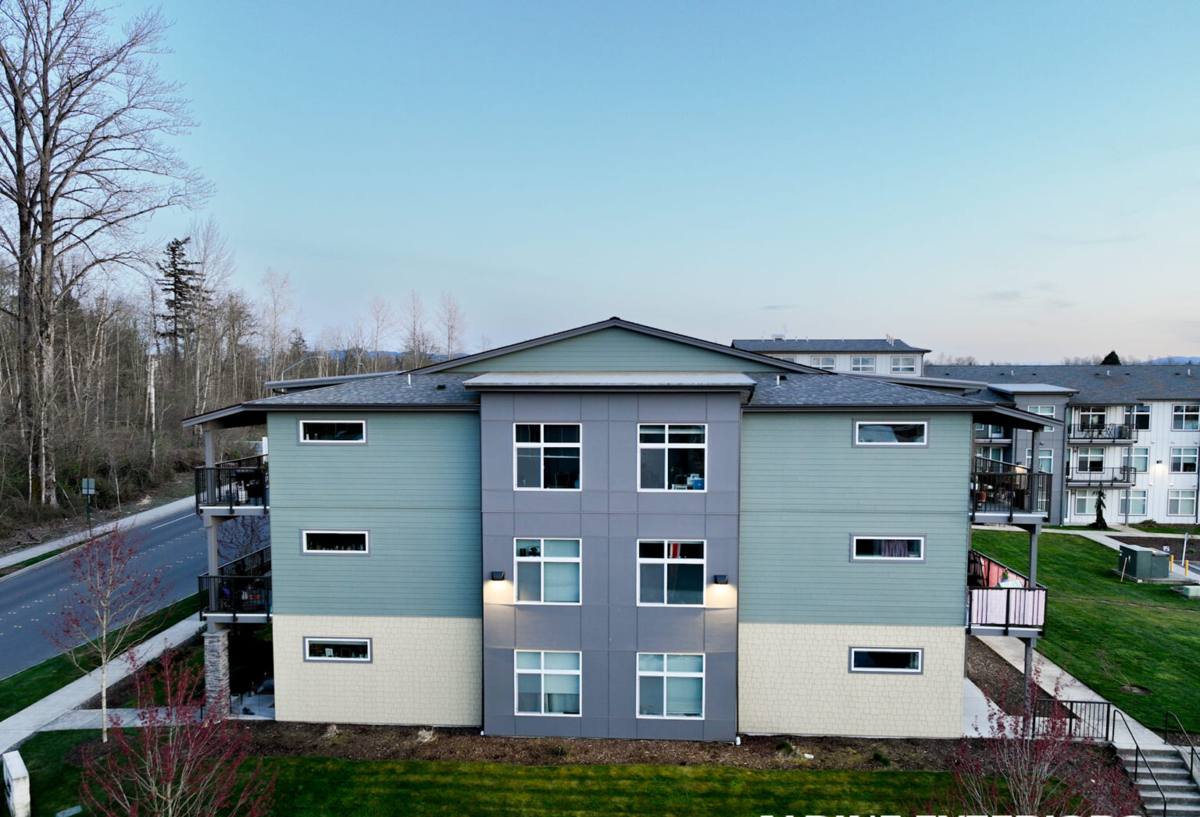
Cordata sits in north Bellingham, close enough to the water and to Whatcom County's marine weather patterns that its roofs take a different kind of beating than roofs a few hundred miles inland. It's not dramatic weather — no hail storms, no hurricane season — but it's relentless. Long stretches of drizzle, damp air that never fully dries out between fall and spring, and enough tree cover in the surrounding neighborhoods to keep shade and organic debris landing on roof surfaces most of the year. Add the salt-laced air that moves inland off the Puget Sound and Bellingham Bay, and you get a slow, steady kind of wear that doesn't always look urgent until it is.
A roof that would hold up fine in a dry climate can start failing early here if it wasn't built with this environment in mind. That's the whole point of a locally-focused replacement: matching the materials, ventilation, and installation details to what Cordata roofs actually deal with, not what a generic spec sheet assumes.
What Actually Wears Out a Cordata Roof
Moss and Organic Growth
Whatcom County's moss season runs long — realistically most of the year on shaded or north-facing roof slopes. Moss isn't just cosmetic. Its root structures work into shingle granules and mat layers, holding moisture against the roof deck long after the rest of the roof has dried. Left unchecked for years, that trapped moisture accelerates shingle breakdown and can work its way into the decking underneath.
Driving Rain and Wind-Driven Moisture
Bellingham doesn't get torrential rain often, but it gets a lot of it, and a fair amount arrives at an angle during winter wind events. That matters for anything horizontal on a roof — flashing laps, valleys, and vent boots — because wind-driven rain finds gaps that straight-down rain never would.
Salt Air and Metal Fatigue
Salt-laced coastal air is harder on exposed metal than most homeowners expect. Flashing, fasteners, gutters, and any exposed metal roofing components corrode faster near the coast than they would inland, especially if the metal or hardware wasn't rated for a marine environment to begin with.
Signs Your Cordata Roof Needs Replacement, Not Just Repair
Not every roof problem calls for a full replacement — a lot of leaks and isolated damage can be repaired. But there's a point where patching stops making financial sense. Common signs we look for on Cordata homes:
- Granule loss heavy enough that shingles look patchy or blotchy from the ground
- Moss or algae covering large sections rather than isolated patches
- Soft or spongy spots underfoot when walked (a sign of decking damage, not just surface wear)
- Curling, cupping, or cracking shingles across multiple slopes, not just one exposed area
- Daylight visible through the attic roof deck, or water staining on attic sheathing
- A roof approaching or past the manufacturer's expected service life for this climate
- Repeated leak repairs in different spots each year rather than one recurring issue
If a roof is showing two or more of these at once, replacement is usually the more honest recommendation — repeated repairs on a roof that's structurally past its useful life end up costing more over a few years than doing the job right once.
What a Correct Roof Replacement Actually Involves
A roof replacement is more than swapping old shingles for new ones. Done right, it's really a system replacement, and skipping steps is exactly how a new-looking roof ends up leaking within a few years in this climate.
Full Tear-Off and Deck Inspection
We remove the existing roofing down to the deck rather than layering over it. That's the only way to actually see the condition of the sheathing underneath — soft, delaminated, or water-stained decking has to be replaced before anything new goes down, and you can't know it's there without pulling the old roof off.
Underlayment Built for Wet Climates
In a region with this much sustained moisture exposure, the underlayment matters as much as the shingle on top of it. We use synthetic or self-adhered underlayment products suited to marine climates, with extra attention to ice-and-water membrane at eaves, valleys, and roof-to-wall transitions — the spots where wind-driven rain and ice dams (on the occasional cold snap) cause the most damage.
Flashing and Penetration Details
Most roof leaks don't come from the field of the roof — they come from flashing around chimneys, skylights, vent pipes, and wall intersections. We replace flashing rather than reusing old pieces, and we use corrosion-resistant metal given the salt exposure common to this area.
Ventilation
Proper intake and exhaust ventilation keeps the attic space closer to outdoor temperature and humidity, which reduces condensation on the underside of the deck and slows moss regrowth on the roof surface. A lot of older Cordata homes were built with minimal or mismatched ventilation, and correcting it during a replacement is one of the more overlooked value-adds of the job.
Material Options for This Climate
There's no single "best" roofing material for every home — it depends on budget, roof pitch, house style, and how long you plan to own the home. Here's how the common options stack up for Cordata's conditions specifically:
| Material | Moss/moisture resistance | Typical lifespan here | Notes for this climate |
|---|---|---|---|
| 3-tab asphalt shingle | Fair | 15–20 years | Budget option; less algae-resistant granule coating than architectural lines |
| Architectural (laminate) asphalt shingle | Good | 25–30 years | Most common choice locally; look for algae-resistant (AR) granules |
| Standing seam metal | Very good | 40–50+ years | Sheds moss and moisture well; needs marine-grade fasteners and coatings near the coast |
| Composite/synthetic shingle | Good | 30–40 years | Resists moisture absorption better than natural wood alternatives |
For most Cordata homes, an architectural shingle with algae-resistant granules is the practical middle ground — meaningfully better moss resistance than a basic 3-tab, without the upfront cost jump of metal. Homes with heavy tree shade or a longer planned ownership horizon are often better served by metal or composite, even at a higher upfront cost, because the maintenance burden drops substantially.
Our Process, Start to Finish
- On-site inspection and estimate. We look at the roof, attic ventilation, and any visible interior signs of moisture before quoting anything — not a drive-by number.
- Material selection. We walk through options based on your budget, roof pitch, and how much moss/shade exposure your specific lot has.
- Scheduling around weather. Roofing in this climate means watching forecasts closely and sequencing tear-off so the deck isn't left exposed longer than necessary.
- Tear-off and deck inspection. Old roofing comes off, decking is inspected and repaired as needed, and you're shown what we find before it's covered up.
- Underlayment, flashing, and ventilation installation. The parts that determine whether the roof actually performs long-term, not just looks new.
- Final shingle or panel installation. Installed to manufacturer spec, which matters for both performance and warranty validity.
- Cleanup and final walkthrough. Site cleared of debris and nails, and we walk the finished roof with you.
What to Look for When Hiring a Roofer in Cordata
Roofing has a low barrier to entry, which means the range of quality between contractors in Whatcom County is wide. A few things worth checking before signing anything:
- Washington State contractor license and current liability insurance — ask to see it, not just take their word
- A written estimate that specifies materials, underlayment type, and flashing scope — not just a total dollar figure
- Manufacturer certification for the shingle or metal system being installed, which affects what warranty coverage you actually get
- Local references or a track record of jobs in this climate specifically, not just general roofing experience
- A clear plan for weather delays — anyone roofing here without one is setting you up for problems
Why a Crew That Already Works Cordata Matters
A roofing crew that works Cordata and the surrounding Bellingham neighborhoods regularly already knows which slopes tend to hold moss longest, how local wind patterns hit flashing details, and which underlayment and fastener choices actually hold up against Whatcom County's marine air rather than just meeting a generic code minimum. That local pattern recognition is hard to replicate with a crew that only passes through the area occasionally — it shows up in fewer callbacks and roofs that perform the way they're supposed to for their full expected lifespan.
If your Cordata roof is showing wear, or you're just not sure whether it's a repair-or-replace situation, we're glad to take a look and give you a straight answer. The estimate is free, there's no pressure attached to it, and you can use the form below to get started.