 Bellingham
 Siding Installation in Birchwood: Built for Bellingham's Coastal Climate
Birchwood sits close enough to Bellingham Bay and the surrounding waterways that homes here take a different kind of beating than siding further inland. Salt-laden air works into seams and fastener heads. Driving rain off Puget Sound pushes horizontally into wall assemblies during winter storms. And the long, gray moss season that Whatcom County is known for keeps north-facing and shaded walls damp for weeks at a stretch. A siding installation in this neighborhood isn't a generic job — it has to be planned around these specific conditions from the first measurement to the last caulk line.
We install James Hardie fiber cement siding exclusively, and we've set up our process around what Birchwood homes actually need to hold up long-term in this climate. This page walks through what that looks like: the local stresses on siding here, what a correct installation involves, how our crew runs the job, and why local experience matters more than most homeowners expect.
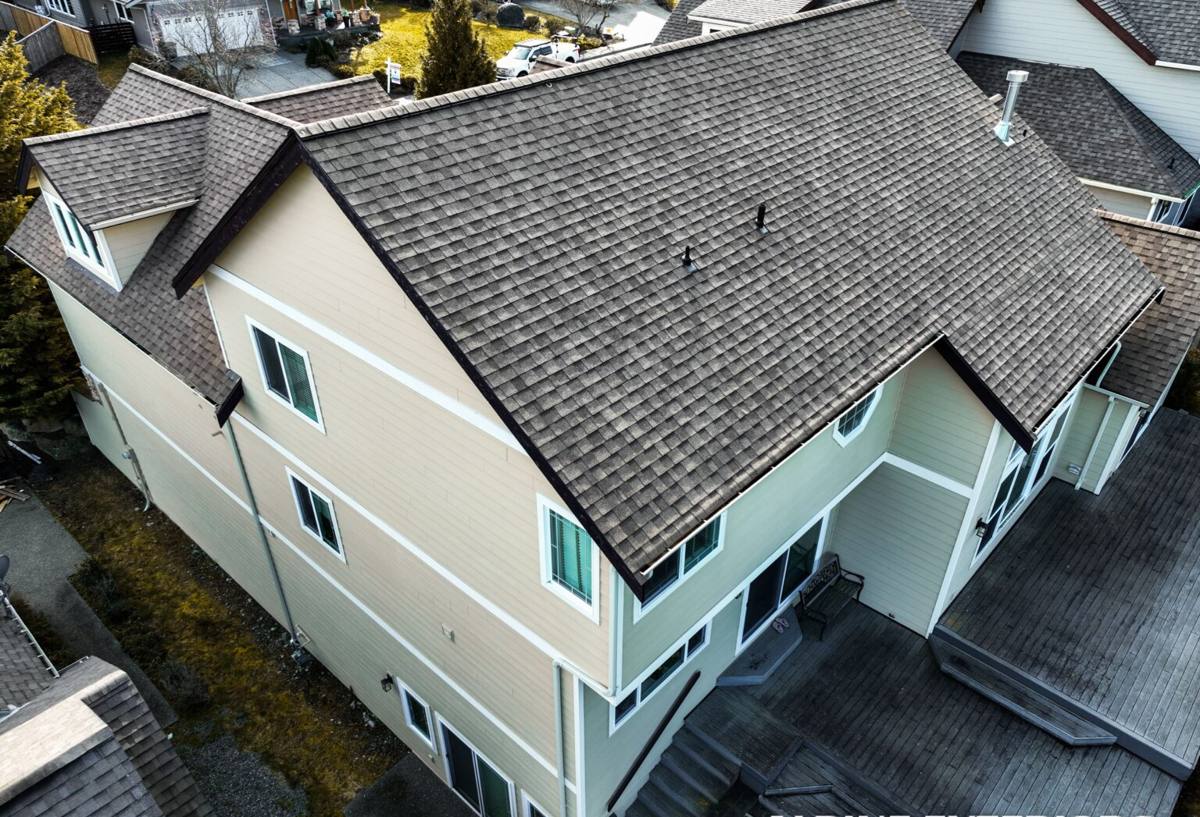
What Birchwood's Climate Does to Siding
Salt Air and Corrosion
Homes closer to the water deal with airborne salt that accelerates corrosion on fasteners, flashing, and any exposed metal trim. Over years, this can loosen siding at the fastener points or cause rust streaking that's hard to reverse. Material choice and fastener spec both matter here — this isn't a place to cut corners on hardware.
Driving Rain and Wind-Driven Moisture
Bellingham's weather pattern brings sustained rain events, often paired with wind off the bay that drives water sideways into wall surfaces rather than letting it simply run down. That means water-resistive barriers, flashing details, and butt joint sealing all have to be done to spec — not just "good enough" for a dry-climate install. A siding system that isn't detailed for wind-driven rain will eventually let moisture behind the cladding, and once that happens, the problem is inside the wall, not on the surface.
Moss, Shade, and Prolonged Dampness
Whatcom County's tree cover and long overcast stretches mean many walls — especially north- and east-facing ones — stay damp far longer after a rain than they would in a sunnier climate. Wood-based siding products are especially vulnerable to this: sustained moisture is exactly the condition that leads to rot, swelling, and moss or algae growth on the surface. Fiber cement doesn't feed mold or rot the way wood-based products can, which is a real advantage on shaded Birchwood lots.
Why We Only Install James Hardie Fiber Cement
We've made a deliberate choice not to install vinyl, LP SmartSide, primed spruce, cedar, or other fiber cement brands like Cemplank or Allura. That's not a marketing position — it's a standard we hold because of what we've seen play out on homes in this exact climate over time.
- Non-combustible: James Hardie fiber cement doesn't feed a fire the way wood-based sidings can, which matters for insurance and for peace of mind.
- Moisture behavior: Fiber cement is engineered to resist the swelling, delamination, and rot that wood-based products are prone to in a wet, shaded climate like Whatcom County's.
- Climate-specific engineering: Hardie's HZ5 product line is formulated for the Pacific Northwest's moisture and freeze-thaw cycles, not a generic national spec.
- Factory-applied finish: ColorPlus finish is baked on at the factory under controlled conditions, which holds up better against salt air and UV than field-applied paint.
- Warranty structure: A strong, transferable manufacturer warranty backs the material — valuable if you sell the home down the road.
Vinyl can work loose and warp under repeated wind loading, and its seams and J-channels give wind-driven rain more opportunities to find a way in. LP SmartSide and primed spruce are wood-based, which means they're more exposed to the exact moisture and moss conditions Birchwood sees for months at a time. None of these are "bad" products in every setting — but for this neighborhood's conditions, we don't think they're the right call, and we'd rather turn down work than install something we don't believe will hold up here.
What a Correct Siding Installation Involves
Tear-Off and Substrate Inspection
Every installation starts with removing the old siding down to the sheathing and inspecting for hidden damage — soft spots, past water intrusion, or compromised framing. In a climate like ours, it's common to find issues behind old siding that weren't visible from outside, especially on shaded or west-facing walls that catch the most driving rain.
Water-Resistive Barrier and Flashing
A weather-resistant barrier goes over the sheathing, lapped correctly so water sheds downward and outward rather than pooling behind the cladding. Flashing at windows, doors, and roof-to-wall transitions gets particular attention — these are the highest-risk points for wind-driven rain intrusion, and rushing this step is where a lot of siding failures start, regardless of the cladding material installed over it.
Fastening and Clearances
James Hardie specifies exact fastener types, spacing, and penetration depth — deviating from spec is one of the most common ways installers void the manufacturer warranty without realizing it. We also maintain proper clearances from grade, roof lines, and decks so water has somewhere to go instead of wicking into the bottom edge of the siding.
Joints, Caulking, and Finish Details
Butt joints and trim transitions are sealed with a caulk rated for this climate's moisture exposure, and factory-finished ColorPlus edges are field-treated where cut to maintain the finish's protection. These are small details, but they're the ones that determine whether a wall stays dry for thirty years or starts showing problems in five.
Our Process for a Birchwood Siding Installation
- On-site assessment: We walk the exterior, check the current siding and substrate condition, and note the specific exposure each wall faces — sun, shade, wind direction, proximity to water.
- Scope and product selection: We recommend the right James Hardie product line and profile for the home, factoring in the moss and moisture conditions specific to the lot.
- Written estimate: A clear, itemized quote — no vague allowances, no pressure to decide on the spot.
- Tear-off and prep: Old siding removed, substrate inspected and repaired as needed before anything new goes on.
- Barrier, flashing, and install: Weather barrier, flashing, and Hardie siding installed to manufacturer spec, with fastening and clearances checked as we go.
- Final walkthrough: We review the finished job with you before calling it done.
Signs Birchwood Homeowners Should Watch For
- Persistent moss or algae growth on shaded siding sections that doesn't clean off and comes back quickly
- Soft, swollen, or bubbling siding, especially near the bottom edge or around windows
- Visible warping or gaps opening at panel seams
- Paint that's peeling or bubbling rather than just fading
- Rust staining running down from fasteners or metal trim
- Rooms with exterior walls that feel damp or musty, which can point to moisture behind the siding
Any of these can mean water has already found a way behind the cladding. Catching it early is far cheaper than repairing structural or sheathing damage later.
Cost Factors for Siding Installation
Every home is different, but the main variables that drive the cost of a siding installation in Birchwood are consistent. We don't publish blanket pricing because wall condition and scope vary too much to be honest about a number without seeing the home — but here's what typically moves the estimate:
| Factor | Why It Matters |
|---|---|
| Substrate condition | Rot or water damage found during tear-off adds repair scope before new siding goes on |
| Home size and wall complexity | More corners, dormers, and trim details mean more labor and material |
| Siding profile and accessories | Lap width, trim style, and accent details affect material cost |
| Access and site conditions | Tight lots, multi-story walls, or landscaping obstacles affect scaffolding and staging time |
| Existing siding removal | Type and layers of old material affect tear-off time |
Why Local Experience in Birchwood Matters
A crew that already works this neighborhood knows which walls tend to hold moisture longest, how the wind off the bay hits different lot orientations, and what substrate issues are common on homes of a certain age in this part of Bellingham. That's not something a crew coming in from outside the region picks up on the first job. It shows up in the small decisions — where to add extra flashing attention, which walls need closer moss monitoring after install, how to sequence the job around Whatcom County's rain patterns so materials aren't sitting exposed during a storm cycle.
We're not the right fit for every siding job — if you want vinyl or a wood-look product we don't install, we'll say so upfront rather than sell you something we wouldn't put on our own home. But if you want fiber cement done correctly for this climate, that's the job we're built for.
Get a Free Estimate for Your Birchwood Home
If your Birchwood home's siding is showing wear, or you're planning ahead of a sale or a long-term ownership decision, we're happy to take a look and give you a straight assessment — no pressure, no obligation. Fill out the form below to schedule a free estimate.