 Bellingham
 Siding in the Columbia Neighborhood Works Harder Than People Think
Columbia sits close enough to the water and the weather patterns that roll off Bellingham Bay that its homes take a different kind of beating than houses further inland in Whatcom County. It's not one dramatic storm that wears out siding here — it's the daily grind of salt-laden air, driving rain that hits walls at an angle instead of falling straight down, and a moss season that can stretch from October into May. Siding that looks fine from the curb can be quietly failing behind the surface, and by the time paint is peeling or boards are visibly warped, moisture has often already reached the sheathing underneath.
When we replace siding on a Columbia home, we're not just swapping old material for new. We're addressing the specific ways this neighborhood's climate attacks a wall system, and building in protection that generic siding work often skips.
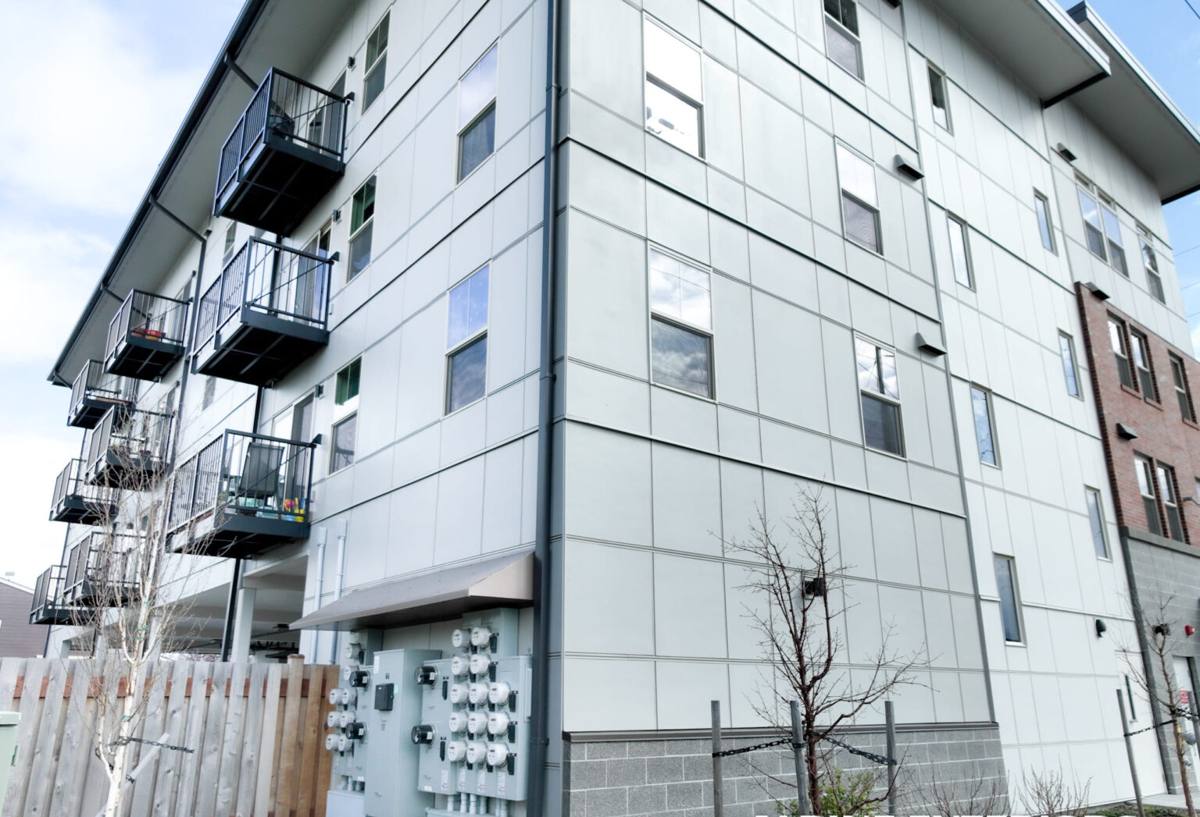
What Salt Air, Driving Rain, and Moss Actually Do to a Wall
Salt Air
Proximity to the bay means airborne salt settles on exterior surfaces and accelerates corrosion of fasteners, flashing, and any exposed metal trim. It also breaks down lower-quality paint and coatings faster than inland conditions would, which is why siding that's rated for a "normal" climate often underperforms here.
Driving Rain
Wind off the water pushes rain sideways into wall assemblies rather than letting it run straight down and off. That means lap joints, butt seams, and anywhere two pieces of siding meet are under more pressure to shed water than the manufacturer's baseline testing usually accounts for. Poor flashing details or thin caulk joints that would survive in a calmer climate fail here in a handful of seasons.
Moss and Sustained Moisture
Bellingham's long wet season keeps north-facing and shaded wall sections damp for weeks at a time. Moss and algae take hold on porous or textured surfaces, and once established they hold moisture against the siding around the clock. On wood-based or wood-look products, that sustained dampness is exactly the condition that leads to swelling, delamination, and rot.
Signs a Columbia Home Needs Siding Replacement — Not Just Repair
- Soft, spongy, or visibly swollen boards, especially near the bottom courses or under windows
- Paint that's peeling, bubbling, or needs recoating every 2-3 years instead of holding for a decade
- Persistent moss or black streaking that returns within a season of cleaning
- Visible gaps, warping, or cupping at seams and butt joints
- Nail heads popping or rust staining running down from fasteners
- Musty smell or soft drywall on interior walls that back up to exterior siding
- Siding that's original to a home built more than 20-25 years ago, particularly if it's wood, hardboard, or early-generation vinyl
One or two of these on their own might mean a repair. Several together, especially combined with age, usually mean the wall assembly has been compromised long enough that a full replacement is the honest recommendation.
Why We Install Only James Hardie Fiber Cement
We get asked why we don't offer vinyl, LP SmartSide, primed wood, or lower-cost fiber cement alternatives. The honest answer is that we've standardized on one product system because it's the one we trust to perform in exactly the conditions Columbia deals with.
Vinyl is affordable and low-maintenance in mild climates, but it can warp under heat and become brittle in freeze-thaw cycles, and its seams rely on overlap rather than a sealed joint — not ideal against driving rain. Wood-based products like LP SmartSide use engineered strand board with a resin coating; it holds up reasonably well when maintained perfectly, but any breach in that coating lets moisture into the wood fiber core, and our long wet season doesn't give those breaches time to dry out before the next rain arrives. Primed wood and cedar are beautiful but need real ongoing maintenance — recoating, caulking, and vigilance — that most homeowners don't have time for.
James Hardie fiber cement is cement, sand, and cellulose fiber. It doesn't rot, it's non-combustible, and it doesn't feed moss the way wood fiber can. Hardie's HZ5 product line is engineered specifically for climates with prolonged moisture exposure, and the factory-applied ColorPlus finish is baked on under controlled conditions rather than field-painted, which means better adhesion and a longer interval before repainting is needed. It's not the cheapest material on the market, but for a Columbia home taking on salt air and sideways rain year after year, it's the product we're willing to put our name behind.
What a Correct Siding Replacement Job Actually Involves
The material is only part of the equation. A huge share of siding failures we see aren't the product's fault — they're installation shortcuts. A correct job includes:
Full Tear-Off and Inspection
We remove the old siding entirely rather than covering over it. This lets us inspect the sheathing for hidden rot or moisture damage before it's sealed behind new material — a step that matters more here than in drier climates, because trapped moisture behind Columbia siding has usually had time to do real damage.
Weather-Resistive Barrier and Drainage Plane
A properly lapped weather-resistive barrier, installed with a drainage gap where called for, gives any water that does get past the siding a way to escape instead of sitting against the sheathing. This is one of the most commonly skipped details in cut-rate siding work.
Flashing at Every Penetration
Windows, doors, hose bibs, vents, and roof-to-wall intersections all need proper flashing, not just caulk. Caulk fails; correctly lapped flashing sheds water by design and keeps working even after the sealant around it ages.
Fastener Choice and Placement
Given the salt air in this area, fastener corrosion resistance matters more than it would inland. We follow Hardie's fastening specifications for exposure category and blind-nail or face-nail per the manufacturer's engineering, not by habit.
Manufacturer-Spec Joint and Clearance Details
Butt joints, inside and outside corners, and ground clearance all have specific tolerances in Hardie's installation guide. Getting these wrong is the single biggest cause of premature failure on fiber cement siding — and it's also the difference between a warranty that holds up and one that doesn't.
Our Process, Start to Finish
- Walkthrough and assessment — we look at your current siding, check for hidden moisture or rot, and talk through what your home actually needs
- Written estimate — a clear scope and price, no vague allowances
- Material selection — Hardie plank, shingle, or panel profile and ColorPlus color, matched to your home's style
- Tear-off and sheathing inspection — old material removed, substrate checked and repaired if needed
- Weather barrier and flashing installation — the unglamorous layer that determines how the wall performs for the next 30 years
- Siding installation to manufacturer spec — correct nailing, joints, and clearances
- Final walkthrough — we go over the finished work with you before calling the job done
Cost Factors for a Columbia Siding Replacement
| Factor | Why It Affects Cost |
|---|---|
| Home size and wall complexity | More square footage and more corners, gables, and dormers mean more material and labor |
| Extent of sheathing repair | Hidden rot found during tear-off adds material and time to fix before new siding goes on |
| Siding profile | Lap, shingle, and panel styles differ in material and installation labor |
| Trim and detail work | Window and door trim, fascia, and corner treatments add finish-carpentry time |
| Access and site conditions | Steep lots, tight setbacks, or landscaping close to the house can slow staging and scaffolding |
| Story count | Two-story walls need more staging and safety setup than single-story |
We don't quote a number without seeing the house — anyone who does is guessing. What we can tell you up front is that the estimate accounts for the full scope, not just the visible siding, because the hidden work is what determines whether the job lasts.
Why a Crew That Already Works Columbia Matters
Siding installation isn't one-size-fits-all across Whatcom County. A crew that's worked in Columbia already knows how the wind and rain patterns off the bay behave, which wall orientations tend to hide moisture damage, and how aggressive the moss growth gets on shaded lots. That local pattern recognition means fewer surprises during tear-off and a job that's built for the conditions your specific home actually faces — not a generic spec sheet.
It also means faster response if something needs a look after the fact. A crew based and working locally in Bellingham isn't a long drive away if you have a question six months or six years after installation.
Living With Hardie Siding After Installation
One of the practical benefits of switching to fiber cement in this climate is how little upkeep it demands compared to wood or lower-grade products. You'll still want to rinse off accumulated grime and moss growth periodically, especially on shaded north-facing walls, and keep an eye on caulking at trim joints over the years. But you're not repainting every few seasons or chasing soft spots the way you would with wood-based siding exposed to this much sustained moisture. That lower maintenance burden is part of why we consider Hardie the right long-term investment for a Columbia home, not just the right material on paper.
If your siding is showing its age, or you're just not sure whether what you're seeing is cosmetic or structural, we're glad to take a look. Reach out for a free, no-pressure estimate — there's a form below to get started.