 Bellingham
 Why Sudden Valley Roofs Take a Different Kind of Beating
Sudden Valley sits along Lake Whatcom under a heavy canopy of fir and cedar, and that setting shapes almost everything about how a roof ages and fails out here. Roofs in this part of Whatcom County deal with driving rain off the water, gusty wind that funnels through the tree line, and a moss season that runs longer than most homeowners expect. Add in salt-tinged air that moves inland off Bellingham Bay during winter storm systems, and you get a combination of moisture, wind, and organic debris that a roof in a more exposed, treeless subdivision simply doesn't face in the same way.
That doesn't mean Sudden Valley roofs fail faster than roofs anywhere else in Bellingham — it means they fail differently. The damage patterns we see out here are shaped by trees and shade as much as by wind speed, and a repair that doesn't account for that usually comes back to bite the homeowner within a year or two.
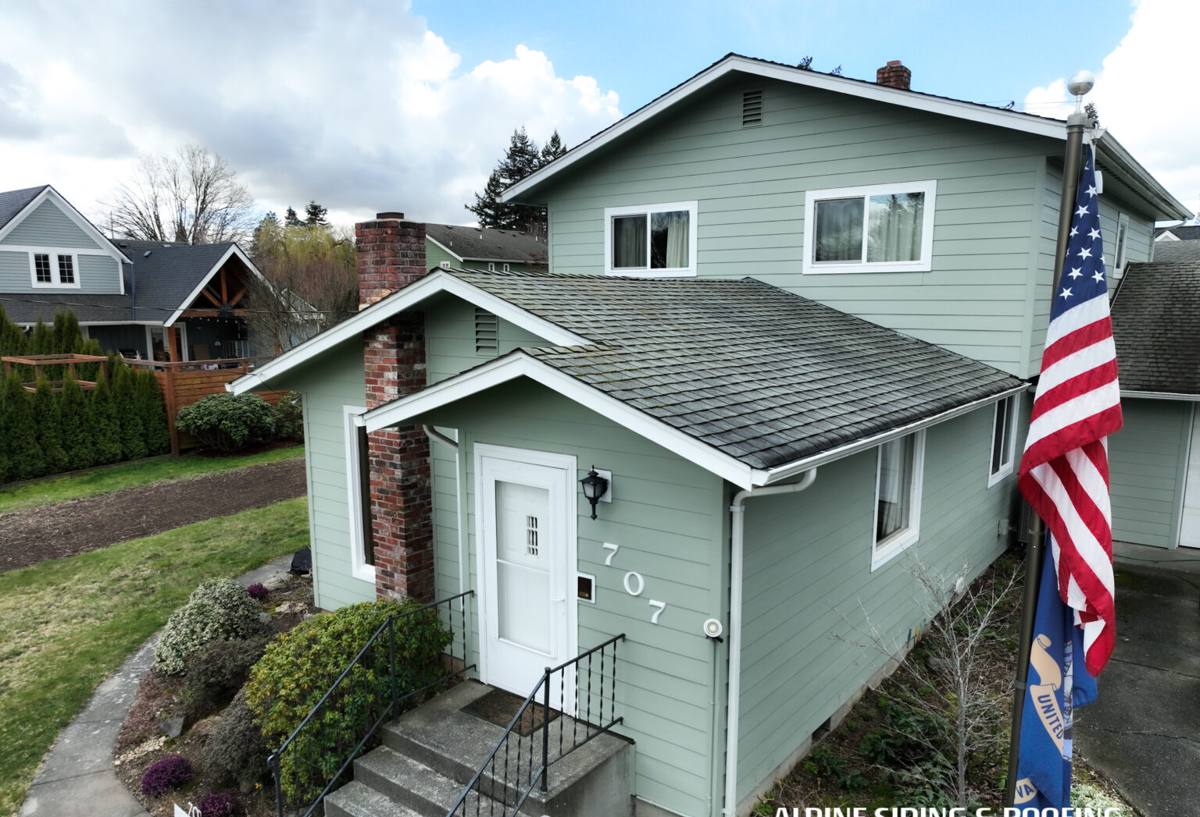
What Storm Damage Actually Looks Like Here
Wind and Gusts Through the Tree Line
Wind doesn't always hit a roof evenly out here. Gaps between trees can funnel gusts into a specific slope or corner of a roof, lifting shingle tabs or creasing them at the edge while the rest of the roof looks fine. This kind of localized wind damage is easy to miss from the ground, which is part of why so many storm-related leaks in this neighborhood get discovered months after the actual event.
Limb Strikes and Falling Debris
With mature fir and cedar overhanging so many lots, falling limbs — sometimes small, sometimes not — are one of the most common causes of storm damage we're called out for in Sudden Valley. A direct hit can crack shingles, punch through decking, or knock flashing loose around a chimney or vent without necessarily causing an obvious hole. The damage is often more structural than it looks from the driveway.
Moss, Needle Buildup, and Damming
Heavy tree cover means shade, and shade means moss. Needles and moss mat together in valleys, behind chimneys, and along north-facing slopes that rarely see direct sun. During a hard rain, that buildup acts like a small dam — water backs up under the shingle line instead of running off, and that's when you start seeing stains on interior ceilings that have nothing to do with a single storm event and everything to do with months of slow, sheltered decay.
Flashing and Fastener Failure
Repeated wind-driven rain works fasteners loose over time and can peel back flashing at valleys, skylights, and chimneys. This is quiet damage — no dramatic hole, no missing shingles — but it's often the actual source of a leak that gets blamed on "just an old roof" when the real cause is a single strip of flashing that needs to be redone correctly.
The Moss Season Factor
Because so many Sudden Valley homes sit in partial or full shade for a large part of the day, moss season here isn't a few weeks in late fall — it can run from October through April. Moss holds moisture against the roofing material far longer than open sun-exposed roofs experience, which accelerates granule loss on asphalt shingles and can rot the wood decking underneath if it's left unaddressed. This is also why a storm repair on a shaded, moss-prone roof needs a different eye than the same repair on a sun-exposed roof across town — the underlying wood is more likely to have some pre-existing softness, and a good contractor checks for that before nailing new shingles over a problem that hasn't gone away.
Common Storm Damage Types and What They Actually Require
| Damage Type | What It Looks Like | What a Correct Fix Requires |
|---|---|---|
| Wind-lifted or creased shingles | Tabs bent upward, cracked seal strips, shingles missing at ridges or edges | Matching replacement shingles, re-sealing adjacent tabs, inspection of underlayment beneath the lifted area |
| Limb strike | Cracked or punctured shingles, dented gutters, sometimes a soft spot underfoot | Decking inspection before re-roofing the area — a patch over damaged plywood just relocates the problem |
| Moss/needle damming | Interior staining, granules in gutters, dark streaking on shaded slopes | Full debris removal, moss treatment, and a look at the decking for soft spots before any shingle work |
| Flashing failure | Leaks near chimneys, skylights, or valleys with no visible shingle damage | Full removal and correct re-installation of flashing — sealant alone is a short-term patch, not a repair |
What a Correct Storm Repair Actually Involves
A storm repair is not just "replace what's missing." Done right, it's a short diagnostic process followed by a targeted fix:
- Full-slope inspection, not just the damaged spot — wind and debris rarely affect only the exact area a homeowner noticed from the ground.
- Decking check underneath any damaged shingles, especially in shaded or moss-prone areas where hidden moisture may already be present.
- Material matching — using a shingle that matches the existing roof's color and profile closely enough that the repair doesn't stand out like a patch.
- Flashing and underlayment review around the repair zone, since storm damage often loosens fasteners nearby even where shingles look intact.
- Debris and moss removal from the repaired area and immediate surroundings so the fix isn't undermined by the same buildup that contributed to the damage.
Skipping any of these steps is how a "quick fix" turns into a callback a year later — often for a leak that looks unrelated to the original storm but traces straight back to it.
Repair or Replace? What Actually Drives That Decision
Not every storm-damaged roof needs a repair, and not every damaged roof needs full replacement. The honest answer depends on a handful of factors, and we'd rather walk a homeowner through them than push toward the bigger job by default.
| Factor | Leans Toward Repair | Leans Toward Replacement |
|---|---|---|
| Roof age | Under 10-12 years, in otherwise good condition | Near or past its expected service life |
| Extent of damage | Isolated to one or two areas | Scattered across multiple slopes |
| Decking condition | Solid, no soft spots found | Soft or rotted decking discovered during inspection |
| Moss/moisture history | Minimal prior buildup, good ventilation | Long-term moss damming with signs of chronic moisture |
| Material availability | Matching shingles still available | Discontinued shingle line, visible mismatch likely |
We'll tell a homeowner directly if a repair is genuinely the right call — plenty of storm damage is legitimately fixable without a full tear-off, and there's no reason to sell a bigger job than the roof actually needs.
Working With Insurance on a Storm Claim
Most storm damage repair in Sudden Valley ends up going through homeowners insurance, and the process goes smoother when the documentation is solid from the start. We photograph the damage in detail before any repair work begins, note the likely cause (wind event, falling limb, ice, etc.), and provide a written scope that an adjuster can actually use. We're not a public adjuster and we don't negotiate your claim for you, but we'll give you the facts about your roof in a form that supports your claim rather than leaves gaps in it.
One thing worth knowing: insurers sometimes distinguish between sudden storm damage and gradual wear (like long-term moss damage), and only the former is typically covered. That's exactly why the inspection step matters — it establishes what's actually storm-caused versus what was already a maintenance issue, and it's better to know that answer honestly upfront than to be surprised by a denied claim later.
Why Local Experience in Sudden Valley Matters
Sudden Valley isn't like working a standard Bellingham subdivision. Many properties sit on narrow, private roads that require careful staging for ladders, materials, and debris disposal. Overhead tree limbs that caused the original damage often need to be addressed or at least assessed before repair work can safely proceed — and a crew unfamiliar with the area can lose half a day just figuring out access and safe fall zones near the canopy. Lakeside lots also tend to have their own microclimate: cooler, damper, and shadier than homes just a few miles away in town, which changes how quickly moss returns after a repair and how ventilation should be handled.
A crew that's worked this neighborhood before also tends to move faster on the insurance side, simply because they've seen how adjusters in this area typically evaluate tree and wind claims, and they know what documentation actually gets a claim approved without back-and-forth delays.
What to Do Right After a Storm
Before you call anyone, a few basic steps protect both your roof and your claim:
- Photograph any visible damage from the ground — don't get on the roof yourself, especially after wind or rain events when surfaces are unstable.
- Check attic spaces and ceilings for new staining, even faint discoloration, which can indicate a leak starting before it's obvious from outside.
- Note the approximate date and nature of the storm (high wind, heavy rain, falling debris) for your records and any insurance claim.
- Clear gutters and downspouts of obvious debris if it's safe to do so from the ground — clogged gutters make minor roof damage worse, faster.
- Avoid tarping or patching the roof yourself unless it's a genuine emergency — improper temporary fixes can sometimes complicate a legitimate insurance claim.
- Get an inspection scheduled promptly; hidden moisture under shaded, moss-prone areas doesn't wait for a convenient time to spread.
Getting a Straight Answer on Your Roof
If a recent storm has you wondering whether your Sudden Valley roof needs a repair, a full inspection, or nothing more than some debris cleared off, we're happy to take a look and tell you honestly what we find. No pressure, no inflated scope — just a clear explanation of what's actually going on up there and what it would take to fix it right. Use the form below to request a free estimate.