 Bellingham
 Windows Built for the Sudden Valley Microclimate
Sudden Valley sits along Lake Whatcom, southeast of downtown Bellingham, under heavier tree cover than most in-town neighborhoods. That combination of lake-side humidity and dense forest canopy creates a slightly different set of demands on windows than a house on a bare, sun-exposed lot closer to the water. Add in the driving rain that moves through Whatcom County every fall and winter, and a window installation here has to do more than look good — it has to manage moisture correctly from day one.
We've done enough work in and around Sudden Valley to know the patterns: which sides of a house take the worst weather, where shade keeps siding and trim damp longer after a storm, and which older window units in this area are past the point of caulk-and-patch repairs. This page is about what that actually means for a window installation project on your home.
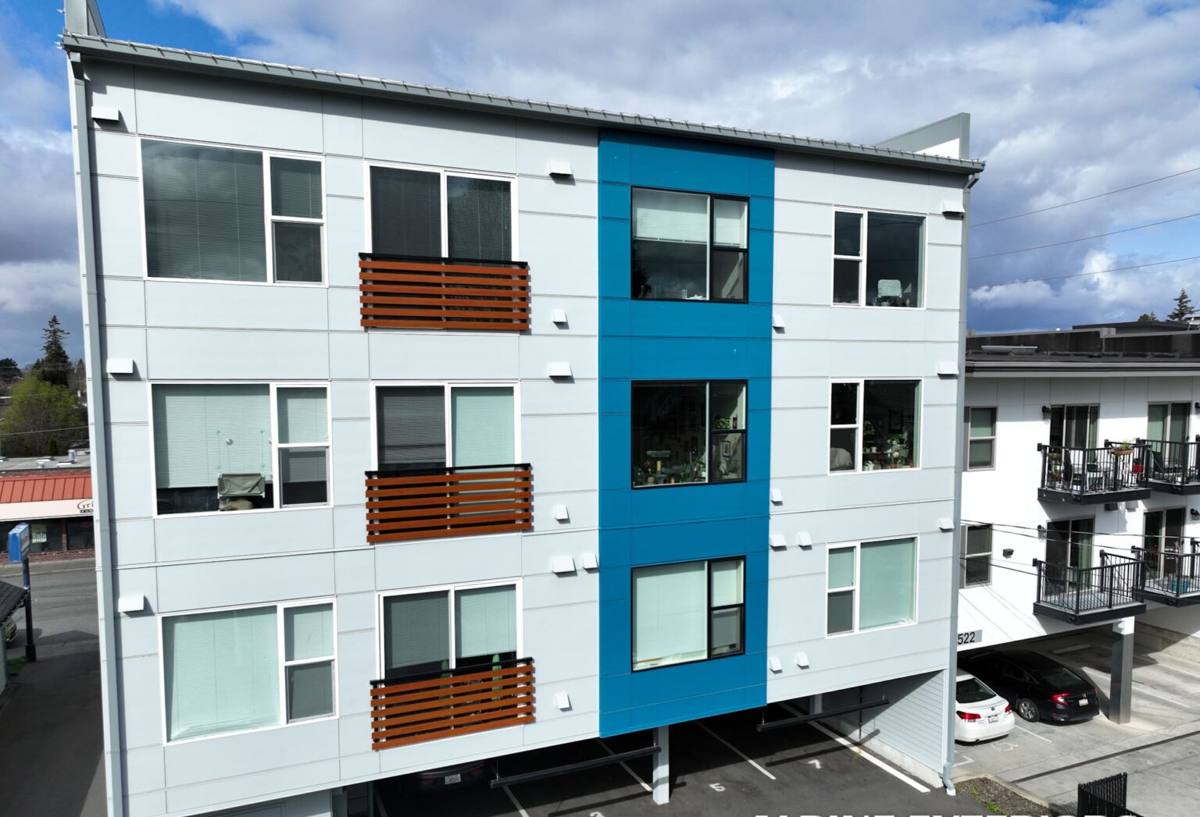
What Sudden Valley Homes Need From New Windows
Moisture and Condensation Near the Lake
Homes close to Lake Whatcom tend to run more humid than homes further inland, especially in the cooler months. That humidity shows up as condensation on interior glass, and over time, as moisture working its way into frames and sills that weren't sealed correctly. A window installed with proper flashing and a continuous air barrier resists this; one installed with shortcuts will show fogging, soft wood, or paint failure at the sill within a few seasons.
Long Moss Season and What It Means for Trim
Whatcom County's moss season runs long — anywhere there's shade and consistent moisture, moss and algae get a foothold and stay. Around Sudden Valley's tree-shaded lots, that often means north- and east-facing window trim holds moisture longer after rain than it would on an open lot. Trim material, paint quality, and how tightly the trim is sealed to the window flange all affect how well it holds up against that extended damp period.
Driving Rain and Wind-Driven Water
Storms coming off the water can drive rain sideways into a wall, not just straight down onto a roof. Windows facing the prevailing weather need flashing details and sealant work that account for wind-driven water, not just a bead of caulk around the trim. This is one of the most common places we find corners cut on older installations.
What a Correct Window Installation Actually Involves
A window installation is judged less by how the finished trim looks and more by what's happening behind it. The visible parts are the easy part.
Flashing and Water Management
Every window needs a flashing system that directs water down and out, never behind the siding or into the wall cavity. That means sill pan flashing at the bottom, proper lapping of house wrap or building paper at the sides and top, and a sealed, continuous path for any water that gets past the exterior surface to drain back out instead of pooling.
Insulation and Air Sealing
The gap between a window frame and the rough opening needs to be insulated and air-sealed correctly — not stuffed with excess spray foam, which can bow the frame, and not left open, which lets in drafts and moisture-laden air. Done right, this step is a big part of why a new window actually feels warmer and quieter than the one it replaced.
Fit and Level
An out-of-level or out-of-square window binds, doesn't seal against weatherstripping properly, and wears out its hardware faster. Older homes settle, and Sudden Valley has its share of homes from the 1970s and 80s where a rough opening isn't as square as it once was — that has to be corrected during install, not worked around.
Choosing the Right Window Type for This Setting
There's no single "best" window material — the right choice depends on sun exposure, shade, budget, and how much upkeep you want to take on. For a shaded, moisture-prone lot like much of Sudden Valley, we weigh these trade-offs honestly with homeowners rather than pushing one product line.
| Frame Material | Moisture Behavior | Maintenance | Typical Fit |
|---|---|---|---|
| Vinyl | Won't rot; performs well in humid, shaded conditions | Low — no painting required | Most Sudden Valley homes; strong value |
| Fiberglass | Excellent moisture and temperature stability | Low; holds paint well if color changes later | Homes wanting a higher-end finish or larger window sizes |
| Wood-clad | Attractive interior wood, but exterior cladding seams need monitoring in wet, shaded spots | Higher — periodic inspection and sealant upkeep | Homeowners prioritizing a traditional wood interior look |
| Aluminum | Prone to condensation without a thermal break; not our recommendation for this climate | Low, but performance trade-off | Rarely the right fit for this area's humidity |
We won't install a product into conditions it isn't suited for just because it's cheaper up front. On a shaded, moisture-heavy lot, the maintenance burden and moisture behavior of the frame matter more than they would on a dry, sun-exposed site.
Our Process for Sudden Valley Projects
Because we already work in this area, we know what to check before we ever quote a job.
- On-site assessment: We look at each window opening individually — sill condition, framing, existing flashing, and how much shade and moisture exposure that specific side of the house gets.
- Accurate measurement and ordering: Windows are ordered to the actual opening, not a catalog standard, so the fit is tight from the start.
- Removal and opening prep: Old units come out carefully so we can inspect the sill and framing underneath for hidden rot before anything new goes in.
- Flashing and installation: Sill pan flashing, proper lapping, correct fasteners, and insulation around the frame — done to the same standard on every window, not just the ones that are easy to see.
- Trim and sealant finish work: Exterior trim is sealed and finished to shed water, with attention to the shaded sides of the house where moss and moisture linger longest.
- Walkthrough and cleanup: We check operation on every window and leave the site clean.
What to expect on install day, in short:
- Work areas are protected inside and out before removal begins
- Old windows and debris are hauled away, not left on site
- Each new window is checked for smooth operation and a square, tight fit
- Flashing and sealant work is done regardless of whether it will be visible once trim goes back on
- You get a straightforward explanation of what was found once old windows come out — especially if there's hidden rot or moisture damage
Common Problems We Find on Sudden Valley Homes
A lot of the original window installations we open up in this area share the same issues: minimal or missing sill flashing, caulk used as the only water defense, and insulation gaps around the frame. On homes with mature tree cover, we also commonly find soft or discolored trim on the shaded sides — a direct result of that long moss season keeping wood damp for weeks at a stretch. None of this means the original windows were bad products; it usually means the installation didn't account for how wet and shaded the site actually is.
Why a Crew That Already Works Sudden Valley Matters
Sudden Valley is a bit removed from downtown Bellingham, and a contractor who doesn't already have jobs in the area treats it as a special trip — which can mean rushed scheduling or unfamiliarity with the site conditions that matter here. Working in Sudden Valley regularly means we already understand the moisture and shade patterns specific to lake-adjacent, tree-covered lots, and we can plan a realistic install schedule around Whatcom County's rain patterns instead of guessing.
Cost Factors to Expect
Every project is different, but the biggest cost drivers on a Sudden Valley window job tend to be the same handful of things.
| Factor | Why It Matters |
|---|---|
| Number and size of windows | More openings and larger units mean more material and labor |
| Frame material chosen | Vinyl, fiberglass, and wood-clad carry different upfront costs |
| Condition of existing openings | Hidden rot or out-of-square framing adds repair time before install |
| Flashing and trim complexity | Shaded, weather-exposed sides may need more careful detailing |
| Access and site conditions | Slopes, second-story windows, or tight access affect labor time |
We give honest, itemized numbers after we've actually looked at your windows — not a rough guess based on square footage alone.
Get a Free, No-Pressure Estimate
If your Sudden Valley home has drafty, foggy, or hard-to-operate windows, or you just want an honest opinion on whether they're due for replacement, we're glad to take a look. Use the form below to request a free estimate — no pressure, just a straight answer about what your windows need.