 Bellingham
 Window Installation Built for Puget's Coastal Conditions
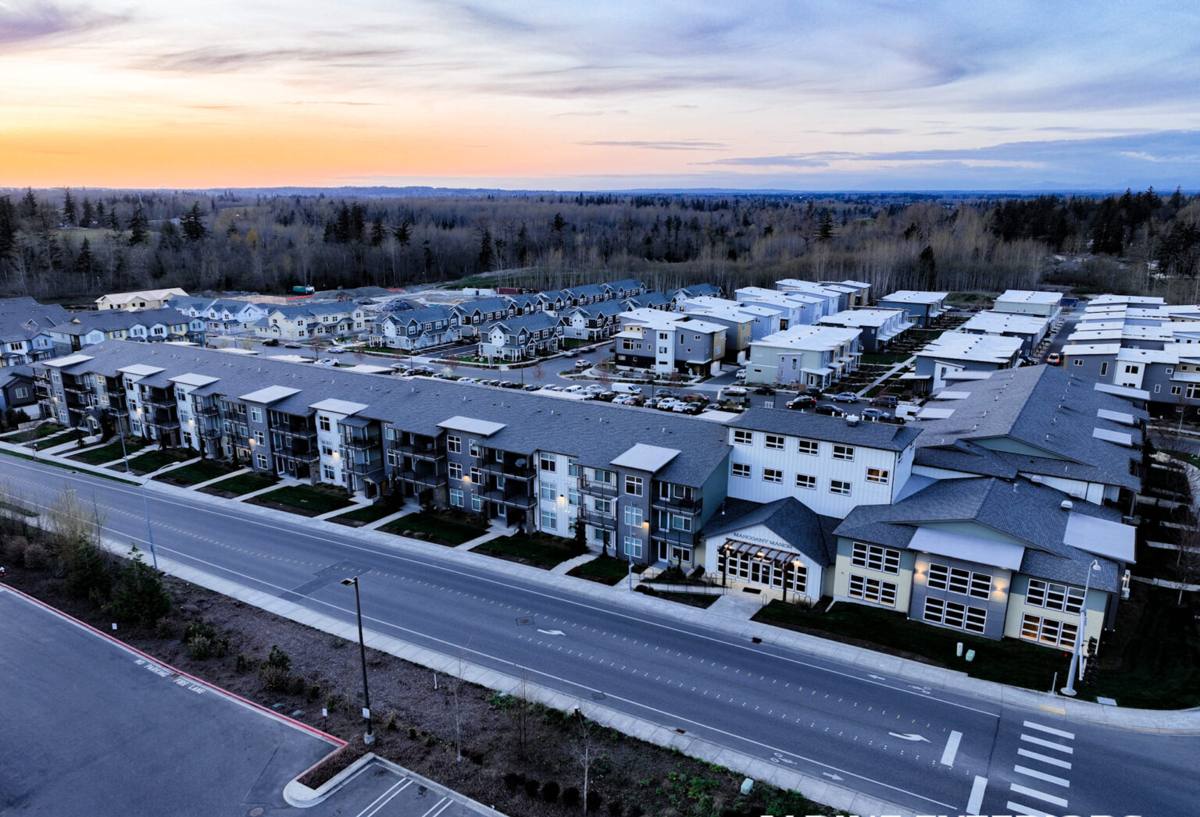
Puget sits close enough to Bellingham Bay that homes here take on a different kind of weathering than houses further inland in Whatcom County. Salt-laden air off the water works on metal hardware and exposed fasteners year-round. Driving rain, pushed sideways by wind coming off the water, tests every seam around a window opening rather than just landing flat on the glass. And the long, damp moss season that Bellingham is known for doesn't stop at the roofline — it creeps into window sills, trim, and anywhere water is allowed to sit instead of shed. Windows in this neighborhood need to be installed with all three of those realities in mind, not just measured, dropped in, and caulked.
We've worked on homes throughout Puget and the surrounding Bellingham area long enough to know that a window that performs well in a drier inland climate can still fail here if the installation doesn't account for how much moisture this location actually sees over a winter.
Signs a Puget Home Needs New Windows
Older windows in this part of Bellingham tend to show trouble in a few consistent ways. Knowing what to look for helps you decide whether you're dealing with a maintenance issue or a full replacement situation.
Moisture and Fogging
Fog or a milky haze trapped between panes means the seal on a double-pane unit has failed and the insulating gas has escaped. This is common on the west- and south-facing sides of a house that catch the most wind-driven rain.
Soft or Discolored Trim
Wood trim or sills that feel soft, spongy, or show dark staining are usually telling you that water has been getting behind the window casing for a while — often longer than the visible damage suggests.
Drafts and Rising Energy Bills
If you can feel air movement near a closed window on a windy day, or your heating costs have crept up without an obvious reason, the seal between the window and the framing has likely broken down.
Windows That Are Hard to Open or Lock
Wood swelling from moisture, or hardware that's corroded from years of salt-tinged air, will make a window stick, bind, or fail to latch properly.
What a Correct Window Installation Actually Involves
A window installation is more than swapping the visible unit. In a location like Puget, the parts you don't see afterward are the parts that determine whether the window lasts.
Removing the Old Window Without Damaging the Opening
We remove the existing window carefully so we can inspect the rough opening underneath — this is where hidden rot or old, inadequate flashing usually turns up, especially on homes that have been through several decades of Bellingham winters.
Repairing What's Underneath
Any soft framing, compromised sheathing, or failed weather barrier gets addressed before a new window ever goes in. Installing a new window over a damaged opening just hides the problem for a few more years instead of solving it.
Flashing and Weather Barrier Integration
This is the step that matters most in a wind-driven-rain climate. Flashing tape and weather-resistant barrier need to be layered correctly — like shingles — so that any water that gets past the exterior finish is directed back out and down, never trapped behind the window.
Sealing, Insulating, and Fastening
The gap between the window frame and the rough opening gets properly insulated (not just stuffed with fiberglass, which can hold moisture) and sealed with the right sealant for the exposure. Fasteners and hardware are chosen with the salt air in mind so they don't corrode prematurely.
Finish Work and Cleanup
Interior and exterior trim gets reset or replaced, everything is caulked to shed water, and the old windows and debris are hauled off the site.
Choosing a Window Type for Puget's Climate
There's no single "best" window for every home, but some materials handle Bellingham's damp, salt-touched air better than others. Here's how the common options compare for a coastal-adjacent Whatcom County property.
| Frame Material | Moisture Resistance | Maintenance | Typical Lifespan |
|---|---|---|---|
| Vinyl | Very good — won't rot or corrode | Low; occasional cleaning | 20–30+ years |
| Fiberglass | Excellent — stable in wet and dry cycles | Low | 30–40+ years |
| Aluminum-clad wood | Good on the exterior; wood core still needs protection | Moderate; watch seals and joints | 20–30 years, seal-dependent |
| Solid wood | Weakest in this climate without diligent upkeep | High; painting/sealing needed regularly | Varies widely with maintenance |
We're upfront with Puget homeowners that solid wood windows, while attractive, ask a lot of anyone living this close to the water — the constant damp and salt exposure means the finish has to be maintained on a strict schedule or moisture will find its way into the wood grain. Vinyl and fiberglass frames simply have fewer maintenance demands in a climate that doesn't give wood much of a break between rainy stretches. Glass package matters too — look for a low-E coating and an argon or krypton fill, since Bellingham's mild-but-persistent cold and dampness reward good insulating performance more than raw R-value numbers on paper.
Our Window Installation Process
- On-site assessment: We look at your current windows, the condition of the framing, and how each elevation of your home is exposed to wind and rain off the bay.
- Honest recommendation: We'll tell you which windows make sense for your budget and exposure — not just push the most expensive option.
- Scheduling around the weather: Bellingham's rain patterns mean timing matters. We plan installs to minimize how long an opening is exposed.
- Removal and opening inspection: Old windows come out, and we check the framing before anything new goes in.
- Flashing, insulation, and installation: Each window is set, shimmed level and square, flashed, insulated, and sealed correctly.
- Trim and finish: Interior and exterior trim is completed to match your home.
- Walkthrough and cleanup: We test every window with you before we consider the job done, and haul away the old units and debris.
Mistakes We See from Rushed or Inland-Style Installations
A lot of the repair calls we get in Puget and nearby Bellingham neighborhoods trace back to an installation that wasn't done with this climate in mind. Watch for these warning signs on past work or in a contractor's proposed approach:
- Caulk used as the only line of defense against water, with no proper flashing underneath it
- Fiberglass insulation packed into the gap around a window, which can absorb and hold moisture instead of shedding it
- Trim reinstalled without checking the sheathing or framing behind it for hidden rot
- Standard interior-grade fasteners used in an exterior application exposed to salt air
- No weep holes or drainage path left for water that inevitably gets behind the exterior cladding
- Windows installed out of level or out of square, which stresses the seals and shortens their working life
Why a Crew That Already Works in Puget Makes a Difference
Window installation isn't identical everywhere, and a contractor who mostly works drier, inland jobs may not default to the flashing detail, drainage planning, and hardware choices that a home this close to Bellingham Bay actually needs. A crew that regularly works in Puget already knows how the wind tends to drive rain against certain elevations, how long moss season really runs in this part of Whatcom County, and how the City of Bellingham's permitting and inspection process works for window replacement — so there are fewer surprises and less back-and-forth once work is underway.
That local familiarity also shows up in smaller ways: recommending window styles and trim details that fit the look of homes in this neighborhood, knowing which products hold up under real conditions here rather than in a showroom, and being available if a question comes up after the job is finished.
Caring for New Windows Through Bellingham's Wet Season
A correctly installed window still benefits from a little seasonal attention, especially with the amount of rain and humidity Puget sees for much of the year.
Keep Drainage Paths Clear
Weep holes and sill drainage channels can collect dirt, pollen, and organic debris over time. Clearing them before the wet season ramps up helps water exit the way it's designed to instead of pooling.
Watch for Early Moss Growth
Moss on nearby siding, trim, or roof edges can spread onto window sills and frames if left unaddressed. Catching it early keeps it from holding moisture against the window components.
Check Caulk Lines Annually
Caulk is a secondary defense, not the primary one, but it still degrades with UV and weather exposure over the years. A quick visual check each fall catches cracking before it becomes a leak.
Get a Straightforward Estimate for Your Puget Home
If your windows are drafty, fogged, hard to operate, or just original to a much older build, we're happy to take a look and give you a clear picture of what's going on and what it would take to fix it. There's no pressure and no sales script — just an honest assessment from a crew that understands what Puget's salt air, rain, and moss season actually do to a window over time. Use the form below to request a free estimate.