 Bellingham
 Edgemoor's Windows Work Harder Than Most
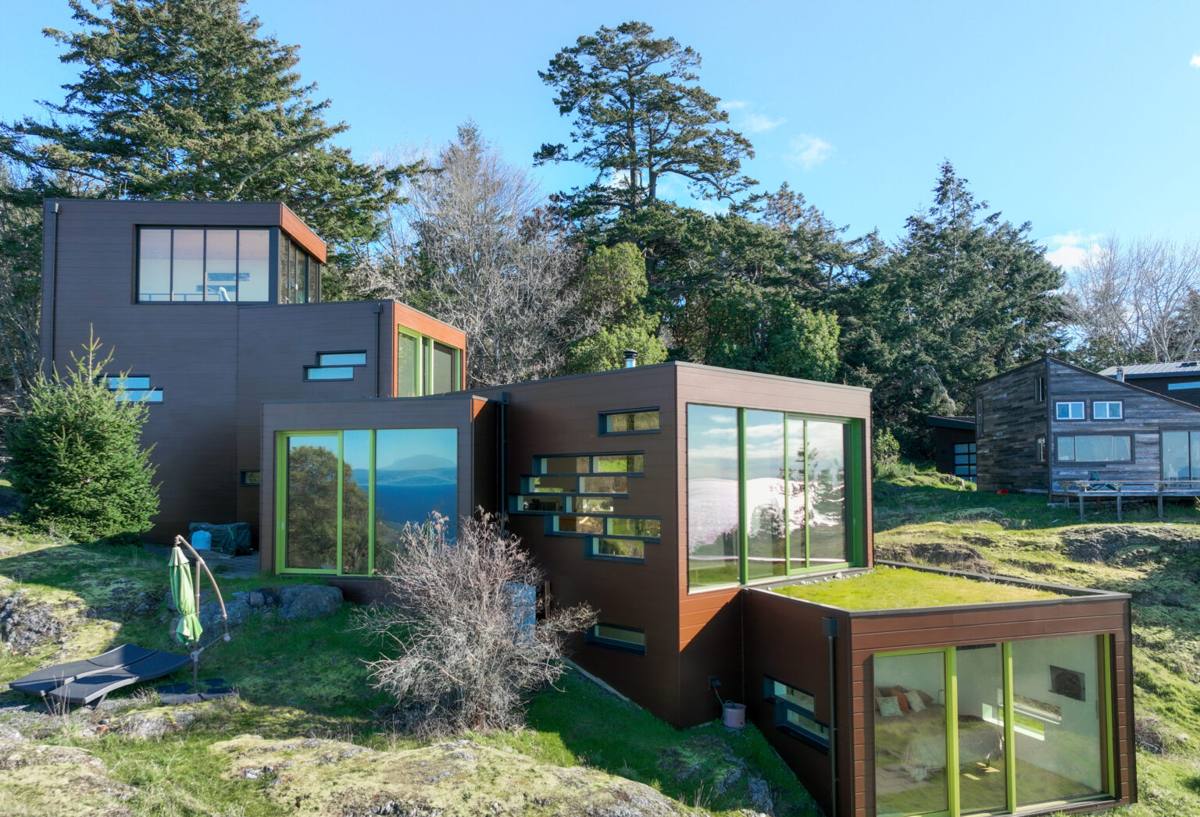
Edgemoor sits along the bluff above Bellingham Bay, and that position is a mixed blessing for the windows on your house. The view is the reason a lot of people bought here. The exposure is the reason those same windows fail years before their rated lifespan. Salt-laden air off the bay, wind-driven rain coming in sideways off the water, and a wet season that stretches from October well into spring all put steady pressure on frames, seals, and glazing that a house further inland simply doesn't see in the same combination.
None of this is dramatic on its own. It's cumulative. A window that would last 25 years in a sheltered inland neighborhood might start showing seal failure, frame corrosion, or soft spots in the sill at 15 in a bay-facing home. We've replaced enough windows in this part of Bellingham to know what that timeline actually looks like on the ground, and what it means for how a replacement should be built and installed here.
What Salt Air, Rain, and Moss Actually Do to a Window
Salt Air
Airborne salt from Bellingham Bay settles on everything, including window hardware, aluminum components, and any exposed fasteners. Over time it accelerates corrosion on metal parts that aren't rated for a marine-adjacent environment — cheaper hinges, cranks, and cladding fasteners can start pitting years before a comparable window would fail somewhere drier. It also breaks down some sealants faster than manufacturers' standard testing accounts for, which shows up as hardening, cracking, or shrinking caulk lines around the frame.
Driving Rain
Whatcom County storms coming off the water don't just fall straight down — wind pushes rain sideways into the wall assembly, testing every seam in a window's flashing and weatherstripping. A window that's watertight in a light rain can still leak under wind-driven conditions if the flashing detail behind the trim wasn't done correctly, which is a far more common cause of interior water damage than a bad window unit itself.
Moss Season
Bellingham's long, damp moss season doesn't just affect roofs. Moss and algae take hold on north-facing sills, in corners where water sits, and along any horizontal trim above a window. Left alone, that moisture-holding growth keeps wood substrate wet for months at a time, which is exactly the condition that leads to rot at the sill and jamb — the parts of a window opening that are hardest and most expensive to repair once they've gone soft.
Signs It's Time to Replace, Not Repair
Not every window issue calls for full replacement. But in a coastal-adjacent neighborhood like Edgemoor, certain symptoms are worth taking seriously rather than patching year after year.
- Fogging or a permanent haze between panes — the seal has failed and the insulating gas is gone
- Visible corrosion or pitting on hardware, hinges, or aluminum cladding
- Soft, spongy, or discolored wood at the sill or lower frame corners
- Drafts you can feel with your hand along the frame edge on a windy day
- Paint or caulk that fails within a year or two of being redone
- Difficulty opening, closing, or locking that wasn't there a few years ago
- Condensation forming on the interior glass regularly through fall and winter
If you're seeing two or more of these on the bay-facing side of your house, that's usually a sign the window assembly — not just the glass — has reached the end of its useful service life.
What Edgemoor's Housing Stock Means for the Job
Edgemoor has a mix of older, established homes and newer construction, and the age and original construction method of your house changes what a correct window replacement actually involves. Older homes in this part of Bellingham were often built before modern flashing standards and weather-resistive barrier details became standard practice. Simply dropping a new window into an old opening without addressing what's behind the trim can trap moisture rather than solve the problem — especially in a house that's already absorbed decades of bay-driven rain.
On these homes, a proper replacement means opening up the surrounding trim enough to check the sheathing and framing underneath, correcting any flashing issues we find, and only then installing the new window with materials suited to the exposure. It takes longer than a straight swap, but it's the difference between a window that performs for another 20-plus years and one that looks fine for a season before problems resurface.
Full-Frame vs. Insert Replacement
There are two basic approaches, and which one fits depends on the condition of your existing frame:
| Approach | Best For | Trade-offs |
|---|---|---|
| Insert (pocket) replacement | Sound existing frames with no rot or water damage | Faster and less disruptive, but any hidden moisture problem stays hidden |
| Full-frame replacement | Homes with visible rot, soft sills, or a history of leaks | More labor and cost, but lets us fully inspect and correct flashing and framing |
For a lot of Edgemoor homes with direct bay exposure, we lean toward at least inspecting behind the trim before recommending an insert, since a window that looks fine from the outside can still be sitting on a compromised sill.
Choosing the Right Frame and Glass for This Exposure
Not every window product is a good fit for a house that takes this much weather. We install a range of materials, but we're upfront with Edgemoor homeowners about how each one holds up in a salt-air, high-rain environment.
| Frame Material | Salt/Rain Performance | Maintenance |
|---|---|---|
| Vinyl | Doesn't corrode; performs well against salt air | Low — occasional cleaning, no repainting |
| Fiberglass | Excellent — very stable, resists moisture-driven expansion and contraction | Low, though a higher upfront cost |
| Wood (unclad) | Attractive but vulnerable — needs diligent upkeep in this climate | High — regular repainting/sealing to prevent rot |
| Aluminum-clad wood | Good if cladding and flashing details are done correctly | Moderate — cladding protects wood, but seams need to be watertight |
For glass, we generally recommend dual-pane units with Low-E coating and an argon or krypton gas fill for homes this exposed — the coating helps manage the temperature swings between a cold, damp exterior and a heated interior, which is part of what drives condensation and seal stress in the first place. On the bay-facing elevation especially, we also pay close attention to spacer material, since some spacer types handle constant moisture and temperature cycling better than others over the long run.
What a Correct Installation Looks Like
The window unit itself is only part of the job. Most of the leaks and rot we get called out to fix in this area trace back to installation shortcuts, not the product. A correct job in an environment like Edgemoor's includes:
- Removing the old window and inspecting the full opening — sill, jambs, and header — for hidden water damage
- Repairing or replacing any compromised framing or sheathing before the new window goes in
- Installing a properly lapped weather-resistive barrier and flashing tape so water sheds outward, not into the wall
- Setting the window level, plumb, and square, with shims that won't compress or rot over time
- Sealing and insulating the gap around the frame correctly — not overpacked, not left open
- Finishing with exterior trim and caulk rated for continuous damp exposure
- A final check of operation, locking, and weather seal before we consider the job done
Skipping any one of these steps is usually invisible on installation day and expensive two or three winters later.
Cost Factors for Edgemoor Homeowners
We don't quote window jobs sight unseen, but the main factors that move the price up or down are consistent across the neighborhood:
| Factor | Why It Matters |
|---|---|
| Insert vs. full-frame replacement | Full-frame takes more labor and materials but addresses hidden damage |
| Frame material chosen | Vinyl is typically the most affordable; fiberglass and clad-wood cost more upfront |
| Extent of rot or flashing repair found | Hidden damage discovered mid-job affects scope, especially on older homes |
| Window size and access | Larger units, upper floors, or tricky bluff-side access add labor time |
| Number of windows done at once | Bundling multiple windows in one visit generally lowers the per-window cost |
Broadly, homeowners in this area should expect a wide range depending on these factors — a straightforward vinyl insert replacement costs meaningfully less than a full-frame fiberglass replacement with rot repair. We'll walk you through exactly where your project falls once we've seen the windows in person.
Permits and Working Within City and County Rules
Depending on exactly where your property sits, you may fall under City of Bellingham permitting or Whatcom County jurisdiction, and requirements can differ slightly between the two. We handle that determination and any required permitting as part of the job, so you're not left figuring out which office to call. If your property is part of an HOA or has design guidelines tied to its setting, we'll work within those as well — just let us know up front so we can plan the project accordingly.
Why a Crew That Already Works Edgemoor Matters
Window replacement in a bay-exposed neighborhood isn't the same job as window replacement three miles inland, even though the products on the shelf look identical. A crew that hasn't worked this kind of exposure before can install a window correctly by the book and still miss the site-specific details — the extra flashing lap on a west-facing wall, the sill material that'll hold up to standing moss growth, the caulk formulation that won't crack after one salt-laden winter — that make the difference between a job that lasts and one that needs revisiting in five years.
We've done this work throughout Bellingham and Whatcom County long enough to know how homes on the bay bluff behave differently from homes elsewhere in town, and we build every replacement around that reality rather than a generic install.
If your windows are showing their age, or you just want an honest read on whether repair or replacement makes more sense for your home, we're happy to take a look. Fill out the form below for a free, no-pressure estimate — we'll walk the property, tell you what we find, and give you a straight answer either way.