 Bellingham
 Why Window Replacement in Barkley Is a Different Job Than Elsewhere
Barkley sits close enough to Bellingham Bay and the surrounding wetlands that homes here take on a specific kind of weather load: salt-tinged air moving in off the water, long stretches of driving rain through fall and winter, and a moss season that can run eight months out of the year in shaded spots. None of that is dramatic on its own, but it's relentless, and windows are one of the first places it shows up. Failed seals, fogged glass, soft trim, and frames that won't latch square anymore are all downstream of the same slow moisture cycle repeating year after year.
When we replace windows in Barkley, we're not just swapping glass units. We're re-solving how water and air move around that opening in a wall — because whatever original installation is failing usually failed for a reason specific to this climate, and if we don't fix that reason, the new window fails the same way in a decade or less.
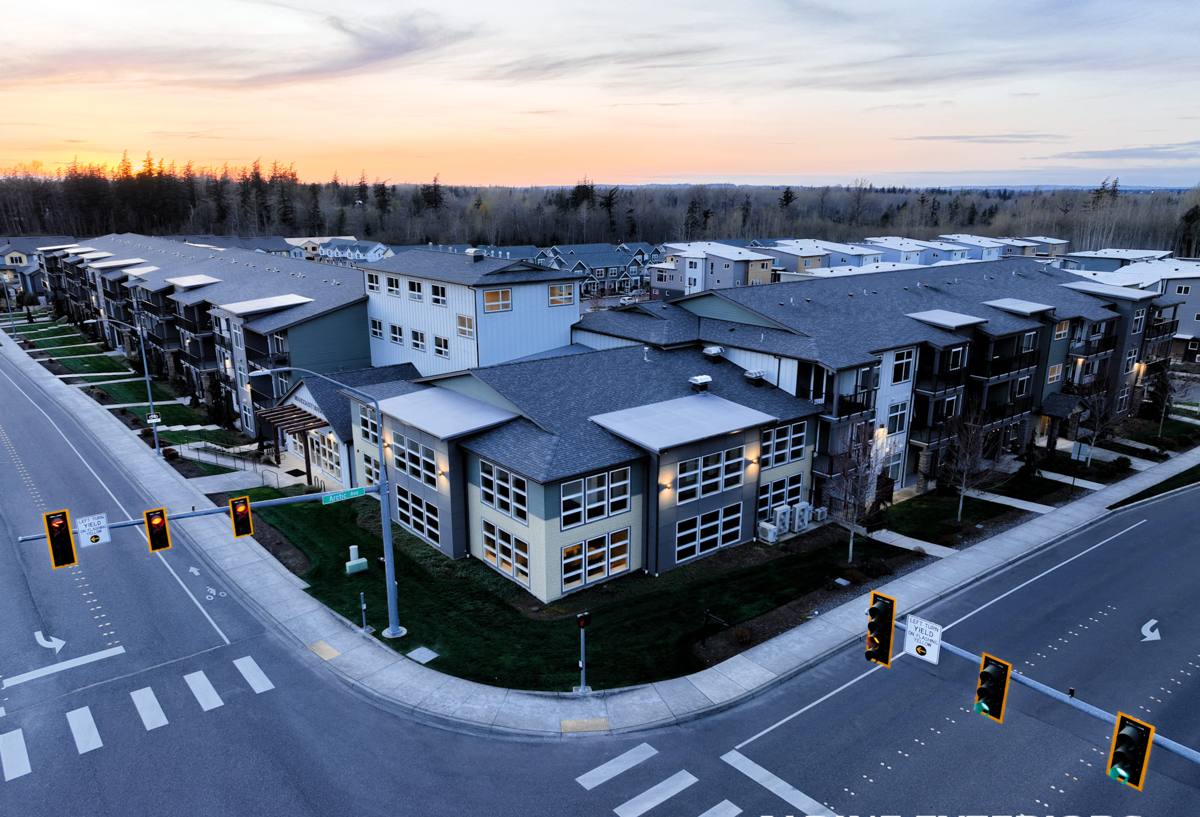
What Whatcom County's Climate Actually Does to Windows
Salt Air and Metal Fatigue
Homes closer to the water deal with airborne salt that accelerates corrosion on window hardware — hinges, cranks, locking mechanisms, and especially aluminum components. It's slow, but it's cumulative. A window that operated smoothly for fifteen years can start binding or refusing to lock tight in year sixteen, and that's usually the salt air working on the metal parts before it ever touches the glass.
Driving Rain and Wind-Driven Moisture
Bellingham doesn't just get rain — it gets rain pushed sideways by wind off the Sound often enough that vertical surfaces, including window walls, take direct water impact. Older window installations, especially ones flashed with builder-grade materials or none at all, rely on the window unit itself to keep water out rather than a proper drainage plane behind it. Over enough seasons of driving rain, that gap gets found.
Moss, Shade, and Trapped Moisture
Barkley has enough mature landscaping and tree cover that many homes have windows sitting in partial shade most of the day. Shade plus moisture plus mild temperatures is exactly what moss wants, and moss doesn't stay on the roof — it works its way into window sills, tracks, and any horizontal wood trim nearby. Once moss takes hold on a sill, it holds water against the wood constantly, which is one of the fastest ways to rot a window frame from the outside in.
Signs a Barkley Home Actually Needs Replacement, Not Repair
- Fogging or a visible haze between panes — the seal on the insulated glass unit has failed and can't be restored
- Soft, spongy, or discolored wood at the sill or lower corners of the frame
- Windows that won't stay latched, or that have started to sag out of square in the opening
- Visible moss or persistent green staining on the sill or exterior trim that keeps returning after cleaning
- A noticeable draft or cold spot at the window even with it fully closed
- Condensation forming on the inside of the glass regularly through fall and winter
- Paint that keeps failing on the exterior trim around the window no matter how often it's redone
Any one of these can sometimes be repaired. Two or more together, especially on a window that's original to an older home, usually means the frame and seal system are past the point where repair is the honest recommendation.
What a Correct Window Replacement Actually Involves
A window replacement done right in this climate isn't just "old window out, new window in." The parts that matter most for long-term performance are mostly invisible once the job is done, which is exactly why they're easy for a rushed installer to skip.
Flashing and the Drainage Plane
Every opening gets flashed so that any water that does get past the window sheds down and out, rather than sitting against the wood framing. This is the single most important step for a house dealing with driving rain, and it's the step most likely to be shortcut on a low-bid job.
Sill Pan Protection
A sill pan under the window creates a backstop so that any incidental water is directed back outside instead of soaking into the framing below. On a home with any shade or moss exposure, this is not optional — it's the difference between a window that lasts and one that starts rotting again in five years.
Air Sealing, Not Just Caulk
Proper low-expansion foam or backer rod and sealant around the frame perimeter closes the air gaps that cause both drafts and condensation. Caulk alone on the exterior face, without interior air sealing, is a common shortcut that looks finished but leaves the real gap open.
Correct Glass Package for the Exposure
Not every window on a house needs the same glass. South and west-facing units dealing with more sun benefit from different coatings than north-facing units that mostly deal with cold and condensation risk. We spec glass per elevation rather than using one package for the whole house.
Our Process for a Barkley Window Replacement
- On-site assessment. We look at the actual condition behind the trim where possible, not just the visible window — because the frame condition, not the glass, usually decides whether it's repair or replace.
- Exact measurement. Older Barkley homes are rarely perfectly square anymore, so we measure each opening individually rather than assuming uniform sizes across the house.
- Material and glass selection. We walk through frame material, glass package, and grille or style options based on the home's exposure and your budget, with honest tradeoffs explained up front.
- Removal and inspection. Once the old unit is out, we check the framing underneath for rot or moisture damage before anything new goes in — this is where hidden problems get caught, not guessed at.
- Flashing, sill pan, and install. The new unit goes in plumb, level, and square, with full flashing and drainage detail, not just fastened into the existing opening.
- Interior and exterior finish. Trim, sealant, and paint or caulk lines get finished cleanly on both sides so the job looks as good as it performs.
- Walkthrough. We test operation, locks, and seals with you before we call it done.
Comparing Window Frame Materials for This Climate
| Material | How It Handles Salt Air & Rain | Maintenance | Typical Lifespan |
|---|---|---|---|
| Vinyl | Doesn't corrode; performs well near the coast | Low — occasional cleaning | 20–30+ years |
| Fiberglass | Very stable, resists moisture and expansion/contraction well | Low | 30+ years |
| Wood | Handsome, but needs consistent upkeep to resist rot in a wet climate | High — repainting, sealing | Varies widely with maintenance |
| Wood-clad | Exterior shell resists weather; interior keeps wood look | Moderate | 25–35 years with care |
| Aluminum | Prone to corrosion and condensation issues near salt air unless thermally broken | Moderate to high near the coast | Variable |
For most Barkley homes we lean toward vinyl or fiberglass for the primary living areas because they hold up to the salt-and-rain combination with the least ongoing upkeep. Wood or wood-clad still makes sense where the look matters most and the homeowner is committed to maintaining it.
What Drives Cost on a Barkley Job
| Factor | Why It Matters |
|---|---|
| Frame material | Vinyl is generally the most budget-friendly; fiberglass and wood-clad cost more up front but often less over the window's life |
| Glass package | Upgraded coatings for sun or condensation control add cost per unit |
| Opening condition | Rotted framing found during removal adds repair scope before the new window can go in |
| Number and size of openings | Larger or custom-sized units cost more than standard sizes |
| Access and site conditions | Second-story or hard-to-reach openings take more labor time |
| Trim and finish work | Matching existing trim profiles or repainting adds finish labor |
We give a written, itemized estimate before any work starts so you know exactly what you're paying for and why — no allowance for surprise add-ons once the job is underway unless we find something behind the wall that genuinely wasn't visible beforehand.
A Checklist for Hiring a Window Contractor in Barkley
- Do they carry current Washington state contractor licensing and insurance, and will they show it without being asked twice?
- Do they inspect the framing behind the trim, or just measure the visible opening and quote from that?
- Do they specify flashing and sill pan details in the estimate, or leave it vague?
- Can they explain why they're recommending a specific frame material for your home's exposure, rather than pushing one product line regardless of fit?
- Do they offer a written warranty on labor, separate from the manufacturer's product warranty?
- Do they have recent work in Whatcom County they can speak to specifically, not just general regional experience?
Why a Crew That Already Works Barkley Matters
A contractor who works this neighborhood regularly already knows what the older housing stock here tends to hide behind the trim, how the tree cover affects moss and drainage on different lots, and how much wind-driven rain a given elevation actually takes through a Whatcom County winter. That's not something you can fully substitute with a generic checklist — it changes how we flash an opening, which glass package we recommend per elevation, and where we tell a homeowner to expect trouble down the road if it isn't addressed now.
It also means fewer surprises during the job. We're not guessing at code requirements or permitting expectations for Bellingham — we know them, and we build the estimate and schedule around them from the start.
Get a Free, No-Pressure Estimate
If your Barkley home has windows showing any of the wear signs above, or you're just planning ahead before the next wet season sets in, we're happy to take a look and give you a straight answer — replacement, repair, or wait and watch. Use the form below to request a free estimate, and we'll walk the property with you and talk through the real options for your home.