 Bellingham
 Windows Built for Birch Bay's Waterfront Exposure
Birch Bay sits right where Whatcom County's weather gets amplified. Homes here take a steadier dose of salt-laden air off the bay, more sustained wind, and driving rain that hits window walls at an angle most inland Bellingham homes never see. That combination is hard on windows in ways that aren't always obvious until years later, when frames are swelling, hardware is seizing up, or sills show the telltale gray-green streaking of long-term moisture and moss exposure.
Custom windows for a Birch Bay property aren't just about picking a style out of a catalog. They're about matching the frame material, glazing, and installation detail to a specific exposure: how close the home sits to the water, which direction it faces, how much wind-driven rain the wall actually sees in a typical winter storm cycle. Get that matching wrong and you're replacing windows again in half the time you should be.
What "Custom" Actually Means Here
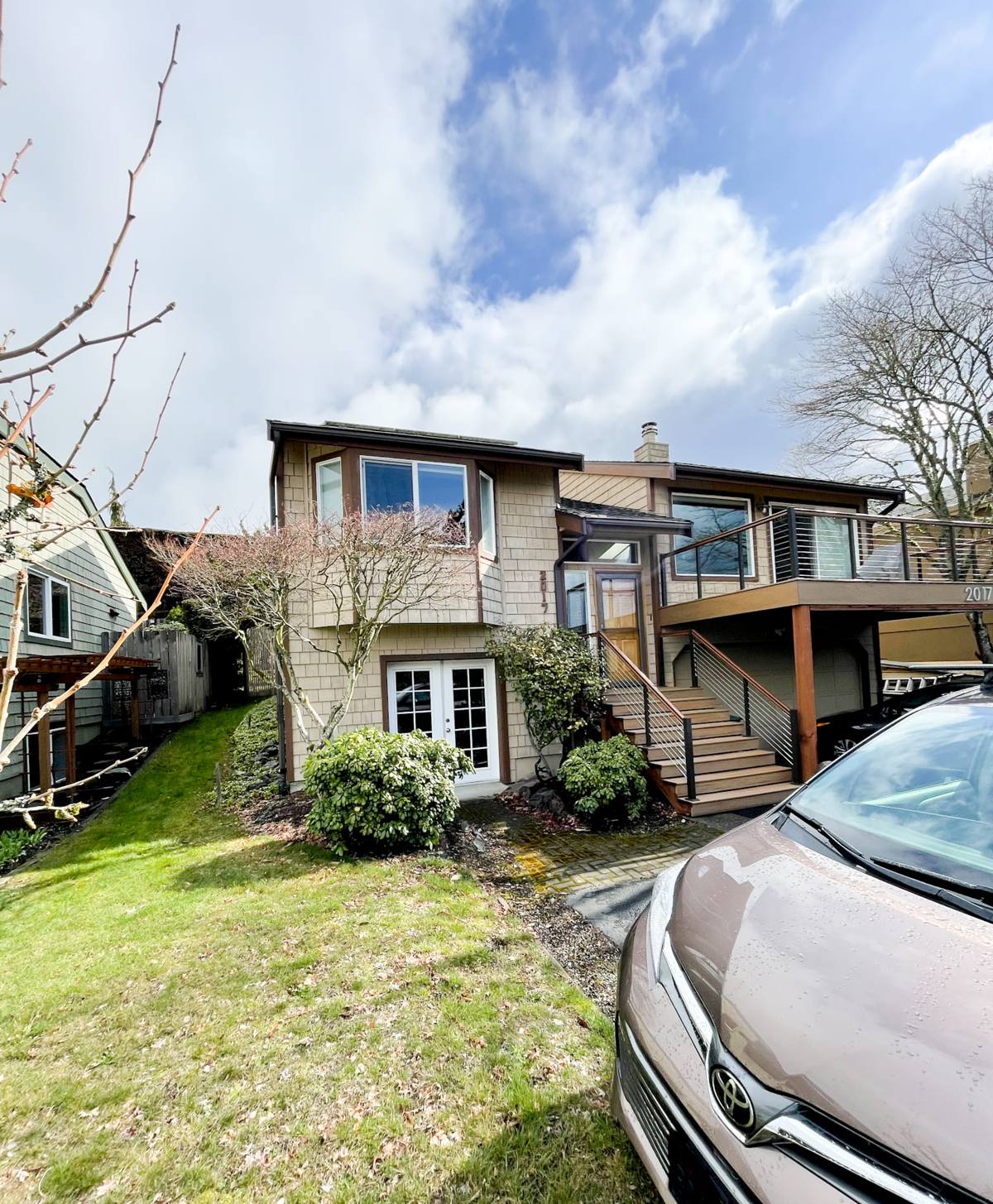
Custom doesn't have to mean unusual shapes or high-end architectural glass, though we do plenty of that. More often it means windows sized and detailed to fit openings correctly in older Birch Bay homes and cabins where stock sizes don't line up, or where a remodel has changed the rough opening. It also means selecting the right combination of frame material, glazing package, and flashing detail for a specific wall's sun and wind exposure.
Common Custom Window Scenarios We See in Birch Bay
- Older beach cabins and cottages with non-standard, settled, or slightly out-of-square openings
- Waterfront-facing walls that need higher wind load and impact-resistant glazing ratings
- Additions or remodels where new openings don't match legacy window sizes
- Picture windows or large fixed units capturing bay views, which need extra attention to structural support and seal integrity
- Full-house replacement projects where matching sightlines and trim across mismatched window ages matters for curb appeal
Why Salt Air and Moss Season Change the Calculus
Two climate factors matter more in Birch Bay than almost anywhere else we work in Whatcom County.
Salt Air and Corrosion
Airborne salt accelerates corrosion on hardware, fasteners, and certain metal frame components. Vinyl and fiberglass frames themselves aren't affected by salt the way metal is, but the locks, hinges, balances, and screws inside a window assembly are. On a straightforward inland Bellingham job we might not think twice about standard hardware. On a Birch Bay install, we pay closer attention to corrosion-resistant hardware and fastener choices, because a lock that seizes up in five years instead of fifteen is a real cost to the homeowner.
Wind-Driven Rain
Birch Bay catches wind off the water with less obstruction than a lot of Bellingham's more sheltered neighborhoods. That means rain doesn't just fall on a window — it gets pushed sideways into the frame and flashing under pressure. A window that would perform fine on a calm inland wall can leak on a waterfront wall if the flashing and sealant details weren't built for that pressure. This is one of the most common causes of hidden water damage we find behind older windows out here: not a bad window, but flashing that was never detailed for the exposure.
Moss and Prolonged Moisture
Whatcom County's long wet season means anything horizontal or slightly recessed — sills, muntins, the tops of trim boards — stays damp for extended stretches. That's exactly where moss and algae take hold, and where wood components rot fastest if the finish or cladding isn't holding up. Custom window specs in Birch Bay should account for this with materials and sill details that shed water fully rather than letting it pool or wick into end grain.
Choosing the Right Frame Material
There's no single "best" window material — the right choice depends on the home, the budget, and how close it sits to the water. Here's how the common options stack up for Birch Bay's specific conditions.
| Frame Material | Salt Air Performance | Maintenance | Typical Use Case |
|---|---|---|---|
| Vinyl | Not affected by salt corrosion; good baseline durability | Low — no painting, occasional cleaning | Most standard replacements, budget-conscious full-home projects |
| Fiberglass | Excellent — very stable, resists expansion/contraction from temperature swings | Low | Larger openings, waterfront-facing walls, higher wind exposure |
| Wood (clad exterior) | Good if cladding and flashing are correctly detailed; interior wood needs protection from any leaks | Moderate — exterior clad, interior finish upkeep | Homes where an interior wood look matters and budget allows |
| Bare wood | Highest maintenance burden in a salt/moisture environment; we generally steer homeowners away from it on direct waterfront exposures | High — regular refinishing required | Sheltered walls, historic-look renovations where upkeep is accepted |
| Aluminum | Prone to corrosion and thermal transfer issues near salt air unless heavily treated | Moderate to high | Limited residential use in this climate; more common in commercial applications |
We'll walk through these trade-offs honestly during an estimate — including the maintenance commitment each one asks of you, not just the upfront cost.
Glazing and Performance Options Worth Knowing
Beyond frame material, the glass package does most of the work for comfort, condensation control, and long-term durability.
- Double vs. triple pane: Double-pane low-E glass is the standard baseline and performs well for most Birch Bay homes; triple pane adds meaningful benefit mainly for exposed walls with heavy wind load or homes prioritizing maximum energy performance.
- Low-E coatings: Help control heat loss and reduce interior condensation on cold, damp Whatcom County mornings — a real issue in bay-adjacent homes with higher ambient humidity.
- Argon or krypton gas fill: Improves insulation value between panes; worth it on most upgrade projects, and the cost difference is modest.
- Impact and wind-load ratings: For homes directly facing open water, we check the window's design pressure rating against the actual exposure, not just what's "standard" for the area.
- Warm-edge spacers: Reduce condensation risk at the glass edge, which matters more in a consistently damp climate than in a dry one.
What a Correct Installation Actually Involves
The window unit itself is maybe half the job. The other half is the installation detail — and on a Birch Bay wall exposed to wind-driven rain, this is where jobs succeed or fail long-term.
- Opening inspection: We check the rough opening for rot, soft framing, or prior water damage before anything new goes in. Installing a good window into a compromised opening just hides the problem.
- Flashing sequence: Proper shingle-lap flashing — sill pan, jamb flashing, head flashing — installed in the correct order so water is always directed outward and downward, never trapped behind the window.
- Sill pan drainage: A sloped, sealed sill pan gives any water that does get past the exterior seal a path back outside instead of into the wall cavity.
- Air sealing and insulation: Low-expansion foam or backer rod and sealant around the frame perimeter, sized correctly so the window can still function without binding.
- Exterior sealant selection: Sealants rated for sustained UV and moisture exposure, not general-purpose caulk that breaks down faster in this climate.
- Hardware and lock check: Confirming all moving parts operate smoothly and are protected from immediate weather exposure where design allows.
Our Process for a Birch Bay Custom Window Project
We keep the process straightforward and transparent from the first visit to final walkthrough.
1. On-Site Assessment
We look at existing window condition, framing, and the specific exposure of each wall — bay-facing walls get different treatment than a sheltered side yard, even on the same house.
2. Measuring and Product Selection
Custom or precise-fit measurements are taken for every opening. We go over frame material, glazing, and hardware options against your budget and how exposed that particular wall is.
3. Written Estimate
You get a clear, itemized quote before any work starts — no surprise add-ons once we're into the job.
4. Removal and Opening Prep
Old windows come out carefully, and we address any rot or damage found in the opening before installing anything new.
5. Installation and Flashing
New units go in with full flashing and sealing detail appropriate to Birch Bay's wind and rain exposure, not a generic inland install approach.
6. Final Walkthrough
We check operation, seals, and finish work with you before we consider the job done.
Signs Your Birch Bay Windows Need Attention
- Fogging or condensation between panes (a failed seal, not a fixable cleaning issue)
- Soft or discolored wood around the frame or sill
- Drafts you can feel on a windy day even with the window latched
- Hardware that's stiff, corroded, or won't latch fully
- Visible moss or persistent green staining on sills or lower trim
- Difficulty opening or closing due to swelling or frame movement
- Paint or finish peeling faster on window trim than on the rest of the siding
Why Local Experience with Birch Bay Homes Matters
A contractor who mostly works inland can spec a perfectly good window that still underperforms on a bay-facing wall, simply because they're not used to designing for that level of wind-driven rain and salt exposure. Working across Whatcom County, including Birch Bay specifically, means we've seen which flashing details actually hold up here, which hardware corrodes early, and which frame materials are worth the extra upfront cost on an exposed wall versus a sheltered one. That's the kind of judgment that only comes from doing the work in this exact climate, not from a manufacturer's general installation guide.
If you're weighing a full window replacement or need a custom fit for an odd opening on a Birch Bay home, we're happy to take a look and give you a straightforward, no-pressure estimate — just fill out the form below.