 Bellingham
 Sehome's Climate Is Hard on Windows — Here's Why
Sehome sits close enough to Bellingham Bay that salt-laden air is a daily fact of life, not an occasional weather event. Add Whatcom County's driving winter rain, wind off the water, and a moss season that can run from October through April in a wet year, and you have a climate that quietly wears down window components most homeowners never think about: weatherstripping, hardware, wood sills, and seals between panes of glass. None of that shows up as damage overnight. It shows up two, five, or ten years later as fogged glass, drafts you can feel with your hand, and heating bills that creep up every winter even though nothing looks obviously wrong.
Energy-efficient windows done right are as much about surviving this specific climate as they are about R-values and energy ratings. A window that performs beautifully in a dry inland climate can underperform here if the frame material, glass package, and installation details aren't matched to what a Bellingham winter actually throws at a house.
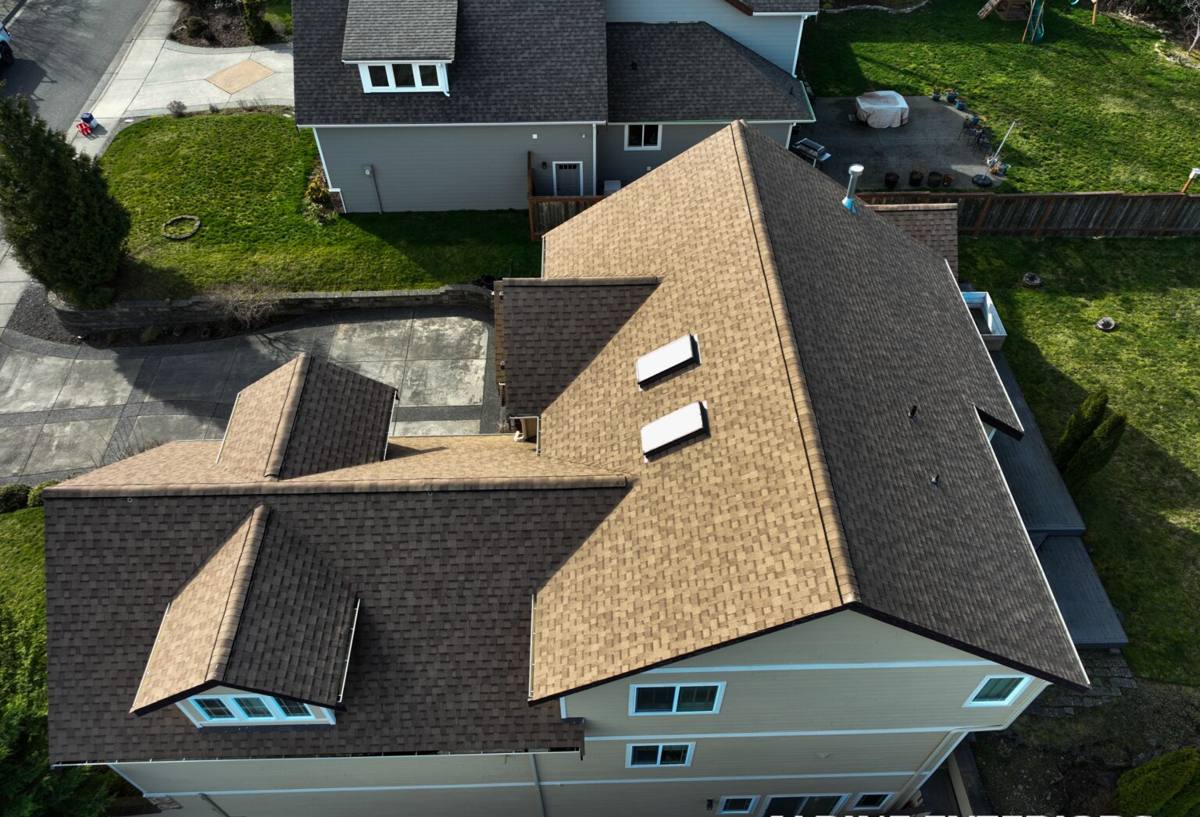
What "Energy-Efficient" Actually Means for a Sehome Home
Frame Material
Frame material determines how a window holds up to moisture cycling — the repeated swelling, drying, and temperature swings that come with our wet-to-dry seasonal pattern. Vinyl and fiberglass frames don't absorb water and don't need repainting, which matters in a climate where a paint job gets tested hard every winter. Wood and wood-clad frames can still make sense on homes where matching an existing architectural style is a priority, but they carry a real maintenance obligation here — any gap in the exterior cladding or finish becomes an entry point for the kind of persistent moisture this area produces. Older aluminum-frame windows, common in homes built a few decades ago, conduct heat and cold directly through the frame, which is a big part of why single-pane aluminum windows are usually the first thing we recommend replacing on an older Sehome home.
Glass Package: Low-E Coatings and Gas Fills
Double-pane glass with a low-emissivity (Low-E) coating and an inert gas fill (typically argon) between the panes is the standard for genuine energy performance in this region. The Low-E coating reflects radiant heat back into the room in winter and blocks it from entering in summer, while the gas fill slows heat transfer through the glass unit itself. Triple-pane glass adds another layer of insulation and can be worth the added cost on a home with a west- or north-facing exposure that takes the brunt of our wind and rain, but for most standard replacements around here, a quality double-pane Low-E unit strikes the right balance of performance and cost.
The Installation Details That Make or Break Performance
The window unit itself is only part of the story. Most of the energy loss and moisture problems we find in this climate trace back to installation — specifically flashing and sealing around the rough opening. A window that's caulked in without proper flashing tape and drainage planes will eventually let wind-driven rain behind the siding, no matter how good the window itself is. This is the piece of the job that's easy to rush and impossible to inspect once the trim is back on, which is exactly why it matters most.
Common Window Problems We See in Sehome Homes
Older Housing Stock
Sehome has a good number of older homes with original wood or early-generation aluminum windows. The recurring issues are predictable: wood sills and sashes softened by years of moisture exposure, single-pane glass with no real insulating value, and hardware that's rusted or painted shut from decades of humid winters. These windows are often still functional in the sense that they open and close, but they're doing almost nothing to keep conditioned air inside the house.
Newer Construction
Newer builds aren't immune either. We regularly find modern vinyl windows installed without adequate flashing or with gaps in the sealant that let moisture track behind the siding. In a drier climate this might take years to cause visible damage. Here, with our rain totals and moss-friendly humidity, it can show up as water staining, soft trim, or drafts within just a few winters.
How We Approach a Window Replacement Project
A window replacement should be predictable, not something you're crossing your fingers about. Our process looks like this:
- On-site assessment. We look at every window being considered, check for rot or hidden moisture damage around the openings, and talk through which rooms and exposures are causing the most discomfort or energy loss.
- Product recommendation, not a sales pitch. We walk through frame material, glass package, and cost trade-offs in plain terms and let you land on what fits your home and budget — there's no single "right" answer for every house.
- Written scope and pricing. You get a clear, itemized quote before any work starts, including what's covered if hidden rot or framing damage turns up once old windows come out.
- Careful removal and opening prep. This includes checking the framing and sheathing underneath for hidden water damage — a step that's often skipped but frequently reveals the real cause of a drafty or damp window.
- Proper flashing and sealing. We install flashing tape and sealants in the sequence that actually sheds water, not just caulk around the edges after the fact.
- Final adjustment and walkthrough. Every window gets checked for square, smooth operation, and a tight seal before we call the job done.
Comparing Frame Materials for a Whatcom County Home
There's no universally "best" frame material — the right choice depends on your home's style, exposure, and how much upkeep you want to do. Here's how the common options stack up for our climate specifically:
| Frame Material | Moisture Resistance | Maintenance | Typical Cost | Best Fit |
|---|---|---|---|---|
| Vinyl | Very good — won't rot or corrode | Low — occasional cleaning only | $ | Most homes; best value for energy performance |
| Fiberglass | Excellent — very stable in temperature swings | Low | $$$ | Homes with large windows or extreme exposure to wind and rain |
| Wood-clad | Good if maintained; vulnerable at cladding gaps | Moderate to high | $$$ | Homes where matching original architectural character matters |
| Aluminum (older stock) | Poor thermal performance; prone to condensation | Low, but rarely worth retaining for efficiency | Usually a replacement candidate | Not recommended for new installs in this climate |
Signs It's Time to Replace Rather Than Repair
Not every window problem means a full replacement. But a few signs consistently point toward replacement being the more cost-effective path:
- Visible fogging or moisture between panes of double-pane glass (the seal has failed and can't be repaired)
- Wood sashes or sills that are soft, discolored, or crumbling to the touch
- Windows that won't stay open or shut without a prop or extra force
- Noticeable drafts even with the window fully latched
- Condensation forming on the inside of the glass regularly during cold months
- Visible daylight or gaps around the frame where it meets the siding or trim
- Rising heating bills without any change in usage habits
Why It Matters to Hire a Crew That Already Works in Sehome
Window performance in this climate isn't theoretical — it plays out differently depending on how exposed a given lot is to wind and rain, how a home's existing siding and trim are detailed, and how much moss and shade a particular roofline and yard produce. A crew that regularly works in Bellingham and Whatcom County has already seen how these variables interact on homes similar to yours, and knows which installation details are worth extra attention on this side of the state versus a drier inland market. That translates into fewer surprises during the job and a better chance the flashing and sealing details get done right the first time, since redoing them later means pulling trim and siding back off.
Caring for New Windows Through Moss Season
Even a correctly installed, high-quality window benefits from a little seasonal attention here. Moss and algae growth on nearby roofing or siding can hold moisture against window trim longer than it would in a drier climate, so keeping gutters clear and trim free of buildup helps protect the seals and finish over time. Hardware exposed to salt-tinged air can also benefit from an occasional wipe-down and a check that weep holes and drainage tracks aren't clogged with debris — a five-minute check twice a year goes a long way toward protecting the investment.
If your Sehome home has drafty, foggy, or hard-to-operate windows, we're happy to take a look and give you an honest read on repair versus replacement — no pressure, no obligation. Use the form below to request a free estimate.