 Bellingham
 Building a Deck That Actually Holds Up in Fairhaven
Fairhaven sits close enough to Bellingham Bay that saltwater influence is part of daily life for anyone who owns property here — it shows up in the air, in how fast metal corrodes, and in how long wood stays wet after a storm rolls through. A deck built to a generic set of plans, without accounting for that, tends to show problems years before it should: loose railings, rusted fasteners bleeding through the boards, soft spots at the ledger, and a slick green film that shows up every fall and doesn't fully leave until late spring. None of that is inevitable. It's a result of material choices and construction details that either account for this site or don't.
This page is about what a deck actually needs to hold up in Fairhaven specifically — not decking in general, but decking built a few blocks from saltwater, under tree cover, in a stretch of Whatcom County that gets a lot of gray, wet weeks in a row.
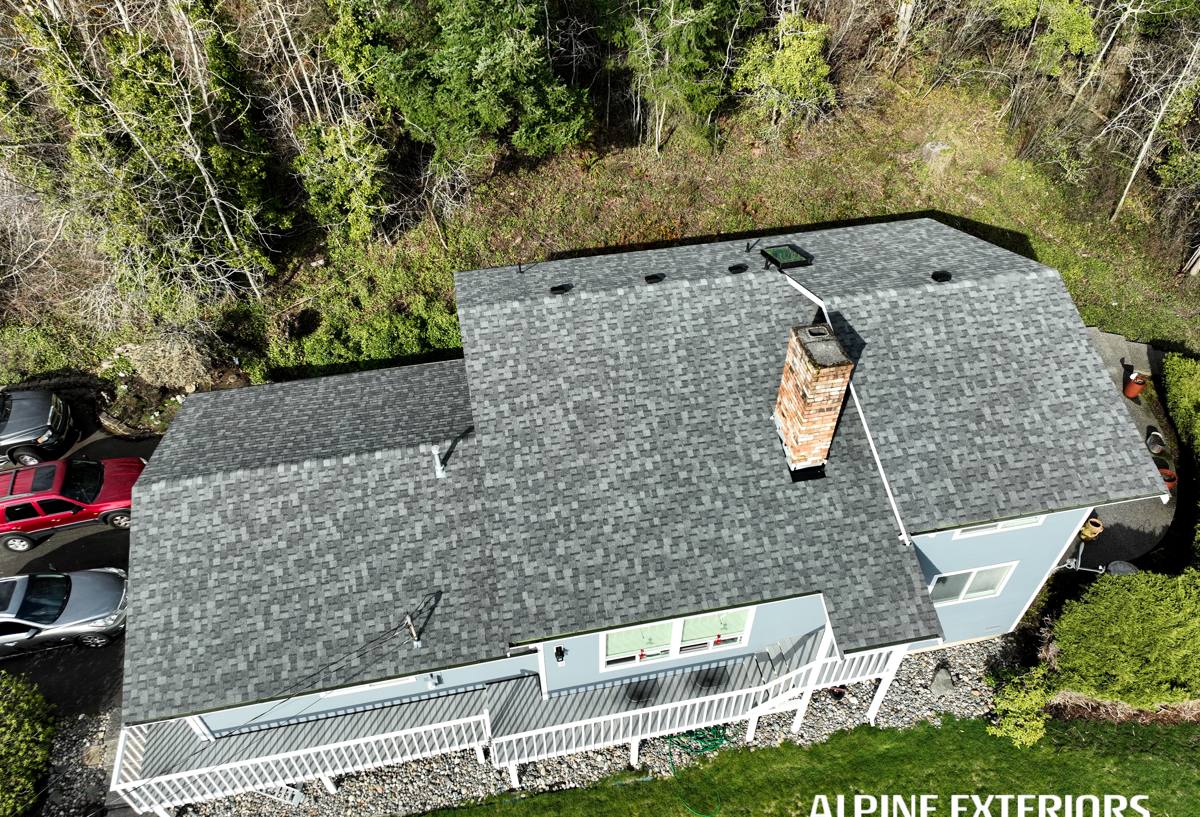
What Fairhaven's Location Actually Does to a Deck
Salt Air and Hardware
Salt-laden air doesn't need direct ocean spray to do damage — it travels on wind and settles as a fine residue on any exposed metal. Standard galvanized fasteners, the kind used on a lot of production-built decks, are rated for general outdoor exposure but not for sustained coastal air. Over a few seasons they can develop surface rust, and once a fastener starts corroding it weakens at exactly the point where it's doing structural work — holding a joist to a ledger, or a post base to a footing.
Driving Rain and the Ledger Connection
Bellingham's rain doesn't always fall straight down. When it comes in sideways off the water, it drives water into any gap where a deck ledger meets the house — the single most common failure point on decks in this region. If that connection isn't flashed correctly, water gets behind the band board and into the wall framing, and by the time it's visible as staining or soft siding, the damage has usually been happening for a while.
Moss, Algae, and a Long Wet Season
Fairhaven's mix of tree cover and marine humidity means a long moss season — surfaces that stay damp and shaded can grow moss and algae for much of the year, not just in winter. On a deck, that's not just cosmetic. Moss holds moisture against the board surface, and on wood decking that moisture accelerates rot in exactly the spots where boards overlap joists or butt against each other.
Choosing the Right Decking Material for This Site
There isn't one universally "correct" decking material — the right choice depends on how much maintenance an owner actually wants to do, budget, and how much shade the site gets. Here's how the common options compare for a shaded, marine-influenced lot like a typical Fairhaven property:
| Material | Moss/algae resistance | Maintenance | Typical lifespan | Relative cost |
|---|---|---|---|---|
| Pressure-treated fir/pine | Low — porous surface holds moisture | Annual cleaning + refinishing | 10–15 years | Lowest |
| Cedar | Moderate — naturally rot-resistant but still needs care | Cleaning + sealing every 1–2 years | 15–20 years | Moderate |
| Capped composite | High — solid cap sheds surface moisture | Periodic washing, no sealing | 25+ years | Higher |
| PVC decking | Highest — non-porous surface | Occasional washing | 25–30+ years | Highest |
Our default recommendation for shaded, close-to-the-water sites is capped composite or PVC decking, not because wood is a bad product, but because a solid-cap board simply doesn't absorb the moisture that feeds moss growth. If a homeowner wants the look and feel of real wood and is willing to keep up with cleaning and sealing on a schedule, cedar is a reasonable choice — we just make sure that trade-off is understood up front rather than discovered three years in.
The Structural Details That Actually Determine Lifespan
The decking surface is what people see, but the parts that determine whether a deck lasts are underneath it and around its connection points.
Ledger Flashing
We install metal flashing with a self-adhering waterproof membrane behind it at the ledger-to-house connection, lapped so water is directed out and away from the wall assembly rather than trapped against it. This is the single detail most responsible for preventing hidden rot damage to the house itself.
Joist Protection
Joist tape over the top of each joist keeps standing water out of screw penetrations, which is where rot typically starts on an otherwise sound frame — the screw hole becomes a wick that draws moisture into the joist.
Fasteners and Hardware
For a site this close to Bellingham Bay, we use stainless steel or high-grade coated fasteners and structural hardware rated for coastal/corrosive exposure rather than standard galvanized product. It costs more up front and it's not visible once the deck is finished, but it's the difference between hardware that's still sound in fifteen years and hardware that's rusting through in five.
Footings and Post Bases
Whatcom County's soil holds moisture well into the dry months in shaded lots, so footings need to be sized and set to local frost depth and drainage conditions, with post bases that hold the post above the concrete surface so wood never sits in standing water.
Our Deck Building Process
- Site visit and assessment — we look at drainage, sun/shade exposure, existing structure (if replacing a deck), and how close the site is to salt air influence.
- Design and material selection — layout, decking material, railing style, and any built-in features, sized to the house and how the space will actually be used.
- Permitting — we handle the permit application and inspection scheduling with the City of Bellingham (or Whatcom County, depending on the exact parcel).
- Demolition (if replacing an existing deck) — removal and disposal, with a check of the ledger area and framing underneath for hidden damage.
- Footings and framing — footings set to code depth, ledger flashed and sealed, joists and beams installed with corrosion-resistant hardware.
- Decking, railing, and stairs — installed per manufacturer spec (critical for maintaining any material warranty).
- Final inspection and walkthrough — city/county sign-off, then we walk the finished deck with the homeowner.
Permits and Code in Bellingham
Most new decks and many deck replacements in Bellingham require a building permit, and inspections happen at set points — typically footings/framing before decking goes down, and a final inspection once the structure is complete. Requirements can differ slightly depending on whether a property falls under City of Bellingham or unincorporated Whatcom County jurisdiction, deck height above grade, and proximity to property lines. We pull permits as part of the job rather than leaving that step to the homeowner, and we build to the inspection points rather than trying to retrofit compliance after the fact.
Maintaining a Deck Through Whatcom County's Wet Season
Even a well-built deck needs some seasonal attention, especially with the moss and algae growth common on shaded Fairhaven lots. A simple annual routine goes a long way:
- Sweep debris (needles, leaves, seed pods) off the surface regularly through fall — trapped debris holds moisture against the boards
- Rinse or wash the surface at least once a year to remove early moss and algae growth before it establishes
- Check that gaps between boards stay clear so water can drain through rather than pooling
- Inspect railings and stair connections annually for movement — a sign fasteners may need attention
- For wood decking, re-seal or refinish on the schedule the product calls for, typically every 1–2 years
- Trim back overhanging branches where possible to reduce shade and speed drying after rain
- Check the ledger flashing area yearly for any staining on the siding above it, which can indicate a flashing issue
Why Hire a Crew That Already Works Fairhaven
A deck built to a spec sheet written for inland, drier conditions is a different product than one built for a shaded lot near Bellingham Bay, even if they look identical on the day they're finished. Knowing which fastener grade actually holds up, where moss tends to establish first, and how the local permitting process works isn't something that shows up in a generic estimate — it comes from having built and maintained decks in this specific area long enough to see what fails and why. That's the difference between a deck that needs real attention in five years and one that's still solid in twenty.
If you're planning a new deck or need to replace one that's showing its age, we're happy to come take a look and talk through what your specific site needs — no pressure, no obligation. Use the form below to request a free estimate.