 Bellingham
 Siding Built for Where Puget Homes Actually Sit
Homes in the Puget area live close to the water, and that proximity shapes everything about how siding should be chosen and installed here. Salt-laden air off the Sound, wind-driven rain that hits walls sideways instead of falling straight down, and a moss season that can stretch for months all put steady pressure on exterior cladding. A siding job that would hold up fine in a drier inland climate can fail years early out here if it isn't matched to these conditions.
This page is about one thing specifically: siding installation for homes in Puget, done in a way that accounts for the marine climate instead of ignoring it. We're not going to give you a generic rundown of siding in general — we install exclusively James Hardie fiber cement, and we want to explain why that matters for a house sitting in this particular stretch of Whatcom County.
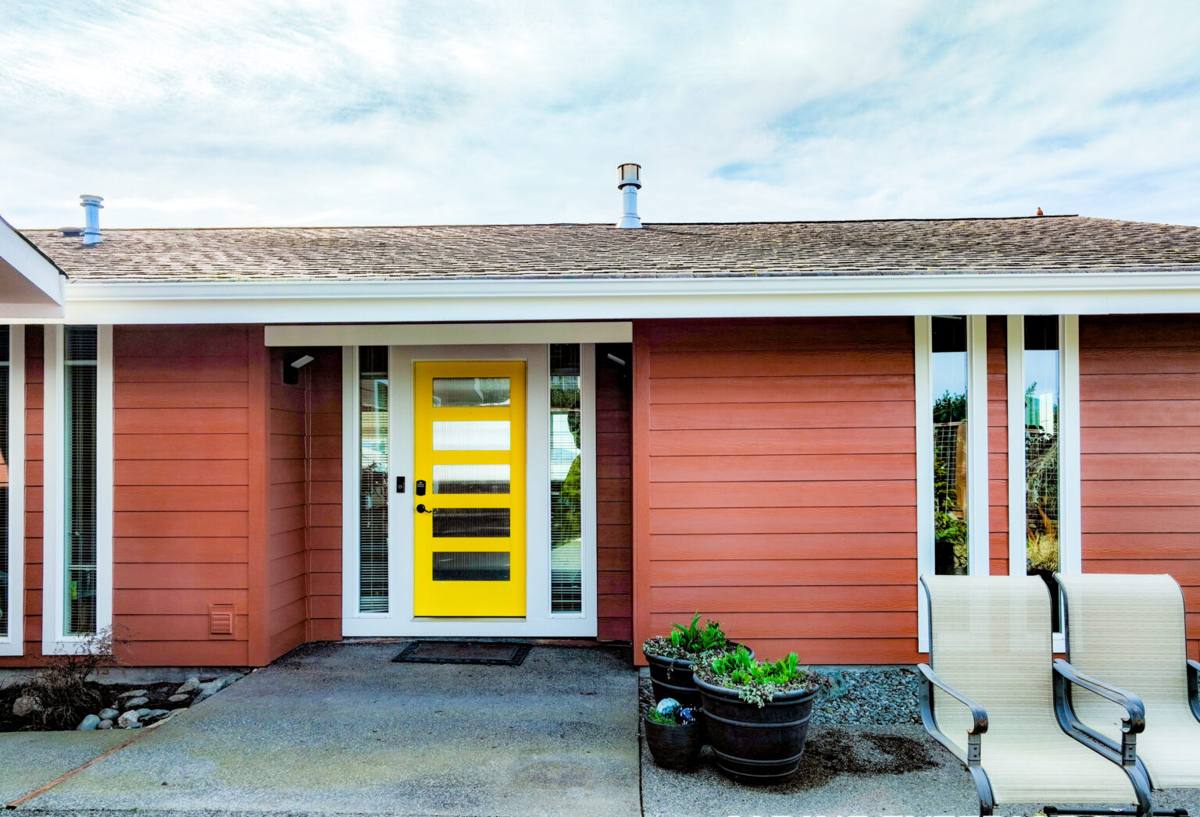
What the Marine Climate Does to Siding Over Time
Every siding material reacts differently to sustained moisture and salt exposure. Understanding the specific stresses at play helps explain why installation details that seem minor elsewhere are non-negotiable here.
Salt Air and Metal Components
Salt in the air accelerates corrosion on any exposed or improperly protected metal — fasteners, flashing, trim connectors. Over years, corroding fasteners can loosen siding panels or streak the finish. Material choice and fastener specification both matter more near the water than they do a few miles inland.
Driving Rain and Wall Penetration
Wind-driven rain doesn't just run down a wall, it gets pushed into laps, seams, and any gap in the water-resistive barrier. A siding system depends on more than the panels themselves — the underlying weather barrier, flashing details, and drainage plane have to work together, or moisture finds its way behind the cladding regardless of what material is on the outside.
Extended Moss and Algae Season
Cool, damp conditions for much of the year give moss, algae, and mildew a long runway to establish themselves on north-facing and shaded walls. Siding that holds moisture at the surface, or that has a finish prone to microbial growth, will show it faster here than in a drier climate. This is as much a coatings and drainage issue as it is a material issue.
Why We Install James Hardie — Not Vinyl, Not LP SmartSide, Not Cedar
We get asked regularly why we don't offer other siding products. The honest answer is that we standardized on James Hardie fiber cement because it holds up to conditions like Puget's better than the alternatives, and we'd rather install one product correctly and stand behind it than offer several and hedge our recommendations.
- Vinyl is affordable and low-maintenance in mild climates, but it can warp under heat and become brittle in sustained cold, and it's not fire-resistant — a real consideration in a region with wildfire smoke seasons.
- LP SmartSide and other engineered wood products perform reasonably when the finish stays intact, but any breach in that coating exposes wood substrate to moisture, and our long wet season doesn't give damaged spots much chance to dry out.
- Cedar and primed spruce look great new, but they demand ongoing refinishing, are vulnerable to moisture and insect damage, and are combustible.
James Hardie fiber cement is non-combustible, dimensionally stable in wet-dry cycling, and comes with a factory-applied ColorPlus finish that's engineered to resist fading and hold up under UV and moisture exposure without the homeowner needing to repaint on a strict schedule. It's not the cheapest option on day one, but it's the one we're willing to put our name behind on homes exposed to salt air and driving rain year-round.
What Correct Installation Actually Involves
Material choice only gets a homeowner halfway there. Fiber cement siding installed poorly will still fail — moisture problems are far more often an installation defect than a product defect. On a Puget-area home, we pay particular attention to a few things that are easy to shortcut and expensive to fix later.
Weather-Resistive Barrier and Flashing
Every wall gets a continuous water-resistive barrier behind the siding, with flashing integrated at every window, door, and penetration so water is directed out and down, never trapped behind the cladding. In a driving-rain climate, this layer is doing as much work as the siding itself.
Clearances and Drainage
Hardie panels need proper clearance from grade, roof lines, decks, and other hard surfaces so water has somewhere to go and the bottom edge of the siding isn't sitting in standing moisture. We also install manufactured drainage products where wall assemblies need a clear path for incidental moisture to escape.
Fastening Specification
Fastener type, spacing, and depth all matter — over-driven or under-driven fasteners are one of the most common causes of premature siding failure. Near saltwater air, corrosion-resistant fasteners aren't optional.
Joints, Caulking, and Trim
Butt joints and trim transitions are where most water intrusion problems start. We follow manufacturer-specified gapping and sealant details rather than caulking over shortcuts, because caulk is a maintenance item, not a substitute for correct flashing.
Our Process, Start to Finish
- Walkthrough and assessment — we look at the existing siding, sheathing condition, and any signs of past moisture intrusion before quoting anything.
- Scope and product selection — we walk through Hardie's plank, panel, and shingle options and colors, and explain what fits the home and its exposure.
- Tear-off and sheathing check — old siding comes off and we inspect the sheathing underneath; any rot or damage gets addressed before new material goes up, not covered over.
- Weather barrier and flashing installation — the water-management layer goes in first and gets inspected before siding starts.
- Siding installation — panels or planks installed to manufacturer fastening and clearance specifications.
- Trim, caulking, and touch-up — finish details completed and site cleaned up.
- Final walkthrough — we review the finished job with the homeowner before calling it done.
Comparing Siding Materials for a Puget Exposure
| Material | Moisture Resistance | Fire Resistance | Maintenance | Typical Lifespan |
|---|---|---|---|---|
| James Hardie Fiber Cement | High, dimensionally stable | Non-combustible | Low — factory finish | Decades with correct install |
| Vinyl | Moderate, can warp | Low — melts/deforms | Low | Varies widely |
| LP SmartSide / Engineered Wood | Depends on coating integrity | Moderate | Moderate — recoating over time | Shorter if finish is breached |
| Cedar / Primed Spruce | Low without upkeep | Combustible | High — refinishing cycle | Shorter without ongoing care |
What Drives the Cost of a Siding Installation
Every home is different, so we won't quote a number here we can't back up, but these are the main factors that move the price on a real estimate:
| Factor | Why It Matters |
|---|---|
| Home size and wall complexity | More corners, dormers, and trim details mean more labor and material cuts. |
| Sheathing condition | Rot or water damage found during tear-off needs repair before new siding goes on. |
| Product line and profile | Plank width, panel style, and ColorPlus color selection affect material cost. |
| Existing siding removal | Full tear-off costs more than installing over a prepared surface, but it lets us inspect what's underneath. |
| Access and site conditions | Tight lots, slopes, or landscaping near the house can affect labor time. |
Signs a Puget Home's Siding Needs Attention
A quick self-check before calling anyone:
- Soft or spongy spots when you press on the siding, especially near the bottom courses
- Visible warping, cracking, or panels pulling away from the wall
- Persistent moss or dark staining that keeps returning after cleaning
- Paint that's peeling or bubbling rather than just fading
- Rising energy bills that could point to a compromised weather barrier
- Visible daylight or gaps around window and door trim
Any of these are worth a professional look before they turn into sheathing or framing repairs.
Why It Matters to Hire a Crew That Already Works This Area
Siding installation isn't identical everywhere. A crew used to drier, inland conditions can do competent work and still miss the details that matter most near the water — the flashing overlap that handles driving rain, the fastener spec that resists salt corrosion, the drainage detail that keeps moss from getting a foothold. Working regularly on homes throughout Bellingham and Whatcom County means we're applying what we've learned from this specific climate, not a generalized installation standard.
If you're weighing a siding replacement or repair on a Puget-area home, we're happy to walk the property, look at what's there now, and give you a straight assessment — no pressure, no upsell to a product we don't stand behind. Reach out for a free estimate using the form below.