 Bellingham
 Roof Repair Built for Silver Beach's Wooded, Lakeside Setting
Silver Beach sits along Lake Whatcom on Bellingham's east side, and that location shapes what a roof deals with here more than almost anything else. The neighborhood's tree cover, the humidity that sits over the water, and the steady rainfall common to Whatcom County all combine to create conditions that are harder on a roof than a typical open, sun-exposed lot. We've repaired roofs across Bellingham long enough to know that a Silver Beach roof and a roof out on a treeless stretch near Bellingham Bay can fail in different ways, even if they're the same age and the same material.
This page is specifically about roof repair — patching, fixing, and restoring an existing roof rather than tearing it off and starting over. If your roof is leaking, shedding granules, growing moss, or just past due for a real inspection, this is what we look at and how we approach the work in this part of town.
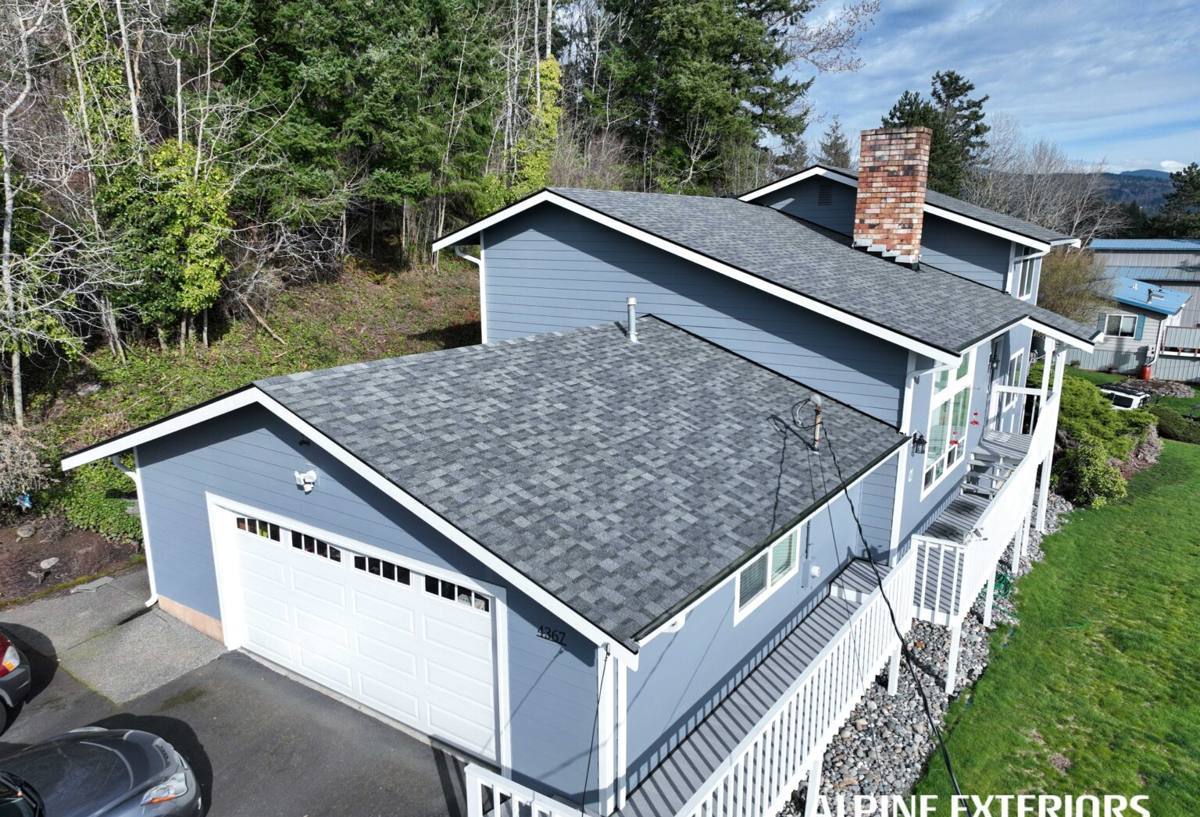
What Silver Beach's Climate Actually Does to a Roof
Lakeside neighborhoods like Silver Beach tend to have more mature tree canopy than newer subdivisions, and that shade is a mixed blessing. It keeps homes cooler in summer, but it also means roofs here dry out slower after rain. Combine that with Whatcom County's long wet season and you get the two problems we see most often on Silver Beach roofs:
- Extended moss and moisture exposure. Shaded roof sections — especially north-facing slopes and areas under overhanging branches — stay damp longer than roofs in open sun. That moisture is exactly what moss and algae need to take hold.
- Debris buildup in valleys and gutters. Needles, leaves, and small branches collect in roof valleys and behind chimneys. When that debris blocks water flow, it backs up under shingles instead of running off.
- Driving rain intrusion at penetrations. Wind off the lake can push rain sideways during storms, which finds any weak point around vent boots, flashing, and skylights faster than a straight-down rain would.
None of that is unique to Silver Beach, but the combination — heavy tree cover plus a long damp season plus lake-effect wind — shows up on these roofs in a fairly consistent pattern, and it's one we plan for.
Moss: The Slow Damage Most Owners Underestimate
Moss doesn't just look bad. As it spreads across a shingle roof, its root structure holds water against the surface and works into the granule layer and shingle edges. Over a few seasons, that constant moisture exposure ages a roof faster than sun and wind alone would. On a shaded Silver Beach lot, a roof that goes unchecked for moss can lose years of usable life compared to an identical roof on an open site that gets treated on a normal schedule.
Signs a Silver Beach Roof Needs Repair, Not Just a Cleaning
A lot of homeowners call us for moss removal and it turns into a repair conversation once we're actually up on the roof. Here's what tells us the difference:
- Water stains or discoloration on interior ceilings, especially near exterior walls or below valleys
- Shingles that are cupping, curling, or missing granules in patches
- Soft or spongy decking felt underfoot during inspection
- Daylight visible through the roof deck from inside the attic
- Rusted, lifted, or missing flashing around chimneys, skylights, and vent pipes
- Moss or algae growth thick enough that you can't see the shingle surface underneath
- Gutters that overflow during normal rain, not just heavy storms
If you're only seeing surface moss with no interior signs, that's usually a cleaning and treatment job. Once there's staining inside, soft decking, or damaged flashing, that's a repair.
What a Correct Roof Repair Actually Involves
A proper repair isn't just tarring over a leak and calling it done — that approach almost always resurfaces as a bigger problem within a season or two. Our process on a Silver Beach repair call looks like this:
1. Full Roof and Attic Inspection
We walk the roof surface and check the attic from the inside where it's safely accessible. Leaks rarely show up directly above the interior stain — water travels along rafters and decking before it drips, so tracing the actual entry point matters more than patching where the stain appears.
2. Diagnose the Root Cause
A leak is a symptom. The cause might be failed flashing, a cracked vent boot, wind-lifted shingles, ice-dam-style backup behind debris, or decking that's been wet long enough to soften. We identify the actual cause before opening anything up, because repairing the wrong spot means the leak just comes back.
3. Remove and Replace Damaged Material
Damaged shingles, underlayment, or decking gets cut out and replaced — not covered over. Rotted decking in particular has to be replaced; screwing new shingles over soft plywood just hides the problem until it's worse and more expensive.
4. Rebuild Flashing and Penetration Seals
Flashing around chimneys, skylights, and vents is one of the most common failure points on tree-covered lots, partly because falling debris and moss growth can lift or corrode it over time. We reseal or replace flashing as part of the repair, not as an afterthought.
5. Match and Blend
We use materials that match your existing roof as closely as possible so the repair doesn't stand out as an obvious patch, and so the new section performs the same as the rest of the roof.
6. Clean Up and Final Check
Debris, old material, and nails are cleared from the roof and gutters before we consider the job done. We also do a final water-flow check on valleys and gutters near the repair area, since blocked drainage is often part of what caused the original leak.
Repair vs. Replace: How We Help You Decide
Not every roof problem in Silver Beach needs a full replacement, and we don't push one when a repair will hold up. The table below is the general logic we use, though every roof gets its own honest assessment on site.
| Factor | Leans Toward Repair | Leans Toward Replacement |
|---|---|---|
| Roof age | Under roughly two-thirds of expected material lifespan | Near or past expected lifespan for the material |
| Extent of damage | Isolated to one section, valley, or penetration | Spread across multiple slopes or the whole roof |
| Decking condition | Solid, dry decking outside the repair area | Widespread soft or water-damaged decking |
| Moss/algae history | First occurrence or recently treated | Long-term untreated growth affecting granule loss broadly |
| Shingle condition elsewhere | Rest of roof still flexible, granules intact | Widespread curling, cracking, or bald patches |
We'll walk you through exactly where your roof falls on that spectrum, including photos of what we find, so the decision is yours and it's an informed one — not a sales push in either direction.
Why It Matters That We Already Work This Neighborhood
Repair work rewards familiarity. A crew that's spent time on Silver Beach roofs already has a working sense of which slopes tend to hold moisture longest given the tree cover, how lake-effect wind tends to drive rain into flashing on this side of Bellingham, and what a normal versus problematic amount of moss looks like for a lakeside lot at this point in the season. That local pattern recognition speeds up an accurate diagnosis and helps us avoid guessing.
It also matters for access and logistics. Steep driveways, mature trees close to the roofline, and lake-adjacent lots can all affect how we stage equipment and set up safely — things a crew unfamiliar with the area has to figure out on the spot instead of planning for ahead of time.
Maintenance That Extends the Life of a Silver Beach Roof
Repair and maintenance go hand in hand here, and a little consistency goes a long way given the tree cover and moisture this neighborhood deals with:
- Have moss and algae treated at the first sign of growth, not after it's covered a whole slope
- Clear gutters and valleys of needles and leaves at least twice a year, more often under heavy tree cover
- Trim back branches that overhang or touch the roof to reduce debris and abrasion
- Get flashing and penetrations checked after major windstorms off the lake
- Schedule a roof inspection every year or two, even with no visible problems, since early flashing wear rarely shows up from the ground
None of this requires a big budget or a full crew visit every time — it's mostly about catching small issues, like a lifted shingle tab or a clogged valley, before Whatcom County's wet season turns them into a leak.
What to Expect When You Call Us
We start with a straightforward inspection, tell you what we actually found — including if the answer is "this is minor, here's how to keep an eye on it" — and give you a clear scope and price range before any work starts. There's no upsell script and no pressure toward a full roof replacement when a repair is the honest answer. If your roof does need more than a patch, we'll explain exactly why, in plain terms, with photos from the inspection so you can see it yourself.
If you're dealing with a leak, heavy moss, or just want a second opinion on a roof near Silver Beach or anywhere else in Bellingham, we're happy to take a look. Reach out below for a free, no-pressure estimate.