 Bellingham
 Roofing in Birch Bay Means Roofing Against the Water
Birch Bay sits right on the water along Whatcom County's coastline, and that location shapes everything about how a roof ages there. Homes just a few blocks inland from the beach deal with a different set of stresses than homes further into Bellingham proper: salt-laden air moving in off the bay, wind-driven rain that gets pushed sideways under poorly sealed flashing, and a shaded, damp growing season that keeps moss and algae active for most of the year. A roof replacement in this area isn't just about swapping old shingles for new ones. It's about building a roof system that's specifically suited to this kind of exposure.
We work throughout Whatcom County, and Birch Bay comes with its own quirks worth understanding before you sign a contract with anyone.
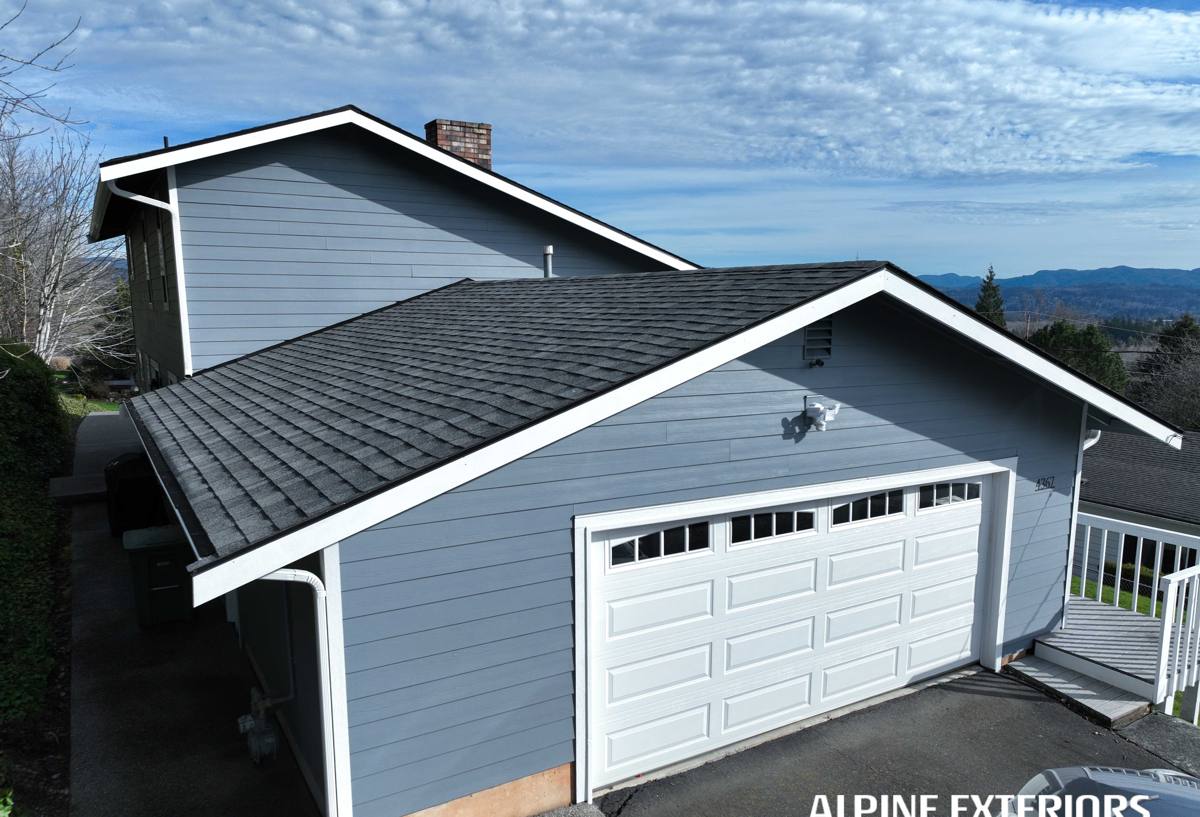
Why Coastal Exposure Wears Roofs Out Faster
Salt Air and Metal Fatigue
Salt in the air accelerates corrosion on any exposed metal — nails, flashing, drip edge, vents, and fasteners. A roof built with standard-grade metal components a few miles inland can hold up fine, but that same hardware closer to Birch Bay's shoreline corrodes noticeably faster. Over years, corroded fasteners loosen, and corroded flashing develops pinholes that let water in long before the shingles themselves show visible wear.
Driving Rain and Wind
Birch Bay catches wind off the water with little to break it up. Wind-driven rain doesn't just fall on a roof — it gets pushed under shingle tabs, around vent boots, and into any gap in the flashing that a calmer climate would never test. Roofs here need tighter seals, properly lapped underlayment, and flashing details that assume rain will hit the roof from the side, not just from above.
Moss, Algae, and a Long Damp Season
Whatcom County's marine climate keeps roofs damp for long stretches of the year, and shaded or north-facing slopes in Birch Bay often stay wet well after the rest of the roof has dried. That moisture supports moss and algae growth, which holds even more water against the roofing material, works into seams, and can lift shingle edges over time. A roof that isn't detailed to shed water quickly and dry out between storms will grow moss faster here than almost anywhere else in the region.
Signs a Birch Bay Home Actually Needs Replacement
Not every roofing problem calls for full replacement, but coastal homes tend to hit certain warning signs earlier than the rest of the county. Worth checking for:
- Moss or algae established in the granules, not just sitting on the surface — a sign it's had time to work into the material
- Rusted or corroded flashing, vent boots, or exposed fasteners, especially on the side of the roof facing the water
- Shingle edges that are curling, cupping, or missing granules in patches rather than uniformly
- Soft spots or discoloration on the interior ceiling near exterior walls, which often means water has been getting past the roofing for a while
- A roof approaching or past its expected service life, especially if it was installed with standard rather than corrosion-resistant hardware
- Daylight visible through the attic roof deck, or damp insulation when you check the attic after a storm
If you're seeing two or more of these, it's worth having someone look at the whole roof system rather than patching one spot and hoping.
What a Correct Roof Replacement Actually Involves
A roof replacement done right in a coastal environment like this isn't just new shingles laid over the old structure. It's a full system, and skipping steps here is exactly what causes early failures near the water.
Tear-Off and Deck Inspection
We remove the old roofing down to the deck rather than layering over it. That's the only way to actually see the condition of the sheathing underneath — soft, delaminated, or water-stained decking has to be identified and replaced before anything new goes down. Roofing over a compromised deck just hides the problem for another few years.
Underlayment Built for Wind-Driven Rain
Given how often rain gets pushed sideways here, we pay close attention to underlayment coverage and lap direction, with extra protection — self-adhered ice-and-water membrane — at the eaves, valleys, and any roof-to-wall transitions where wind-driven water is most likely to find a way in.
Flashing That's Actually Sealed, Not Just Present
Chimneys, skylights, roof-to-wall intersections, and vent penetrations are where most coastal roof leaks start. New step flashing, counter-flashing, and properly sealed penetrations matter more here than in a drier, calmer climate, and it's worth using corrosion-resistant metal rather than standard-grade hardware given the salt exposure.
Ventilation That Lets the Roof Dry Out
A roof that can't breathe stays damp longer after every storm, which feeds moss growth and shortens shingle life. Balanced intake and exhaust ventilation — soffit vents paired with ridge or roof vents — helps the roof deck and shingles dry out between wet spells instead of staying saturated.
Comparing Roofing Materials for This Climate
There's no single "best" roofing material for every home — it depends on your roof pitch, budget, and how much maintenance you're willing to keep up with. Here's an honest comparison for coastal Whatcom County conditions:
| Material | Coastal Performance | Maintenance | Typical Lifespan |
|---|---|---|---|
| Algae-resistant asphalt composition shingle | Good; copper- or zinc-infused granules resist algae staining better than standard shingles | Periodic moss removal recommended | 20-30 years |
| Standard asphalt composition shingle | Fair; more prone to algae staining and moss establishment over time | More frequent moss/algae treatment needed | 15-25 years |
| Metal roofing (standing seam) | Very good; sheds water fast and resists moss better due to smooth surface, but needs corrosion-resistant fasteners near the water | Low | 40-50+ years |
| Wood shake | Poor for this exposure; absorbs and holds moisture, which accelerates rot and moss growth in a damp marine climate | High | Varies widely, often shortened here |
For most Birch Bay homes, we steer people toward algae-resistant shingles or metal roofing. We tend to advise against wood shake this close to the water — not because it's a bad product everywhere, but because a material that holds moisture is working against you in a climate that's already damp most of the year.
Zinc and Copper Strips for Ongoing Moss Control
On roofs with a history of moss, we can install zinc or copper strips near the ridge. Rainwater washing over these strips carries trace metal down the roof slope, which helps suppress new moss and algae growth between cleanings. It's a low-cost addition during a replacement that pays off over the life of the roof.
Our Roof Replacement Process
- On-site inspection and estimate — we look at the whole roof system, not just the shingles, including flashing, ventilation, and the deck where accessible
- Material selection — we walk through the trade-offs above based on your budget, roof pitch, and how much moss/algae the roof has dealt with historically
- Scheduling around weather — coastal storms can move in fast, so we plan tear-off in windows that minimize how long the deck is exposed
- Tear-off and deck repair — full removal of old roofing, replacement of any compromised sheathing
- Underlayment, flashing, and ventilation installation — the details that determine whether this roof holds up to wind-driven rain
- New roofing installation — installed to manufacturer specifications, which also protects your material warranty
- Final walkthrough — we go over the finished roof and gutters with you before we consider the job done
Why Hiring a Crew That Already Works Birch Bay Matters
A roofing crew that mostly works drier, more sheltered parts of Whatcom County can still do competent work, but they may not default to the extra flashing, corrosion-resistant fasteners, or ventilation detailing that coastal exposure calls for unless they're used to building for it. A crew that regularly works Birch Bay and similar shoreline communities already knows which slopes hold moss longest, which flashing details tend to fail first under wind-driven rain, and which hardware grade is worth the upfront cost given the salt exposure.
There's also a practical side: because Birch Bay is unincorporated, permitting runs through Whatcom County rather than the City of Bellingham, and a crew that regularly pulls permits in the area already knows that process rather than learning it on your project.
What Roof Replacement Typically Costs
Costs vary based on roof size, pitch, material choice, and how much deck repair is needed once the old roofing comes off. Broadly, the biggest cost drivers are:
| Factor | Why It Affects Cost |
|---|---|
| Roof size and complexity | More valleys, dormers, and penetrations mean more flashing work and labor time |
| Material choice | Standard asphalt shingle is the most budget-friendly; algae-resistant shingle and metal cost more upfront but need less maintenance in this climate |
| Deck condition | Rotten or water-damaged sheathing found during tear-off adds material and labor beyond the base estimate |
| Ventilation and flashing upgrades | Adding or improving ridge/soffit ventilation and corrosion-resistant flashing adds cost but reduces moss and leak risk long-term |
| Roof pitch and accessibility | Steep or hard-to-access roofs take longer and require more safety setup |
We'd rather walk your specific roof and give you real numbers than throw out a broad range that doesn't reflect your home.
Keeping a New Roof Performing After Installation
A well-built roof still benefits from basic upkeep in this climate:
- Clear gutters and downspouts regularly so water has somewhere to go instead of backing up under the roof edge
- Keep overhanging branches trimmed back to reduce shade, debris, and moss establishment on the roof
- Have moss or algae growth addressed before it spreads, rather than waiting until it's visible from the street
- Schedule a periodic roof check, especially after major windstorms, to catch lifted shingles or damaged flashing early
None of this is complicated, but skipping it is how a well-installed roof loses years off its lifespan in a place like Birch Bay.
If your Birch Bay roof is showing its age or you just want an honest read on where it stands, we're happy to come take a look. Use the form below to request a free, no-pressure estimate.