 Bellingham
 Edgemoor's Roofs Work Harder Than Most
Edgemoor sits close to Bellingham Bay, which means homes here take on a combination most inland Whatcom County neighborhoods don't deal with: salt-laden air moving off the water, driving rain that comes in sideways during winter storms, and a long, damp shoulder season that lets moss and algae get a foothold on any roof that isn't shedding water and drying out properly. Add in the mature tree canopy common throughout the area, and you've got a roofing environment that's genuinely tougher on materials and fasteners than a typical suburban lot fifteen minutes east.
None of that means Edgemoor homes need exotic roofing. It means the fundamentals — decking condition, underlayment choice, ventilation, and flashing detail — matter more here, and cutting corners on any one of them shows up faster than it would in a drier climate.
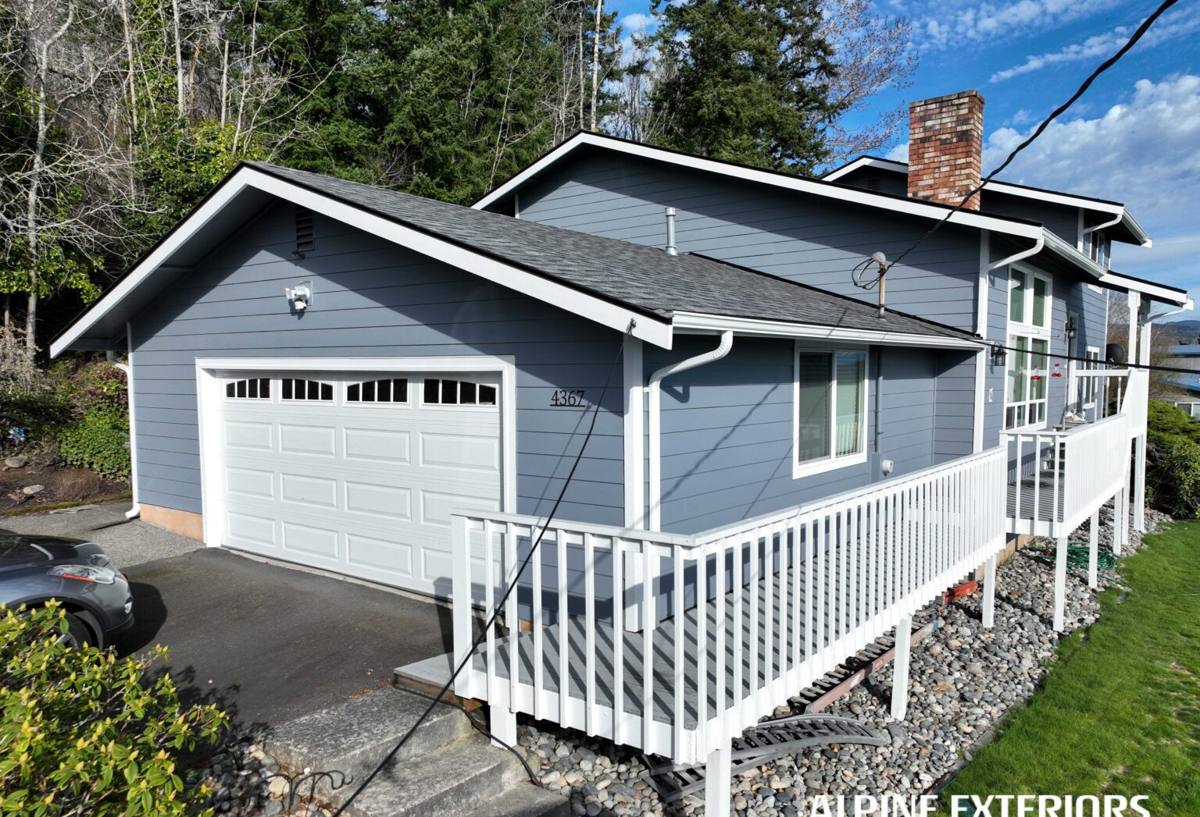
Signs Your Roof Has Moved Past Repair
Not every roof problem calls for a full replacement, and we'll tell you honestly when a repair is the right call. But there's a point where patching stops making financial sense. Common signs we look for on Edgemoor roofs include:
- Granule loss heavy enough that you can see bare asphalt or the underlying mat on multiple slopes, not just one weathered section
- Soft or spongy decking felt underfoot during inspection, especially near valleys or roof-to-wall transitions where water collects
- Persistent moss growth that returns within a season or two of cleaning, which usually points to a moisture-retention problem rather than a surface issue
- Daylight or water staining visible in the attic along the roof plane, particularly near penetrations or the ridge
- A roof already past its expected service life with multiple past repairs concentrated in the same areas
- Curling, cupping, or cracked shingles across a broad area rather than isolated storm damage
If you're seeing one or two of these, it's worth a real inspection before assuming the worst — but if several are present together, replacement is usually the more honest recommendation than another round of patching.
What a Correct Roof Replacement Actually Involves
A roof replacement isn't just stripping old shingles and nailing down new ones. In a climate like Bellingham's, the layers underneath the visible surface are what determine whether the roof performs for its full service life or starts causing problems in year five.
Decking and Structure
Once the old roofing is off, we inspect the decking for soft spots, delamination, or rot — common wherever water has been finding its way past worn shingles for a while. Any compromised sheathing gets replaced before anything new goes down. Skipping this step is one of the most common shortcuts in the trade, and it's the one that causes the most expensive problems later.
Underlayment and Water Protection
Given how much driving rain Edgemoor sees off the bay, we don't treat underlayment as an afterthought. Ice-and-water shield goes in valleys, around penetrations, and along eaves where wind-driven rain is most likely to work its way under the shingle line, with a quality synthetic underlayment across the rest of the field.
Ventilation
Proper intake and exhaust ventilation keeps the attic dry and temperature-balanced, which does two things: it extends the life of the decking and shingles from underneath, and it reduces the moisture buildup that feeds moss and mildew growth on the roof surface itself. A roof can look flawless from the street and still be failing prematurely because the attic underneath isn't breathing correctly.
Flashing and Roof-to-Wall Details
Chimneys, skylights, dormers, and the points where a roofline meets a wall are where most leaks actually originate — not in the open field of shingles. We flash these correctly with new material rather than reusing old flashing, which is a common corner-cutting move that saves an installer time but shortens the life of the whole roof.
Material Options for This Climate
There's no single "best" roofing material for Edgemoor — the right choice depends on your home's style, budget, and how much upkeep you want to take on. Here's an honest comparison of the main options we install:
| Material | Typical Lifespan | Moss/Moisture Behavior | Maintenance |
|---|---|---|---|
| Architectural asphalt shingle | 25–30 years | Good with proper ventilation and periodic cleaning | Low to moderate |
| Standing seam metal | 40–50+ years | Sheds moisture fast, very moss-resistant | Low |
| Cedar shake | 20–30 years with upkeep | Moisture-sensitive; needs consistent maintenance to avoid rot in a wet climate | High |
| Synthetic/composite shingle | 30–50 years | Good moss resistance, consistent performance | Low |
We're candid about trade-offs. Cedar shake has real visual appeal and a lot of homeowners love the look, but it demands ongoing maintenance to perform well in a climate this wet — if that upkeep gets skipped, moisture problems follow. Metal and synthetic products cost more upfront but shed water fast and hold up to moss pressure with the least intervention. Asphalt remains a solid, cost-effective choice as long as ventilation and underlayment are done right underneath it.
Our Roof Replacement Process
- Inspection and estimate — we walk the roof, check the attic, and give you a straightforward assessment of what's needed and why, in writing.
- Material selection — we go over the options above based on your home, budget, and how much maintenance you want to take on long-term.
- Tear-off and decking check — old roofing comes off, decking is inspected and repaired as needed before anything new is installed.
- Underlayment, flashing, and ventilation — the layers that actually determine roof life go in correctly, not as an afterthought.
- New roofing installation — installed to manufacturer specification, which is what keeps the material warranty valid.
- Final walkthrough — we go over the finished roof with you, clean up the site, and answer any questions before we consider the job done.
Moss and Algae: Built Into the Plan, Not an Afterthought
Whatcom County's long wet season and Edgemoor's tree cover make moss a near-constant conversation with homeowners here. The most effective defense isn't a one-time treatment — it's a roof system designed to dry out between rain events. That means correct ventilation, adequate slope drainage, and, where appropriate, zinc or copper strips near the ridge that release trace amounts of metal ions with each rain to inhibit regrowth. We'll also talk honestly about tree canopy: overhanging branches keep a roof shaded and damp longer than it needs to be, and trimming back what's practical can do as much for moss prevention as anything we install.
Timing and Weather Windows
Roof replacement can happen most of the year in Bellingham, but scheduling around Whatcom County's wetter stretches matters for both the crew's safety and the quality of the install — shingles and underlayment need to be applied to dry decking. We plan projects around realistic weather windows rather than rushing a roof onto damp sheathing to hit a deadline, and we'll be upfront with you if a stretch of forecasted rain means adjusting the schedule by a few days.
Why a Crew That Already Works Edgemoor Matters
A roofing crew that's worked this specific stretch of coastline knows what driving rain off the bay does to flashing details that would hold up fine somewhere drier. They know which slopes in this neighborhood tend to hold moss longest because of tree shade and orientation, and they don't have to relearn the local permitting and inspection process on your project's timeline. That familiarity translates into fewer surprises and a roof that's built for the conditions it will actually face, not generic conditions from a training manual.
Questions to Ask Before You Sign a Roofing Contract
- Does the estimate include decking repair as a line item or an unpriced "if needed" allowance?
- Is the underlayment and flashing plan specified in writing, not just "standard materials"?
- Will attic ventilation be assessed and addressed, or only the visible roofing surface?
- Is the contractor licensed and insured in Washington, and can they provide proof?
- Does the manufacturer warranty require certification from the installer, and is that certification current?
- What's the plan if weather delays the project mid-install?
A contractor who answers these clearly and without hesitation is generally one who does this work the right way as a matter of course, not just when someone's watching.
Get an Honest Look at Your Roof
If your Edgemoor roof is showing its age or you just want a straight answer about whether repair or replacement makes more sense, we're happy to take a look. The estimate is free, there's no pressure attached to it, and we'll tell you what we'd actually do if it were our own roof. Use the form below to get started.