 Bellingham
 Silver Beach Sits Right Where Weather Meets Water
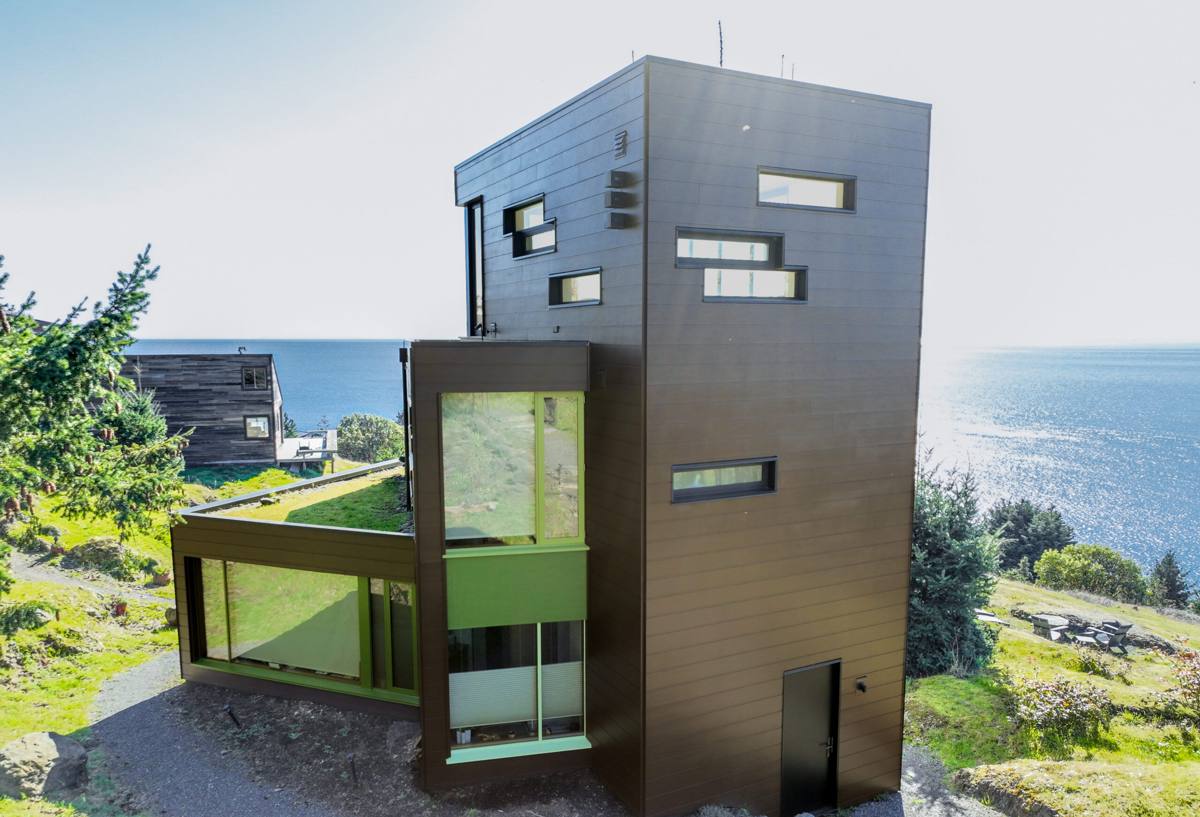
Silver Beach is one of the more exposed residential pockets in the Bellingham area, sitting close to Bellingham Bay where salt-laden air, wind-driven rain, and long stretches of shade and dampness all combine against a home's exterior. Whatcom County's marine climate is hard enough on siding as it is — Silver Beach gets a concentrated version of it. Homes here face onshore moisture, extended periods without direct sun on north- and west-facing walls, and the kind of driving rain that pushes water sideways into seams and laps rather than just down the face of the wall.
That combination matters when you're deciding what to put back on the house. Salt air accelerates corrosion on fasteners and trim hardware. Persistent dampness feeds the moss and algae growth that Whatcom County homeowners fight every year. And any siding product with a weak point at the seams, the butt joints, or the bottom edge will find that weak point tested here faster than it would in a drier inland neighborhood.
How Silver Beach's Climate Shows Up on Siding
Salt Air and Metal Fatigue
Proximity to the bay means airborne salt settles on exterior surfaces, including nail heads, flashing, and any exposed metal trim. Over years, that accelerates corrosion in ways homeowners farther inland don't have to think about as much. Siding materials and fasteners that aren't rated for coastal exposure show rust streaking and premature wear sooner here.
Driving Rain and Wind-Loaded Walls
Wind off the water doesn't just bring rain straight down — it pushes it laterally into siding laps, corner boards, and window trim. A siding system that relies on caulk or paint film alone to stay sealed at those joints will fail faster under that kind of load than it would in a sheltered inland yard.
Moss, Algae, and Shade
Bellingham's long wet season, combined with mature tree cover common in Silver Beach's older residential streets, keeps north-facing and shaded walls damp for extended stretches. Moss and algae take hold on any surface that stays wet and doesn't dry out quickly, and once established they hold moisture against the siding itself, extending the problem.
Signs a Silver Beach Home Needs Replacement, Not Repair
Not every siding issue means a full tear-off. But in a climate like this, it's worth knowing when repair stops being the honest answer.
- Soft or spongy spots when you press on the siding, especially near the bottom courses or under windows
- Paint that won't hold — repeated peeling or bubbling within a couple of years of repainting
- Visible gaps at butt joints or corners that have widened or separated
- Persistent moss or algae staining that returns within months of cleaning
- Warping, buckling, or cupped boards, particularly on walls facing the water or prevailing wind
- Interior signs — musty smell, staining on interior walls near exterior corners, or unexplained humidity in a room
Any one of these can sometimes be spot-repaired. Several at once, or any sign of moisture behind the siding rather than just on its surface, usually means the water-resistive barrier and structural sheathing underneath need a look — and that's a replacement conversation, not a patch job.
What a Correct Siding Replacement Actually Involves
Replacing siding well in a wet coastal neighborhood isn't just swapping old boards for new ones. The parts nobody sees are what determine whether the job holds up.
Full Tear-Off and Sheathing Inspection
We remove the old siding down to the sheathing so it can actually be inspected, not guessed at. Anywhere the old siding failed, there's a real chance the sheathing underneath took on moisture. Soft or delaminated sheathing gets replaced before anything new goes back on — covering over a compromised wall with new siding just hides the problem for a few more years.
Water-Resistive Barrier and Flashing
A new weather-resistive barrier goes on correctly lapped, and flashing at windows, doors, and any wall penetration is installed to shed water downward and outward — never trapping it. In a location like Silver Beach, where wind drives rain sideways, flashing details at horizontal joints and butt seams matter more than they would on a sheltered inland lot.
Proper Fastening and Clearances
Fasteners, nailing patterns, and ground clearance all follow manufacturer specification, not shortcuts. Siding installed too close to grade, decks, or roof lines gives moisture a direct path in — a common failure point we see on homes near the water that were sided without accounting for splash-back and standing moisture.
Why We Only Install James Hardie Fiber Cement
We don't install vinyl, LP SmartSide, primed spruce, cedar, or other fiber cement brands like Cemplank or Allura. That's a deliberate standard, not a lack of options, and in a climate like Silver Beach's the reasoning holds up:
- Non-combustible: James Hardie fiber cement doesn't feed a fire the way wood-based or vinyl products can, which matters for insurance considerations and long-term peace of mind.
- Built for moisture, not just tolerant of it: Hardie's HZ5 product line is engineered specifically for wet, marine-influenced climates like the Pacific Northwest coast — dimensionally stable, resistant to swelling, and less prone to the moisture-driven warping that plagues wood composite products in damp shade.
- ColorPlus factory finish: the color is baked on at the factory under controlled conditions, holding up far better against UV and salt air than field-applied paint, which is exactly the kind of finish that tends to fail fastest in a coastal environment.
- Resists moss and algae better than wood-based sidings: fiber cement doesn't offer the organic material moss and algae feed on, which helps in Silver Beach's shaded, damp pockets — though any siding still needs the same basic cleaning routine.
- Strong transferable warranty: backed by a real manufacturer warranty that follows correct installation, giving homeowners recourse that some smaller or regional siding brands don't offer to the same degree.
None of this means other products are worthless — vinyl is inexpensive, wood has genuine appeal, and other fiber cement brands have their own merits. It means that after weighing installation sensitivity, long-term moisture performance, and warranty support, James Hardie is the one product system we're willing to put our name behind on every home we side, including the ones sitting closest to the water.
Our Siding Replacement Process for Silver Beach Homes
| Step | What Happens | Why It Matters Here |
|---|---|---|
| Site walk & assessment | We inspect current siding, trim, and any visible moisture damage | Identifies problem areas specific to sun/shade and wind exposure on your lot |
| Tear-off | Old siding removed down to sheathing | Lets us actually see what salt air and rain have done underneath |
| Sheathing repair | Any soft or damaged sheathing replaced | Prevents new siding from going over a compromised wall |
| WRB & flashing install | New water-resistive barrier and flashing at all penetrations | Directs wind-driven rain away from the wall assembly |
| Hardie installation | Fiber cement siding installed to manufacturer spec | Correct nailing, clearances, and joint treatment for coastal exposure |
| Trim & final detail | Corner boards, trim, and caulking finished | Closes off entry points where wind-driven rain concentrates |
| Final walkthrough | Review with homeowner | Confirms the work and answers maintenance questions before we leave |
Cost Factors for Siding Replacement in Silver Beach
Every home is different, and we won't quote a number without seeing your walls, but these are the factors that most often move the price up or down on a job like this:
| Factor | Why It Affects Cost |
|---|---|
| Sheathing condition | Hidden moisture damage found during tear-off adds repair scope |
| Home size and wall complexity | More corners, dormers, and trim detail mean more labor |
| Current siding type | Some materials are more labor-intensive to remove and dispose of than others |
| Access and site conditions | Waterfront lots, slopes, or tight setbacks can affect staging and scaffolding needs |
| Trim and accessory scope | Replacing window trim, corner boards, and fascia alongside siding changes total cost |
Why a Crew That Already Works Silver Beach Matters
Siding installation isn't one-size-fits-all across Whatcom County. A crew that primarily works drier, more sheltered inland neighborhoods can install siding to code and still get outperformed by the weather in a location like Silver Beach if they don't adjust flashing details, fastener choices, and clearance decisions for the added moisture and salt exposure. Knowing this stretch of coastline — how the wind typically drives rain, which orientations stay damp longest, where moss tends to establish first — changes how a job gets sequenced and detailed, not just what material goes up.
It also means fewer surprises during the estimate. A crew that's replaced siding on homes near the bay before can usually spot the early signs of moisture intrusion or sheathing damage during the initial walk, rather than discovering them mid-tear-off.
Caring for Your New Siding After Installation
James Hardie siding is low-maintenance compared to wood or repainted composite products, but "low-maintenance" isn't "no-maintenance" — especially this close to the water.
- Rinse siding annually with a garden hose to remove salt residue and airborne debris
- Keep gutters clear so overflow doesn't run down the wall face
- Trim back vegetation and tree limbs that shade walls and slow drying
- Address any moss or algae growth promptly with a gentle wash rather than pressure washing directly at joints
- Inspect caulking at trim and penetrations every couple of years and have gaps resealed
- Watch for any soft spots or staining after major storms and have them checked early
If you're seeing signs of wear on your current siding, or you're simply due for a replacement and want it done right the first time, we're happy to come take a look at your Silver Beach home and walk you through what we find. The estimate is free, there's no pressure to commit, and you'll get a straight answer about what your walls actually need.