 Bellingham
 Storm Damage Roof Repair Built for Silver Beach Homes
Silver Beach is one of the older, established neighborhoods in Bellingham, and that means a lot of roofs here have already been through several rounds of Pacific Northwest weather — wind events off the water, long stretches of driving rain, and the kind of persistent dampness that keeps moss growing nearly year-round. When a storm knocks loose shingles, lifts flashing, or drives water under a roof edge, the fix has to account for all of that history, not just patch the spot that's visibly damaged.
We work storm damage calls throughout Whatcom County, and Silver Beach comes up regularly because of its mix of mature tree cover, older roof systems, and exposure to the wind patterns that move through the Bellingham area during fall and winter storms. A roof repair here that only addresses the surface problem tends to fail again within a season or two. A repair that accounts for the local climate holds up.
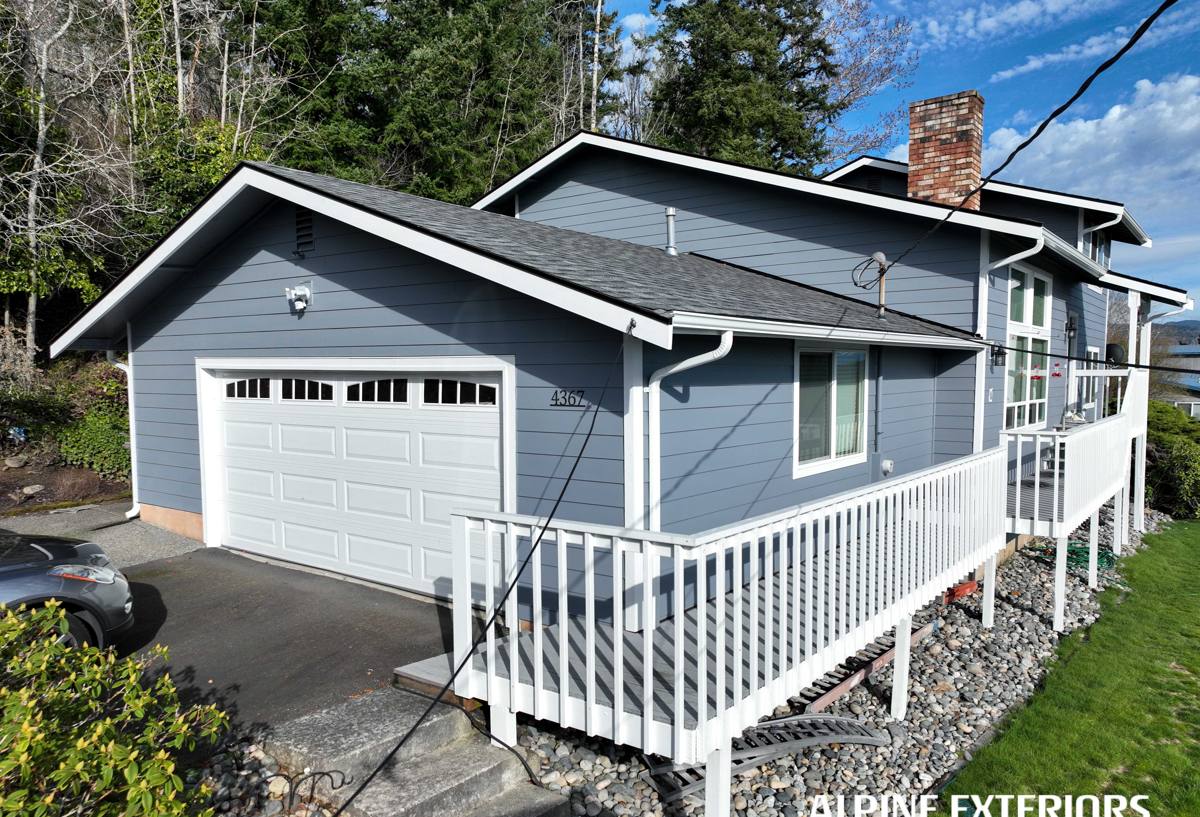
What Bellingham Storms Actually Do to a Roof
Whatcom County doesn't usually get the dramatic hail or tornado damage you'd see in other parts of the country. Our storm damage is slower and more cumulative, which is part of why it gets missed until it's a real problem.
Wind and Driving Rain
Strong wind gusts off the Salish Sea and through the lowlands around Bellingham don't just rip shingles off — more often they lift a shingle's edge just enough to break the seal without fully detaching it. Combined with rain that comes in sideways during a windstorm, that lifted edge becomes an entry point for water. The roof can look intact from the ground and still be actively leaking into the deck.
Salt Air and Corrosion
Bellingham sits on Bellingham Bay, and salt-laden air moves inland across Whatcom County more than most homeowners realize. It accelerates corrosion on exposed metal — flashing, fasteners, gutter hardware, vent caps. A storm that pries up a piece of flashing that's already corroded from years of salt exposure will fail faster and more completely than the same event on a roof with fresh, properly rated metal.
The Long Moss Season
Between the marine climate and the tree canopy common in older Bellingham neighborhoods, moss has a long growing window here — realistically most of the year with only a short dry break in summer. Moss holds moisture against the roofing material, works into shingle edges and butt joints, and adds weight. When a storm hits a roof that already has moss buildup, the damage is usually worse because the roof was already compromised before the wind and rain showed up.
Signs of Storm Damage You Shouldn't Wait On
Some storm damage is obvious. A lot of it isn't, especially from the ground. After any significant wind or rain event, it's worth checking for the following:
- Shingles that look curled, cracked, or slightly out of alignment compared to the surrounding roof
- Granules collecting in gutters or at the base of downspouts
- Bent, lifted, or missing flashing around chimneys, vents, and roof valleys
- Water stains or damp spots on interior ceilings, especially near exterior walls
- Sagging or soft spots when walking the attic (never the roof itself) after a storm
- Debris — branches, needles, moss clumps — pooled in valleys instead of draining off
- Daylight visible through the roof deck from inside the attic
- Gutters pulling away from the fascia or showing new dents and dings
None of these by themselves mean you need a full roof. But any one of them is a reason to get an actual inspection rather than waiting to see if it gets worse.
What a Correct Storm Damage Repair Actually Involves
A lot of "storm repair" work is really just cosmetic — a few replacement shingles nailed over the damaged area, done fast, without checking what's underneath. That's the kind of repair that looks fine for a season and then leaks again the next time weather hits the same spot. A correct repair works from the deck out.
Deck Inspection First
If water got under the roofing material, the deck itself may be damp or soft. Nailing new shingles over a compromised deck doesn't solve anything — it just hides the problem until it's bigger and more expensive.
Underlayment and Flashing
Storm damage often takes out more underlayment and flashing than is visible from the outside. Flashing around chimneys, skylights, and valleys is where most leaks actually originate, even when the surrounding shingles look fine. This is the part of the job that gets skipped by crews trying to move fast, and it's the part that matters most for a repair that actually lasts through the next storm.
Matching Materials
Where shingles need replacing, matching the existing material — color, profile, and where possible age-appropriate wear — keeps the repair from standing out and keeps the roof performing evenly. Mismatched patches can also create subtle water-shedding problems where old and new materials meet.
Our Storm Damage Repair Process
- Inspection and documentation. We assess the full roof, not just the obvious damage point, and document what we find — useful for your own records and for any insurance claim.
- Temporary protection if needed. If there's active water intrusion, we get the area weathertight first so the situation doesn't worsen while repair details are worked out.
- Deck and structure check. We confirm the roof deck underneath is sound before any new material goes down.
- Repair of underlayment, flashing, and roofing material. Work is done in the correct order — underlayment and flashing before shingles — so water has nowhere new to get in.
- Final walkthrough. We review the completed work with you and point out anything else worth keeping an eye on, especially if moss or drainage issues contributed to the original damage.
Repair or Replace? What Actually Decides It
Storm damage doesn't automatically mean a new roof, but it's a fair question to ask, especially on an older Silver Beach home where the roof may already be well into its service life. A few honest factors decide it:
| Factor | Leans Toward Repair | Leans Toward Replacement |
|---|---|---|
| Age of existing roof | Under 12-15 years, in otherwise good condition | Nearing or past typical lifespan for its material |
| Extent of damage | Isolated to one section, flashing, or a small shingle area | Spread across multiple slopes or repeated storm hits |
| Deck condition | Solid, dry decking under the damaged area | Soft, delaminated, or repeatedly wet decking |
| Moss and moisture history | Minor, manageable buildup | Long-term moss damage under the surface material |
| Insurance coverage | Repair covers the actual damage | Adjuster or condition supports full replacement |
We'll tell you honestly which side of that table your roof falls on. A repair that's genuinely sufficient is the right call — there's no reason to sell a Silver Beach homeowner a full roof when a proper repair will hold.
Materials and Standards We Hold To
Given the salt air, rain exposure, and moss pressure typical of this part of Whatcom County, we use flashing and fasteners rated for coastal-adjacent conditions rather than the minimum-spec hardware that corrodes early. We also pay attention to underlayment quality on repairs, not just on full roof jobs, since a repair with a thin or poorly lapped underlayment is often the reason a "fixed" roof leaks again within a year or two. Where moss has been a recurring issue, we'll flag it and talk through options — this is a maintenance and moisture conversation, not an upsell, and it's your call whether to address it now or later.
Insurance Claims and Documentation
Most storm damage repairs in Silver Beach involve a homeowner's insurance claim at some point. We document damage thoroughly at inspection — photos, notes on cause, and a clear scope of what needs to be done — so you have what you need whether you're filing a claim yourself or working with an adjuster. We're straightforward about what's storm-caused damage versus what's pre-existing wear, because that distinction matters for how a claim gets handled, and misrepresenting it doesn't do you any favors down the line.
Why a Crew That Already Works Silver Beach Matters
Roofing crews that only pass through Whatcom County occasionally don't have a feel for how the local climate actually wears down a roof over time — they're working off general storm-repair knowledge instead of what actually happens to roofs a few blocks from here. A crew that regularly works Silver Beach and the surrounding Bellingham neighborhoods knows the wind patterns that tend to cause damage, the tree cover that keeps certain roofs damp longer, and the salt-air corrosion pattern that shows up on flashing and fasteners in this area before it shows up anywhere else. That local pattern recognition is what separates a repair that gets it right the first time from one that gets revisited every storm season.
Get a Straightforward Estimate
If your Silver Beach roof took a hit in a recent storm, or you're not sure whether what you're seeing is minor wear or something that needs attention, we're happy to take a look. The estimate is free, there's no pressure to move forward, and you'll get an honest answer about what your roof actually needs. Use the form below to get started.