 Bellingham
 Ferndale Roofs Work Harder Than Most
Ferndale sits close enough to Bellingham Bay and the Strait of Georgia that salt-laden air is a real factor in how roofing materials age here, and it sits squarely in the path of the wind-driven storms that roll off the water through fall and winter. Add in a wet season that stretches for months at a time, and you have a roof that's rarely given a real chance to dry out between weather events. That combination — salt air, driving rain, and near-constant dampness — is why roofs in this part of Whatcom County tend to show wear in different ways than roofs even fifty miles inland.
Storm damage here isn't always the dramatic kind. Sometimes it's a handful of lifted shingles after a windstorm, a bruised patch of composition roofing from wind-blown debris, or a flashing seam that worked loose during a hard rain and has been quietly letting water in for weeks. By the time a stain shows up on a ceiling, the damage underneath is usually further along than the visible sign suggests.
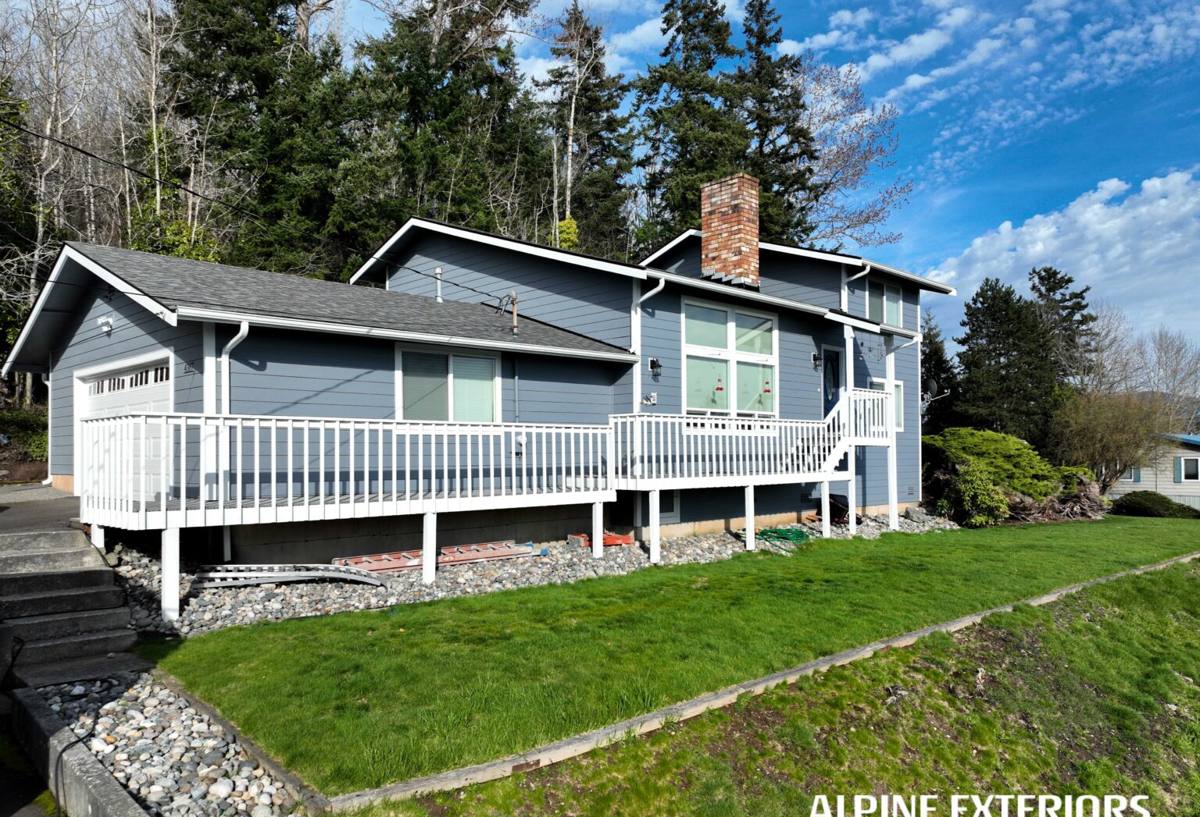
How Storms Damage Roofs in This Area
Wind
Sustained wind off the water can lift shingle tabs, loosen ridge caps, and peel back the edges of a roof where wind load concentrates. Once a shingle edge is lifted even slightly, the next rain gets underneath it, and the damage compounds fast.
Driving Rain
Rain that comes in sideways during a storm doesn't behave like rain falling straight down. It gets pushed up under shingle laps, around vent boots, and along flashing that would otherwise shed water fine. Roofs that were installed correctly for vertical rain can still leak in a wind-driven storm if flashing details weren't built with that in mind.
Debris
Branches, cones, and blown debris from nearby trees can bruise or puncture composition shingles, crack older cedar shakes, or dent metal roofing. Impact damage isn't always visible from the ground — it often takes a close inspection to find.
Moss and Prolonged Moisture
Whatcom County's long wet season keeps north-facing slopes and shaded roof sections damp for extended stretches, which is exactly what moss needs to establish itself. Moss holds moisture against the roofing material, works into shingle laps, and can lift edges over time — turning a roof that would otherwise be fine into one that's primed for a storm to finish the job.
Signs Your Ferndale Roof May Have Storm Damage
Some damage is obvious right after a storm. Other damage takes longer to notice. Here's what we tell homeowners to watch for after any significant wind or rain event:
- Shingles that look curled, cracked, creased, or are missing outright
- Granules collecting in gutters or at downspout outlets
- Soft spots or slight sagging when walking the attic or crawling the roof deck
- Water stains on ceilings or upper interior walls, especially near chimneys or valleys
- Daylight visible through the roof deck from inside the attic
- Flashing that looks bent, lifted, or pulled away from chimneys, skylights, or walls
- Moss buildup that's noticeably thicker or has spread since last season
- Debris — branches, needles, gravel from shingles — accumulating in valleys or gutters
If more than one or two of these show up at once, it's worth having someone look before the next storm system comes through.
What a Correct Storm Damage Repair Actually Involves
A Full Inspection, Not Just a Patch
The most common mistake in storm repair is treating the visible symptom without checking the surrounding area. A single missing shingle is rarely the whole story — wind that took one shingle likely stressed the ones around it too. A proper repair starts with walking the full roof plane, not just the spot that's leaking, and checking the decking underneath where damage is suspected.
Matching Materials Correctly
Repairs on an existing roof need to match not just the shingle type but the exposure, color run, and installation pattern of what's already there. A mismatched patch stands out and can also create a weak seam where old and new material meet. If your roof is older, we'll tell you honestly when a patch is a reasonable fix versus when it's a short-term answer on a roof that's nearing the end of its service life.
Flashing Gets Real Attention
Most roof leaks that follow a storm trace back to flashing, not the field shingles. Chimney flashing, valley flashing, and step flashing along walls all take the brunt of driving rain. A repair that reseals the shingles but ignores compromised flashing underneath will leak again in the next storm.
Repair vs. Replace, Decided Honestly
Not every storm-damaged roof needs to be replaced, and not every repair is enough to actually solve the problem. We evaluate the roof's age, the extent of the damage, and how much of the roof is affected before recommending either path — and we'll explain the reasoning, not just hand you a number.
Our Storm Damage Repair Process
1. Inspection and Documentation
We inspect the full roof, not just the reported problem area, and document what we find with photos. This matters both for giving you an accurate picture of the work needed and for supporting an insurance claim if you're filing one.
2. Emergency Protection When Needed
If there's active leaking or exposed decking, we prioritize getting the area weathertight — tarping, temporary flashing, or board-up work — before scheduling the permanent repair. In this climate, an exposed roof deck can take on serious water damage in a single day of driving rain.
3. A Clear, Written Scope
Before any repair work starts, you get a written explanation of what's damaged, what we're doing about it, and why. No vague line items.
4. The Repair
We replace damaged shingles and underlayment, correct or replace compromised flashing, and check ventilation and decking in the repair area. If moss contributed to the damage, we address it as part of the job rather than leaving it to recur.
5. Cleanup and Final Walkthrough
We clear debris, magnet-sweep for nails, and walk the completed repair with you so you can see exactly what was done.
Repair or Replace: What Actually Drives the Decision
Homeowners often ask us to just tell them a price without understanding what factors push a job toward a simple repair versus a larger replacement. Here's the honest breakdown of what we weigh:
| Factor | Favors Repair | Favors Replacement |
|---|---|---|
| Roof age | Under 10-12 years | Nearing or past expected lifespan |
| Extent of damage | Localized to one area or slope | Spread across multiple roof planes |
| Decking condition | Solid, no rot found | Soft spots or rot discovered during inspection |
| Moss/algae history | Minor, recently addressed | Long-term buildup affecting multiple areas |
| Material availability | Matching shingles still available | Discontinued or badly faded product |
This is a general guide, not a formula — every roof is different, and we'll walk you through where yours falls before recommending a direction.
Moss and Long-Term Roof Health
Because Whatcom County's moss season runs long, it deserves more than a mention as a storm-damage side note. A roof with established moss growth holds water against the shingle surface far longer than a clean roof does, which softens shingles, degrades granule adhesion, and creates weak points that a storm can exploit — lifting an already-compromised shingle edge instead of a sound one. Part of doing a storm repair right in this area means addressing moss where it exists, not just fixing the storm damage on top of it, or the same section of roof tends to fail again within a season or two.
Why a Crew That Already Works in Ferndale Matters
Roofing crews unfamiliar with this specific stretch of Whatcom County sometimes underestimate how much driving rain and salt air accelerate wear, or they apply repair standards suited to drier inland climates. A crew that regularly works Ferndale and the surrounding Bellingham area knows which roof details tend to fail first in this weather, shows up promptly when storm season creates a backlog of calls, and isn't guessing at appropriate materials for the exposure this area sees. Local familiarity also means fewer surprises with permitting expectations and a better sense of realistic scheduling around the wet months when roof work windows get tighter.
Working With Insurance on Storm Claims
Many storm damage repairs in this area are at least partially covered by homeowners insurance, depending on your policy and the cause of damage. We document damage thoroughly at inspection specifically because that record matters if you file a claim, and we're glad to walk an adjuster through what we found. We won't inflate a scope of work to chase a bigger payout — our documentation reflects what's actually damaged, which is what holds up under review and what actually gets your roof properly fixed.
Get a Straightforward Look at Your Roof
If a recent storm has you wondering whether your roof took damage, or you've noticed moss, missing shingles, or a stain that wasn't there before, it's worth getting a professional set of eyes on it before the next weather system moves through. We offer free, no-pressure estimates for Ferndale homeowners — use the form below to get one scheduled.