 Bellingham
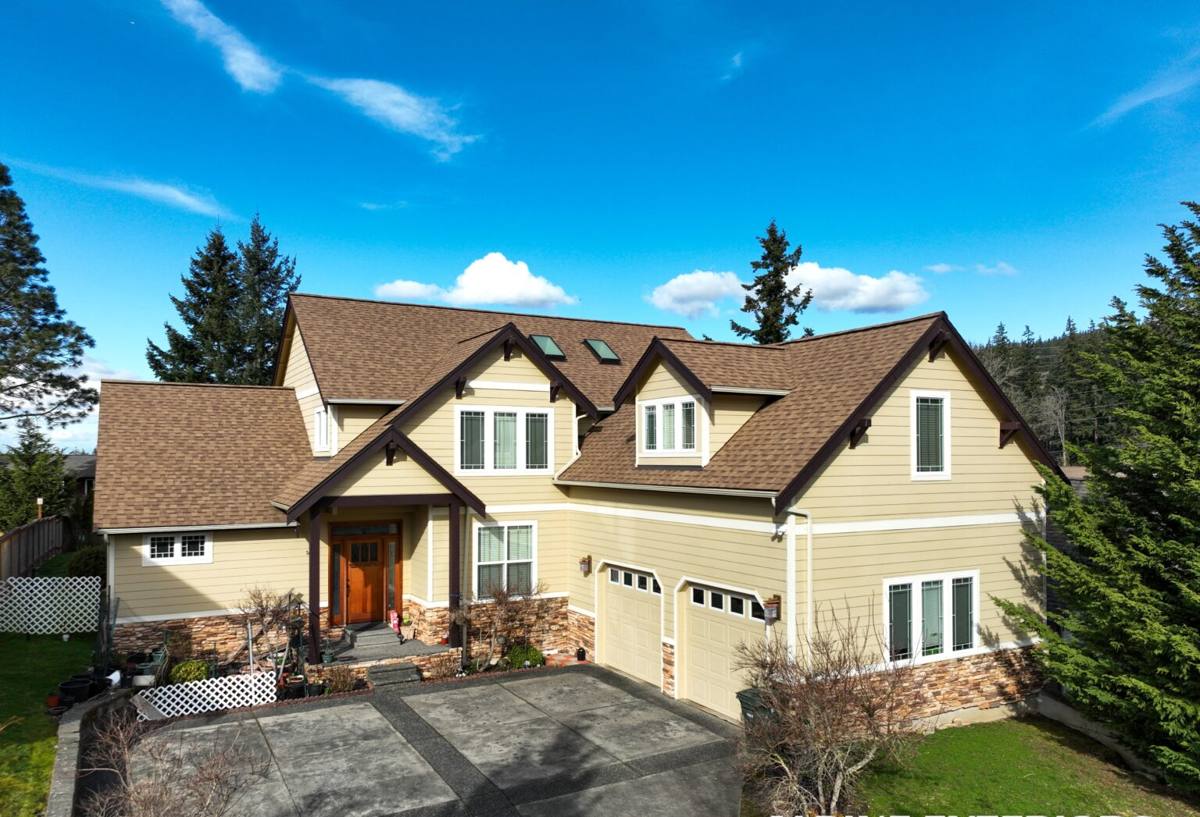
 Sudden Valley sits back from the open water and wind of Bellingham Bay, tucked into the trees along Lake Whatcom, and that setting shapes what happens to a home's windows over time. Less direct sun, more shade, more standing moisture in the air, and a longer moss season than you'd get on a more exposed lot. Homes throughout greater Bellingham and Whatcom County deal with driving rain and salt-tinged coastal air near the water, but up around the lake the bigger enemy is usually shade, humidity, and organic growth that never fully dries out. Window replacement here has to account for that difference, not just follow a generic checklist.
What Sudden Valley's Setting Does to Windows
Tree cover is the defining feature of most Sudden Valley properties, and it cuts both ways. It's part of why people love living there, but it also means windows and the trim around them stay damp longer after every rain. Direct sun that would normally dry out a sill or a frame in an hour might not reach some elevations of a house until well into the afternoon, if at all in winter.
- Wood sills and frames that stay damp develop soft spots and rot faster than the same materials on a sun-exposed lot.
- Moss and algae take hold on north-facing and shaded window trim, holding moisture against the surface long after a rain event.
- Older single- or double-pane windows fog and condense more in a shaded, humid microclimate, which shows up as persistent interior moisture on the glass or sill.
- Seasonal temperature swings between damp winters and warmer summer afternoons stress seals and caulking, especially on windows that were never properly flashed to begin with.
Signs a Sudden Valley Home Needs Window Replacement
Most homeowners don't wake up one day and decide to replace windows — it's usually a slow accumulation of small annoyances that finally add up. Here's what we look for, and what you can check yourself before calling anyone.
- Wood trim or sills that feel soft, spongy, or show dark staining when pressed with a thumb
- Persistent fogging or condensation between panes, which means the seal has failed
- Visible moss, algae, or black streaking on the frame or sill that keeps coming back after cleaning
- Drafts you can feel near the frame even with the window fully latched
- Windows that are difficult to open, close, or lock — often a sign the frame has shifted or swollen
- Noticeably higher heating bills in winter with no other explanation
- Visible gaps between the window frame and the siding or trim around it
Any one of these on its own might just mean a repair or a re-caulk. Several of them together, especially on a shaded elevation, usually mean the window and its flashing have reached the end of their useful life.
What a Correct Window Replacement Job Actually Involves
Swapping the sash for a newer, better-insulated unit is the easy part. The part that actually determines whether a window lasts is what happens at the rough opening — the flashing, the sill pan, and how the new unit ties back into your siding and weather barrier. This matters more in a shaded, damp setting like Sudden Valley than it would somewhere drier, because any water that gets behind the wall assembly has less chance to dry out before it causes damage.
The steps that actually protect the wall
- Remove the old unit carefully and inspect the rough opening for rot, mold, or prior water intrusion before anything new goes in.
- Repair or rebuild the opening if the sheathing or framing underneath has been compromised — installing a new window into a rotten opening just hides the problem.
- Install a sloped sill pan so any water that does get past the window has somewhere to drain, rather than sitting against the wood.
- Flash the opening correctly, integrating new flashing tape or membrane with the existing weather-resistive barrier in the correct shingle-lap order so water sheds outward and downward, never inward.
- Set and shim the window plumb, level, and square, then fasten per the manufacturer's instructions — an out-of-square install stresses the sash and shortens the life of the seals.
- Seal and insulate the gap between the frame and the rough opening with the appropriate low-expansion foam or backer rod and sealant, not just caulk smeared around the outside.
- Finish the exterior trim and siding tie-in so water is directed away from the opening, not trapped behind trim boards.
Skip any one of these steps and you can end up with a brand-new window that looks fine for a year or two and then starts failing at the exact same spot the old one did.
Choosing the Right Window for a Shaded, Damp Lot
There's no single "best" window material — the right choice depends on your home's exposure, your budget, and how much upkeep you want to take on. For a shaded lot near Lake Whatcom, moisture behavior and low-maintenance performance usually matter more than they would on a sunnier, more exposed property.
| Frame Material | How It Handles Shade & Moisture | Maintenance | Typical Trade-Off |
|---|---|---|---|
| Vinyl | Won't rot, doesn't feed moss or algae growth on the frame itself | Low — occasional rinse | Frame color and structural strength are more limited than fiberglass on very large openings |
| Fiberglass | Very stable in temperature swings and damp conditions, resists warping | Low | Higher upfront cost than vinyl |
| Wood-clad | Attractive interior wood look, but the exterior cladding still needs to be watched at joints and corners | Moderate to high — needs periodic inspection of cladding seams | Best reserved for elevations that get real sun exposure, where cladding can dry out between rain events |
| Aluminum | Conducts cold and tends to condense more in humid, shaded settings | Low | We generally don't recommend it for shaded Sudden Valley exposures for this reason |
We're not tied to one brand or product line, and we'll walk you through options at more than one price point. Our recommendation is based on where the window sits on your specific house, not a one-size-fits-all pitch.
Glass Packages Worth Considering
Beyond the frame, the glass package itself makes a real difference in a climate that runs damp and mild most of the year rather than extremely hot or extremely cold.
- Double-pane, low-E glass is the standard baseline for this area and handles our moderate temperature range well.
- Argon or krypton gas fill between panes adds meaningful insulation value for a relatively small cost increase.
- Warm-edge spacer systems reduce the cold edge effect that contributes to condensation on interior glass during damp winter mornings — a common complaint on shaded elevations.
- Triple-pane glass is worth discussing for north-facing rooms that stay cold and damp, though it adds cost and weight that isn't necessary on every opening.
Our Process for a Sudden Valley Window Replacement
We keep the process straightforward because window replacement is disruptive enough without added confusion about what happens when.
- On-site assessment. We look at every window you're considering replacing, check the condition of the rough openings where visible, and note which elevations are seeing the most moisture and shade exposure.
- Honest recommendation. You get a plain explanation of what's actually needed — some windows may just need better sealing or a repair, not full replacement.
- Written estimate. Clear pricing with no surprise add-ons once work begins.
- Scheduling. We coordinate timing around weather windows, since flashing and sealant work needs a reasonably dry stretch to perform correctly.
- Installation. Openings are inspected and repaired as needed, windows are flashed and set correctly, and trim is finished to shed water properly.
- Walkthrough and cleanup. We check every window operates smoothly, seals are tight, and the site is cleaned up before we call the job done.
Why Hire a Crew That Already Works Sudden Valley
Sudden Valley is a private, established community with its own character — mature tree cover, homes built across several different decades, and in many cases community guidelines that affect exterior work. A crew that's already worked in the neighborhood knows what to expect walking up to a given house: whether the shaded north side is likely to need extra attention at the sill, how older construction from different eras in the community tends to be framed, and how to work respectfully within any community guidelines that apply to exterior changes.
That familiarity saves time during the estimate and reduces surprises during installation. It also means we're not guessing about how a shaded lot near Lake Whatcom behaves differently than a property out along Bellingham Bay — we've seen both, and we build the job around the one in front of us.
What Affects the Cost of Window Replacement
Every home is different, so we won't quote a number without seeing the job, but these are the main factors that move a window replacement estimate up or down.
| Factor | Why It Matters |
|---|---|
| Number and size of windows | More openings and larger units mean more material and labor |
| Condition of the rough opening | Rot or water damage found during removal adds repair time before the new window can go in |
| Frame material chosen | Vinyl, fiberglass, and wood-clad carry different material costs |
| Glass package | Gas fill, warm-edge spacers, and triple-pane options add incremental cost |
| Access and elevation | Second-story or hard-to-reach windows take more time and equipment |
| Trim and siding tie-in | Matching or repairing exterior trim around the new unit affects finish time |
If you're weighing window replacement for a home in Sudden Valley, we're happy to come take a look and give you a straightforward, no-pressure estimate. There's a form on this page — send us a bit about your home and what you're seeing with your current windows, and we'll go from there.