 Bellingham
 Window Installation Built for Fairhaven's Marine Climate
Fairhaven sits close enough to Bellingham Bay that its homes take on a different kind of weather exposure than houses further inland. Salt-laden air off the water, wind-driven rain that comes in sideways rather than straight down, and a moss season that can run eight or nine months out of the year all put extra stress on window openings. A window that performs fine in a sheltered inland neighborhood can fail years early here if it wasn't installed with this specific exposure in mind.
This page covers what window installation actually requires in Fairhaven — not generic replacement-window marketing, but the details that matter for a home in this part of Whatcom County: how we handle water management at the opening, what materials hold up against salt air, and why the install itself matters more than the brand name on the window.
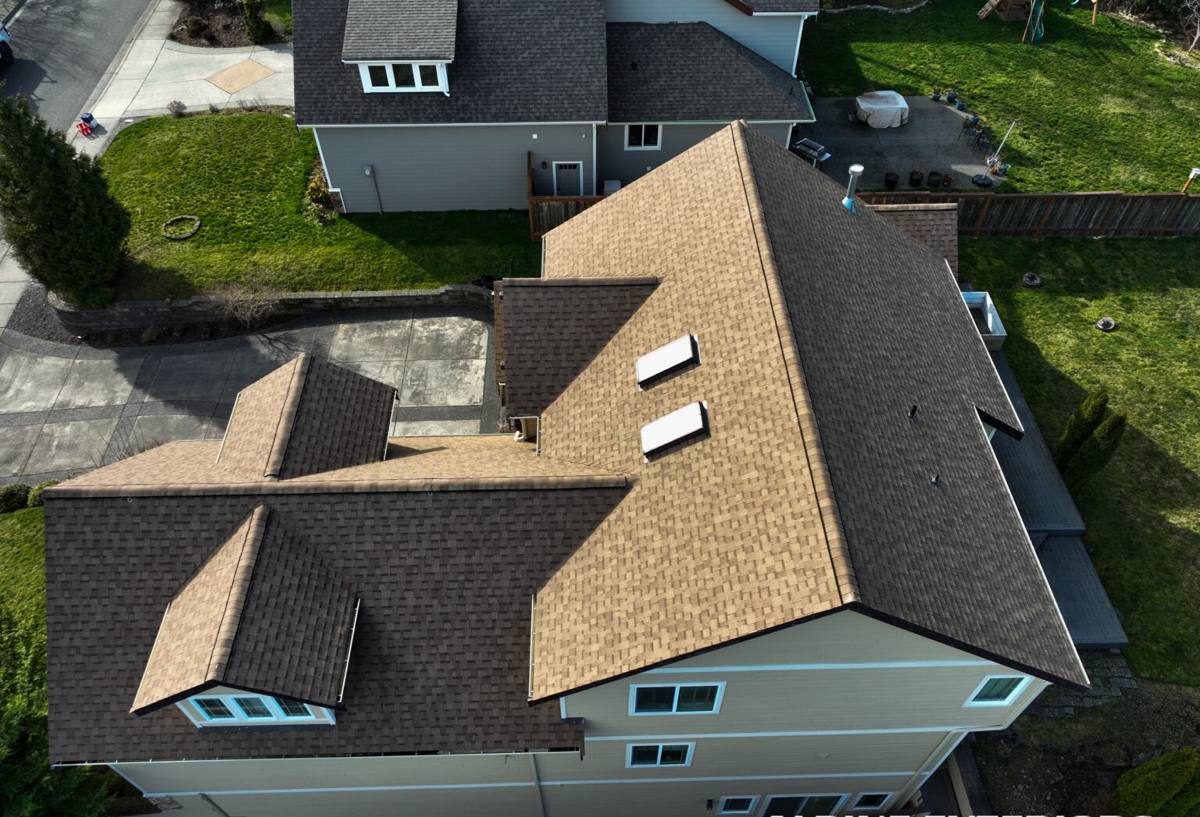
What Fairhaven's Climate Does to Windows Over Time
Salt Air and Corrosion
Airborne salt from the bay settles on everything nearby, including window hardware, screen frames, and exposed fasteners. Over years, this accelerates corrosion on lower-grade metal components — hinges get stiff, cranks on casement windows seize up, and unprotected screws can rust and stain the surrounding trim. It's a slow process, but it's steady, and it's specific to homes within a mile or two of the water.
Driving Rain and Wind-Loaded Water
Fairhaven's exposure to weather coming off the Strait means rain doesn't always fall straight down — wind pushes it sideways and up under trim, sills, and poorly lapped flashing. A window installation that relies on caulk alone to keep water out, instead of properly shingled flashing and a drainage plane, will eventually leak. The failure usually doesn't show up as an obvious drip; it shows up months or years later as soft trim, stained drywall, or a musty smell near the window.
Moss, Mildew, and Trapped Moisture
Whatcom County's long wet season keeps humidity high around window openings for much of the year. Moss and algae growth on siding and trim near windows isn't just cosmetic — it holds moisture against the wall assembly longer than bare wood or vinyl would. If a window opening isn't sealed and flashed correctly, that trapped moisture works its way into the rough opening, and by the time it's visible, there's often already rot in the framing behind it.
What a Correct Window Installation Actually Involves
The window unit itself — vinyl, fiberglass, wood-clad — gets most of the attention when homeowners shop for replacement windows. In our experience, it's the installation details around the window that determine whether it performs for twenty years or starts leaking in five. A proper install in a marine climate like Fairhaven's includes:
- Removing old material back to sound framing — not installing over rot, soft wood, or failed old flashing
- Inspecting the rough opening for water damage before anything new goes in, since this is often where the real problem is hiding
- Correctly lapped flashing at the sill, jambs, and head — installed shingle-style so water is always directed outward and down, never trapped
- A continuous weather-resistive barrier tied into the flashing so the window is integrated into the wall's drainage plane, not just caulked to the surface
- Sill pan flashing that creates a dam and slope so any water that does get past the exterior is directed back out, not into the wall cavity
- Proper shimming and fastening so the window operates smoothly and doesn't rack or bind, which stresses seals over time
- Low-expansion foam and backer rod at the interior gap for air sealing, without over-filling in a way that bows the frame
- Exterior sealant appropriate for the siding material, applied at the right joints only — sealant is a backup layer, not the primary water barrier
Skip any one of these steps and the window itself becomes almost irrelevant — even a premium unit will leak or rot prematurely if the opening around it wasn't done right.
Signs a Fairhaven Home May Need New Windows
Because moisture problems near windows tend to be gradual, homeowners often don't notice until damage has already spread into the wall. Some signs worth checking for:
- Windows that are difficult to open, close, or lock, especially after damp weather
- Visible gaps, cracked caulk, or daylight around the window frame
- Soft or discolored trim, drywall, or sill material near a window
- Persistent fogging or moisture between panes on double-glazed units — a sign the seal has failed
- Noticeable drafts even when the window is fully closed and locked
- Moss or dark staining concentrated around specific window openings rather than spread evenly across the wall
- A musty smell near a window that doesn't go away with ventilation
Any one of these on its own isn't necessarily an emergency, but a home showing two or three of them is worth a closer look before the next wet season.
Choosing Window Materials for a Marine Environment
Every frame material handles salt air, moisture, and temperature swings differently. There's no single "best" option for every home — it depends on budget, the home's style, and how much upkeep the homeowner wants to take on. Here's how the common options compare for a Fairhaven-area install:
| Frame Material | Salt Air / Moisture Resistance | Maintenance | Typical Trade-Offs |
|---|---|---|---|
| Vinyl | Good — doesn't corrode or rot | Low | Can't be repainted; performance varies a lot by manufacturer quality |
| Fiberglass | Very good — stable in temperature swings, resists moisture well | Low | Higher upfront cost than vinyl |
| Wood (unclad) | Poor without diligent upkeep in this climate | High — regular painting/sealing | Best traditional look, but the most vulnerable to Fairhaven's rain and humidity if maintenance lapses |
| Wood-clad (aluminum or vinyl exterior) | Good on the exterior face; interior still needs normal wood care | Moderate | Good look with better weather protection than bare wood, but clad seams need to be installed correctly to avoid trapping moisture |
| Aluminum | Fair — resists rot but conducts cold and can corrode without a good finish | Low | Not our default recommendation this close to salt air unless it's a marine-grade finish |
We don't push a single brand or material on every job. We'll talk through what fits the house — a craftsman bungalow near the historic district calls for a different look and budget than a newer build further up the hill — and we'll be straightforward about the maintenance commitment that comes with each option.
Our Installation Process
The steps below are the same order we follow on every window job in Fairhaven, whether it's one window or a whole-house replacement:
- On-site assessment. We look at the existing windows, the wall assembly where visible, and any signs of past water intrusion before quoting anything.
- Measure and order. Replacement windows are measured to the actual opening, not assumed from a spec sheet — older Fairhaven homes especially can have openings that have shifted slightly over the decades.
- Careful removal. Old windows and trim come out without unnecessary damage to surrounding siding or interior finishes.
- Opening inspection and repair. Any rot, soft framing, or failed old flashing found at this stage gets addressed before the new window goes in — this is the step that gets skipped by installers in a hurry, and it's the one that matters most.
- Flashing and weather barrier integration. Sill pan, jamb flashing, and head flashing installed in the correct shingled order and tied into the existing weather-resistive barrier.
- Window installation, shimming, and fastening to manufacturer specification so the unit operates correctly and isn't stressed out of square.
- Air sealing and exterior finish work — insulation at the interior gap, sealant at the appropriate exterior joints, and trim reinstalled or replaced as needed.
- Final walkthrough to check operation, sightlines, and cleanup before we consider the job done.
What Window Installation Typically Costs
Pricing depends on window size, material, glazing package, and how much repair work the opening needs once we get into it. As a rough guide for planning purposes:
| Factor | Impact on Cost |
|---|---|
| Frame material (vinyl vs. fiberglass vs. wood-clad) | Vinyl is typically the most budget-friendly; fiberglass and wood-clad run higher |
| Window size and configuration | Large picture windows or multi-panel bay/bow units cost more than a standard single or double-hung |
| Number of windows in the project | Per-window cost usually drops somewhat on larger multi-window jobs due to shared setup and labor efficiency |
| Condition of the existing opening | Hidden rot or water damage found during removal adds repair cost beyond the base install |
| Glazing package | Upgraded low-E coatings or gas fills for better insulation add to the base price |
| Trim and siding tie-in | Matching existing trim profiles or siding material adds finish labor |
We give firm, itemized quotes after seeing the actual openings — we don't quote sight-unseen over the phone, because on an older Fairhaven home, what's hiding behind the old trim can change the scope.
Why Local Installation Experience Matters Here
Window installation isn't a one-size-fits-all trade. A crew that mostly works drier, inland areas may not think twice about sill pan flashing or shingled water barriers, because the consequences of skipping them show up more slowly in that kind of climate. In Fairhaven, those shortcuts show up faster — sometimes within a single wet winter.
Working regularly in this neighborhood also means we're used to the mix of housing stock here — older homes near the historic district with original trim profiles worth preserving, and newer builds with more standard modern openings. We know what questions to ask about a home's age and construction before we ever pull a window out, and we don't treat every job like it's the same generic install.
Maintaining New Windows in Fairhaven's Climate
A correct installation is most of the battle, but a little ongoing care extends the life of any window in this environment:
- Rinse salt residue and grime off frames and hardware a couple of times a year, especially on homes closer to the water
- Check and clear weep holes on vinyl and fiberglass windows so water can drain out as designed
- Keep an eye on exterior caulk lines — sealant is a backup layer and does wear out faster in constant damp conditions than it would in a drier climate
- Trim back vegetation or moss growth that's holding moisture directly against window trim or siding
- Operate hardware periodically, even on windows you don't open often, to keep hinges and locks from seizing
None of this is complicated, but skipping it for years in a climate like this is how small issues turn into bigger ones.
If you're noticing drafts, sticking sashes, or trim damage around your windows — or you're just planning ahead for a home in Fairhaven — we're happy to take a look and walk you through honest options. The form below gets you a free, no-pressure estimate.