 Bellingham
 Window Replacement in Cordata: Why the Details Matter Here
Cordata sits far enough inland to feel a bit removed from the waterfront, but the same weather pattern that soaks the rest of Bellingham and Whatcom County still lands here every winter. Homes in this part of town see long stretches of driving rain, damp air that never fully dries out between storms, and a moss season that can run from October through April. Windows are one of the first places that combination shows up as a problem — fogged glass, soft trim, drafts around the frame, or a sash that swells shut in December and rattles loose by July.
Replacing windows here isn't just a cosmetic upgrade. Done right, it's a chance to fix moisture pathways that older windows never handled well in the first place, and to bring the opening up to a standard that actually holds up to a Pacific Northwest winter.
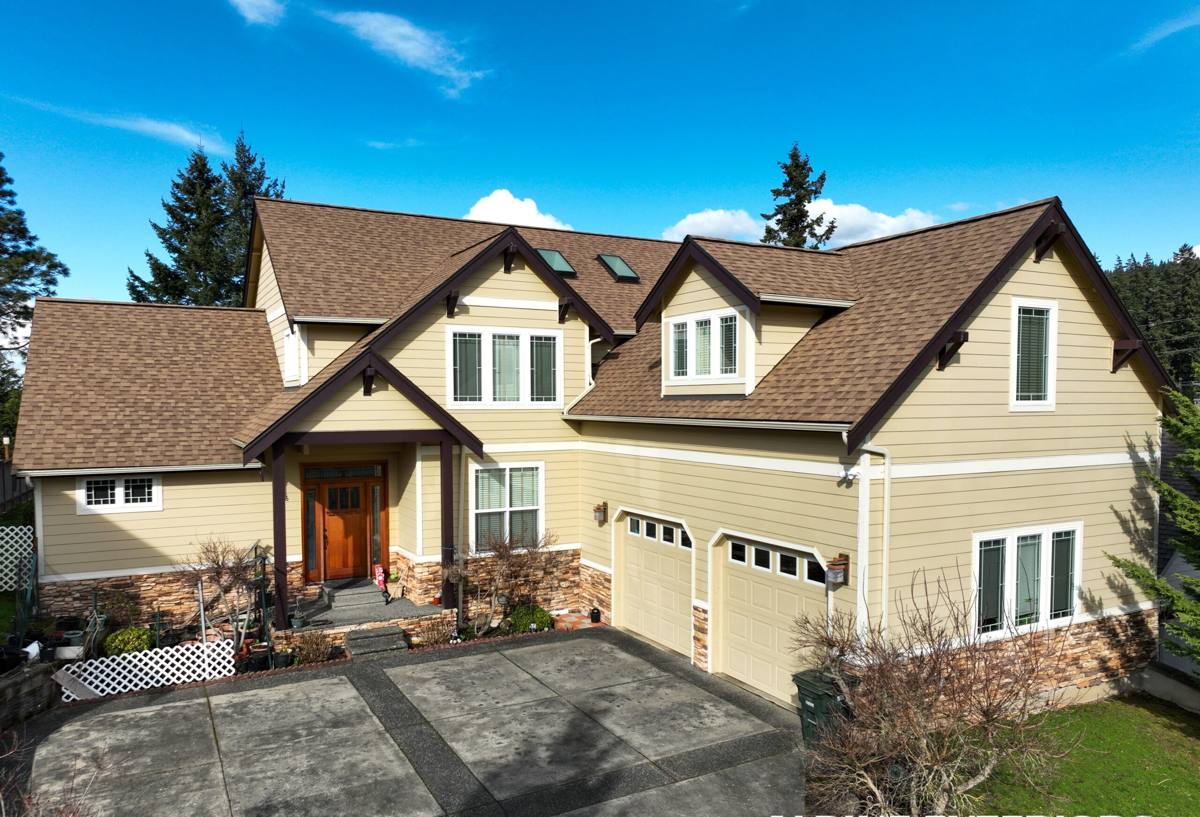
What Cordata's Climate Actually Does to Windows
Moisture Load, Not Just Rain
It's not the volume of rain that wears out windows in this area — it's how long everything stays wet. Bellingham's marine climate means humidity sits high for days at a time, and older wood or aluminum-frame windows absorb that moisture slowly through end grain, weep holes, and worn glazing. Over years, that cycle of swelling and drying is what causes sashes to warp, seals to fail, and double-pane glass to fog between the panes.
Salt Air and Metal Components
Cordata isn't right on the water, but Whatcom County's proximity to the Salish Sea means a low level of salt-laden air reaches even inland neighborhoods, especially during winter storms. That air is hard on window hardware — cranks, locks, and aluminum frames corrode faster here than they would in a drier inland climate, even when the metal looks fine at first glance.
Moss and Organic Growth
A long moss season doesn't just affect roofs. Moss and algae take hold on north-facing sills, in corner joints, and anywhere water sits without drying. Once organic growth gets into a wood sill or a compromised seal, it accelerates rot from the inside, often well before the damage shows on the surface.
Signs a Cordata Home Needs Window Replacement
- Fogging or a visible haze between panes — the seal has failed and the gas fill is gone
- Soft or spongy wood at the sill or bottom corners of the frame
- Windows that are difficult to open or close, especially after a stretch of wet weather
- Visible gaps or daylight around the frame when the window is closed
- A noticeable draft or cold spot near the window in winter
- Paint that keeps failing or bubbling on the interior or exterior trim
- Rising heating bills without another clear explanation
- Moss or dark staining collecting in the corners of the frame or sill
What a Correct Window Replacement Involves
Checking the Opening, Not Just the Window
Before any new window goes in, the rough opening needs to be inspected for hidden rot, especially at the sill and bottom corners, which are the first places moisture damage shows up in this climate. If the sheathing or framing underneath has been compromised, that gets addressed before the new window is set — installing a good window into a wet or rotten opening just hides the problem for a few more years.
Flashing and Water Management
This is the step that separates a window that lasts twenty-plus years from one that fails in five. Proper flashing directs water away from the opening and down the wall, rather than letting it collect behind the trim or siding. In a climate with as much sustained rain as Bellingham gets, flashing details at the head, jambs, and sill aren't optional extras — they're the actual weatherproofing.
Sealing and Insulation
The gap between the window frame and the rough opening needs to be sealed and insulated correctly — not overfilled with expanding foam, which can bow the frame, and not left with gaps that let in air and moisture. Backer rod and a quality sealant at the exterior perimeter, paired with proper insulation inside the cavity, is what keeps the window performing over time.
Matching the Window to the Wall
Full-frame replacement (removing the old window down to the rough opening) is usually the right call when there's any sign of moisture damage. Pocket or insert replacement, which reuses the existing frame, can work on a window that's structurally sound but just underperforming — but it only makes sense once the existing frame has been checked and confirmed dry.
Choosing the Right Window for This Climate
Frame Material Trade-Offs
| Frame Type | How It Handles Bellingham's Climate | Maintenance |
|---|---|---|
| Vinyl | Doesn't rot or corrode; performs well in sustained damp conditions | Low — occasional cleaning |
| Fiberglass | Very stable dimensionally, resists moisture and salt air well | Low |
| Wood (clad exterior) | Good insulator, but exposed wood needs consistent upkeep in this rain load | Moderate to high |
| Aluminum | Prone to condensation and corrosion in salt-influenced air unless thermally broken | Moderate |
We generally steer Cordata homeowners toward vinyl or fiberglass frames for most replacements. It's not that wood-clad windows can't work here — it's that any exposed wood component in a climate with this much sustained moisture needs more diligent upkeep than most homeowners want to commit to, and a lapse in maintenance shows up as rot faster here than in a drier region.
Glass Package
Double-pane, low-E glass with an argon fill is the baseline we'd recommend for this area — it manages both the temperature swings and the condensation risk that comes with high humidity. Triple-pane is worth considering on north- or west-facing walls that take the brunt of winter storms, though it's a cost-benefit conversation depending on the specific exposure of the home.
Our Process for Cordata Window Projects
- On-site assessment — we look at each window individually, not just the ones you've flagged as problems, since moisture damage often shows up first in windows that don't seem obviously bad yet
- Honest scope — we tell you which windows need full-frame replacement, which can be done as an insert, and which don't need to be touched yet
- Written estimate — clear pricing by window, with the flashing and sealing work spelled out, not bundled into a vague line item
- Scheduling around the weather — we plan install days with an eye on the forecast, since an open wall in a rainstorm is exactly the situation we're trying to prevent
- Installation with proper flashing and sealing — the parts of the job that don't show on the surface but determine how the window performs in year ten
- Final walkthrough — checking operation, seals, and trim before we call it done
What Affects the Cost
| Factor | Why It Matters |
|---|---|
| Full-frame vs. insert replacement | Full-frame costs more but is often necessary once there's any sign of rot at the opening |
| Number and size of windows | Larger openings and specialty shapes (bay, picture) cost more in materials and labor |
| Frame material | Vinyl is typically the most economical; fiberglass and clad-wood cost more upfront |
| Glass package | Triple-pane and specialty coatings add cost but may be worth it on exposed elevations |
| Hidden repairs | Rot found at the sill or framing during removal adds labor and material not visible during the initial estimate |
Every home is different, and we'd rather give you real numbers after seeing your windows than a generic range that doesn't hold up once we open the wall. What we can say honestly: full-frame replacement with proper flashing costs more than a quick insert job, and in this climate, that extra work is usually what keeps a window performing for decades instead of needing attention again in five or six years.
Why It Matters to Hire a Crew That Works This Area
Window replacement done to a generic standard, without accounting for the specific way moisture behaves in Whatcom County, tends to fail in the same predictable spots — usually the sill and the flashing details that don't show once the trim goes back on. A crew that regularly works in Bellingham and the surrounding neighborhoods, including Cordata, knows which elevations take the worst of the winter storms, how long moss season actually runs here, and where salt-influenced air tends to accelerate hardware wear. That local knowledge shows up in decisions you won't see on the surface — which flashing detail to use, how much drainage gap to leave, which frame material actually holds up — but that you'll feel in how the windows perform ten and twenty years down the road.
If you're noticing drafts, fogged glass, or sticky sashes on your Cordata home, we're happy to take a look and give you a straightforward, no-pressure estimate — just fill out the form below.